GIGABYTE
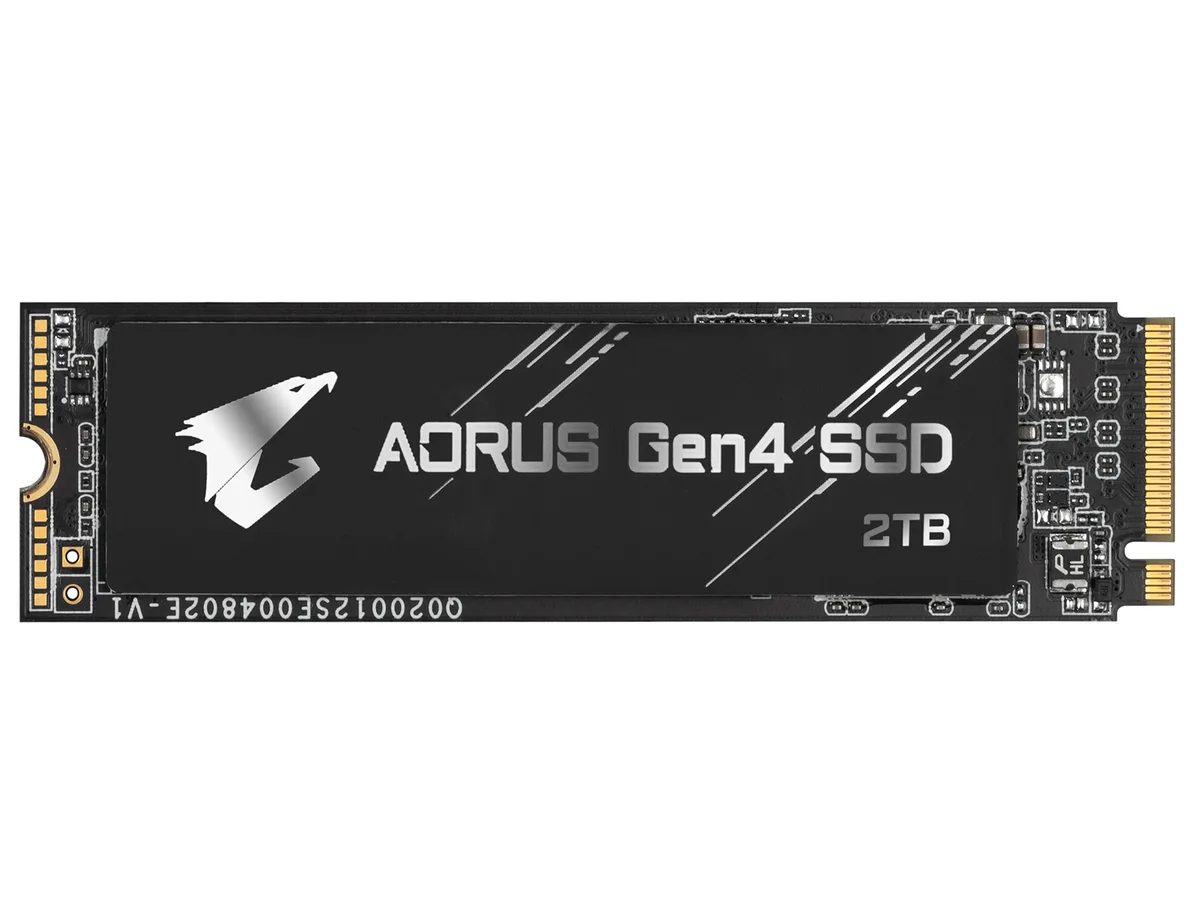
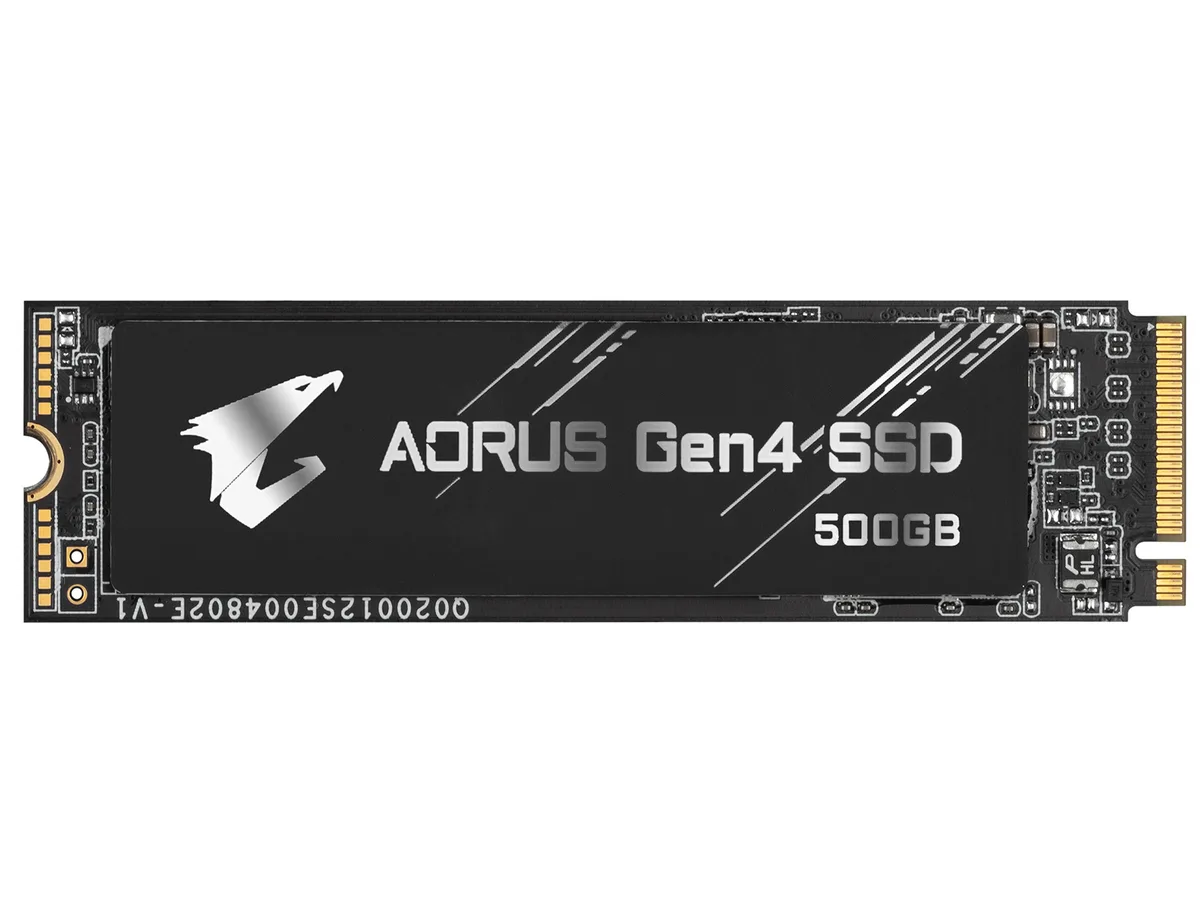
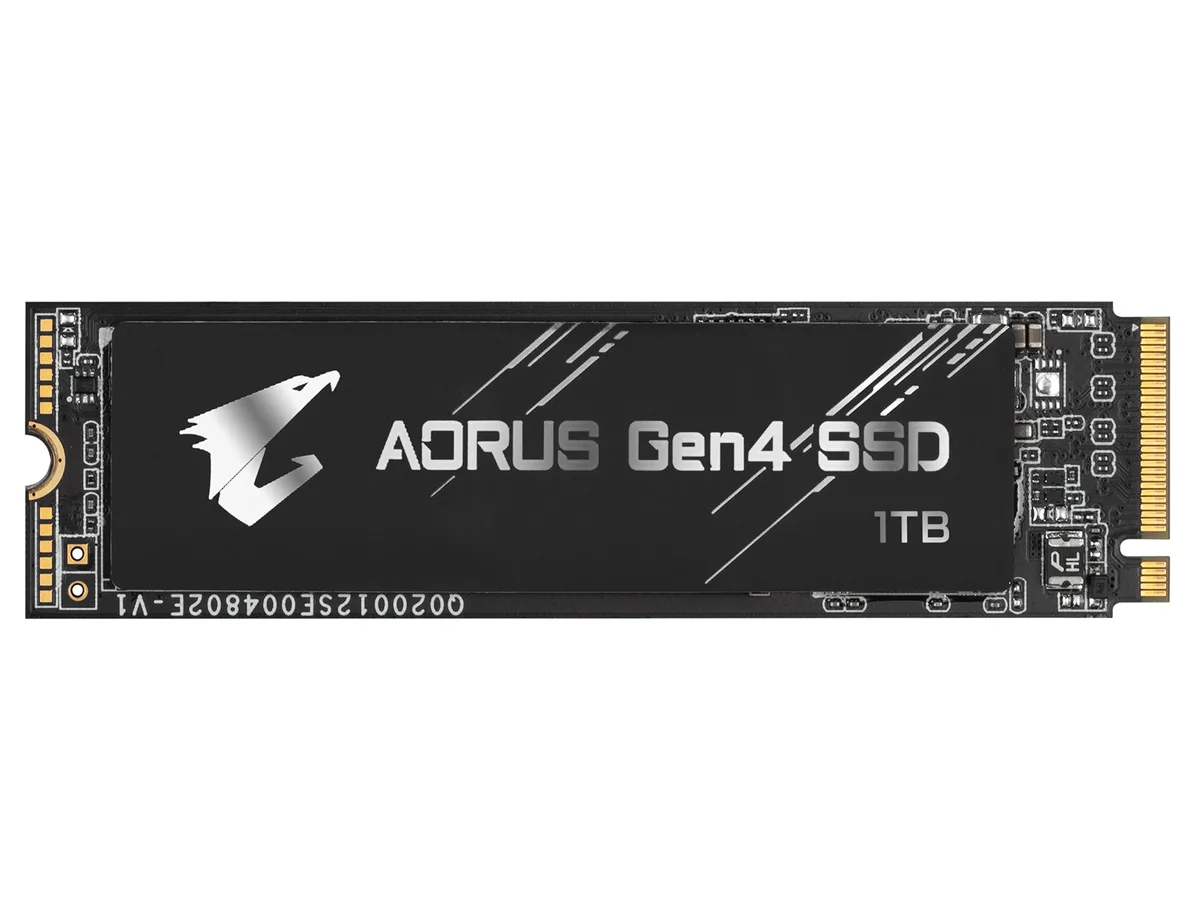
GIGABYTE AORUS Gen4 GP-AG4500G 500GB M.2 2280 internal SSD
- Internal Solid Stat…
- Consumer
75,99 USD
0.0009652BTC
Yra sandėlyjePriimame kriptovaliutą — taip monetos, kurias turite, gali nupirkti tikrą techniką.Mokėkite kriptovaliuta, išleiskite ją tikrai technikai. Nemokamas apdraustas pristatymas visame pasaulyje virš 399 $. Paprastos, be žymų siuntos dėžės, siunčiamos iš Vokietijos.Nemokamas apdraustas pristatymas virš 399 $. Jūsų kursas fiksuojamas 30 minučių, kai tik prasideda atsiskaitymas.Kursas fiksuojamas 30 minučių. Kiekvienas gaminys užplombuotas, jo serijos numeris patikrintas, ir jam taikoma 24 mėnesių garantija.Užplombuota, 24 mėnesių garantija.

GIGABYTE
1 TB M.2 2280 PCIe 4.0 x4 NVMe drive with 5000 MBps read, 4400 MBps write, Phison PS5016-E16 controller, 1 GB DDR4 cache and heatsink
The GIGABYTE GP-AG41TB is a 1TB internal solid-state drive built for consumer desktops and laptops that accept an M.2 2280 module. It connects through a PCI-Express 4.0 x4 lane running the NVMe 1.3 protocol and uses a Phison PS5016-E16 controller paired with 3D TLC NAND and a 1GB DDR4 cache.
The drive includes an integrated heatsink to manage thermals during extended transfers, while wear levelling and over-provisioning technologies help maintain consistent performance as the drive fills. Power draw at idle is 18.8 mW, and the controller's eight NAND channels with 32 CE targets are designed to keep throughput stable under heavy, continuous I/O rather than only in short bursts.
The 1800 TBW rating is the single figure that determines whether this SSD matches a workload, indicating the total terabytes that can be written over the drive's warranted life. Backed by a 1.77 million hour MTBF, this endurance level suits heavy content creation, gaming libraries and workstation tasks that write large datasets daily.
| Brand | GIGABYTE |
|---|---|
| Series | AORUS Gen4 |
| Model | GP-AG41TB |
| Device Type | Internal Solid State Drive (SSD) |
| Used For | Consumer |
| Form Factor | M.2 2280 |
| Capacity | 1TB |
| Memory Components | 3D TLC |
| Interface | PCI-Express 4.0 x4, NVMe 1.3 |
| Controller | Phison PS5016-E16 |
| Cache | DDR4 1GB |
| Max Sequential Read | Up to 5000 MBps |
| Max Sequential Write | Up to 4400 MBps |
| 4KB Random Read | Up to 750,000 IOPS |
| 4KB Random Write | Up to 700,000 IOPS |
| Terabytes Written (TBW) | 1800TB |
| MTBF | 1.77 million hours |
| HeatSink | with HeatSink |
| Features | Wear Leveling, Over-Provision technologies TRIM & S.M.A.R.T supported |
| Power Consumption (Idle) | 18.8 mW |
| Power Consumption (Active) | R: 6.6W; W: 6.4W |
| Operating Temperature | 0°C ~ +70°C |
| Storage Temperature | -40°C ~ +85°C |
| Height | 2.30mm |
| Width | 22.00mm |
| Depth | 80.00mm |
| Siuntos svoris | 0.07 kg |
| Pakuotės dydis | 130 × 76 × 32 mm |
Kiti šio modelio variantai
Ta pati šeima, bet skiriasi atmintis, aušintuvas ar dažnis — palyginkite prieš apsispręsdami.
The drive draws just 18.8 mW at idle and ships with a heatsink to dissipate heat from the Phison PS5016-E16 controller and 1 GB DDR4 cache, helping maintain low noise and steady temperatures.
It needs an M.2 2280 slot wired for PCI-Express 4.0 x4 and NVMe 1.3; the motherboard must expose four PCIe 4.0 lanes to the M.2 connector.
In a PCIe 3.0 x4 slot the drive will function but sequential reads and writes will be limited to the 3.0 bus ceiling, below the rated 5000 MBps read and 4400 MBps write.
Taip pat šiame skyriuje
Ta pati lentyna, tas pats atsiskaitymas — aštuonios monetos ir 30 minučių fiksuotas kursas.
Tai, kuo mokate, ir valiuta, kuria matote kainas.
Išsiunčiama iš Jūsų piniginės atsiskaitant
Tik rodoma — katalogo kainos nurodytos doleriais
Tokios valiutos nerasta.
Pasirinkite kalbą, kuria Jums kalbės svetainė.
Tokios kalbos nerasta.
Pirmą kartą čia?
Jau turite paskyrą?
Automatinio atstatymo nėra: ši parduotuvė nesiunčia jokių el. laiškų, todėl nėra jokios vienkartinės nuorodos, kurios būtų galima paprašyti. Palikite adresą paskyroje, ir juo bus pasirūpinta rankiniu būdu.
Prašymas užfiksuotas
Į Jūsų pašto dėžutę niekas nekeliauja — ši parduotuvė apskritai nesiunčia jokių el. laiškų. Šiuos prašymus kažkas peržiūri rankiniu būdu.
Prisiminėte?