SanDisk
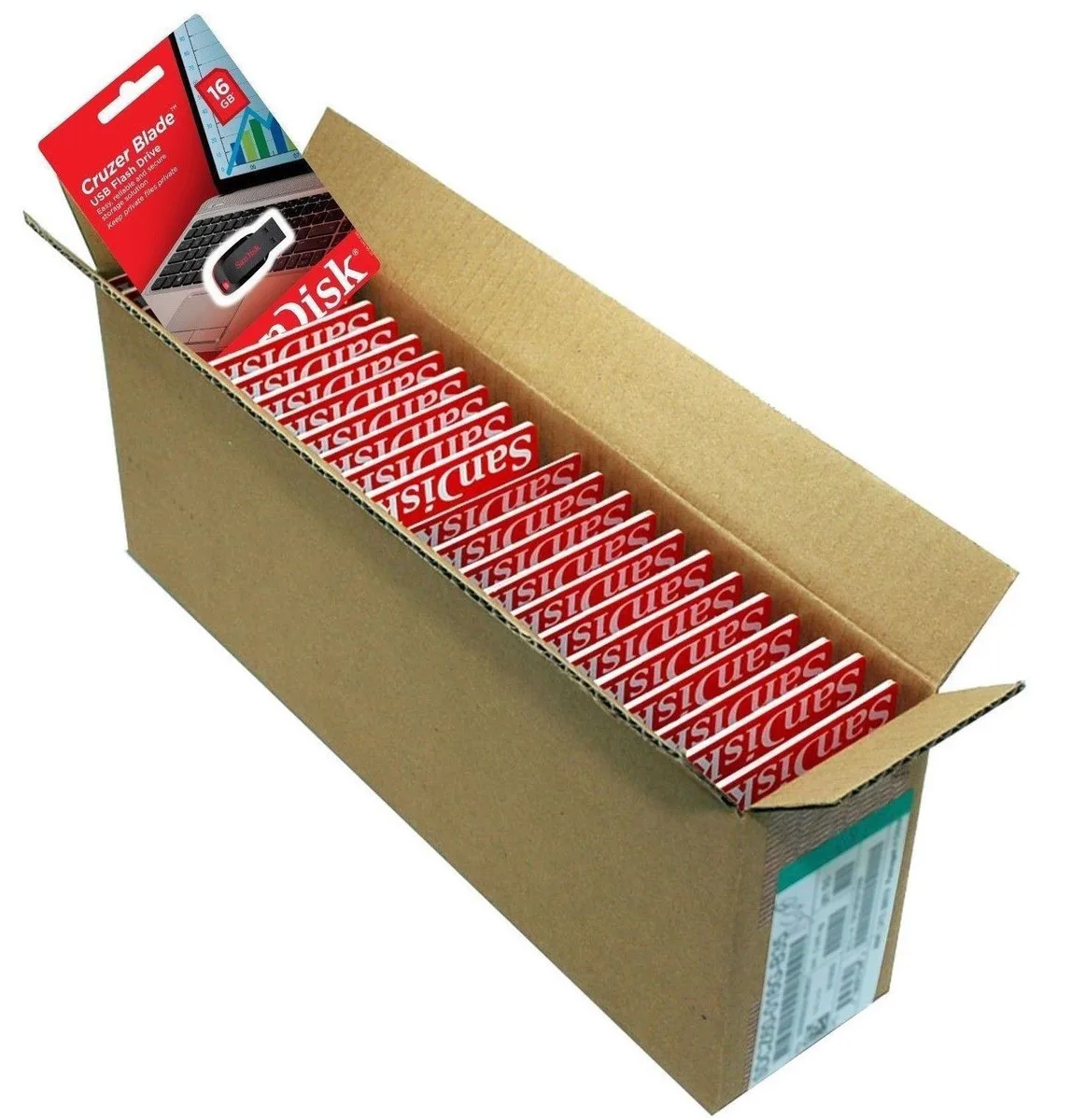
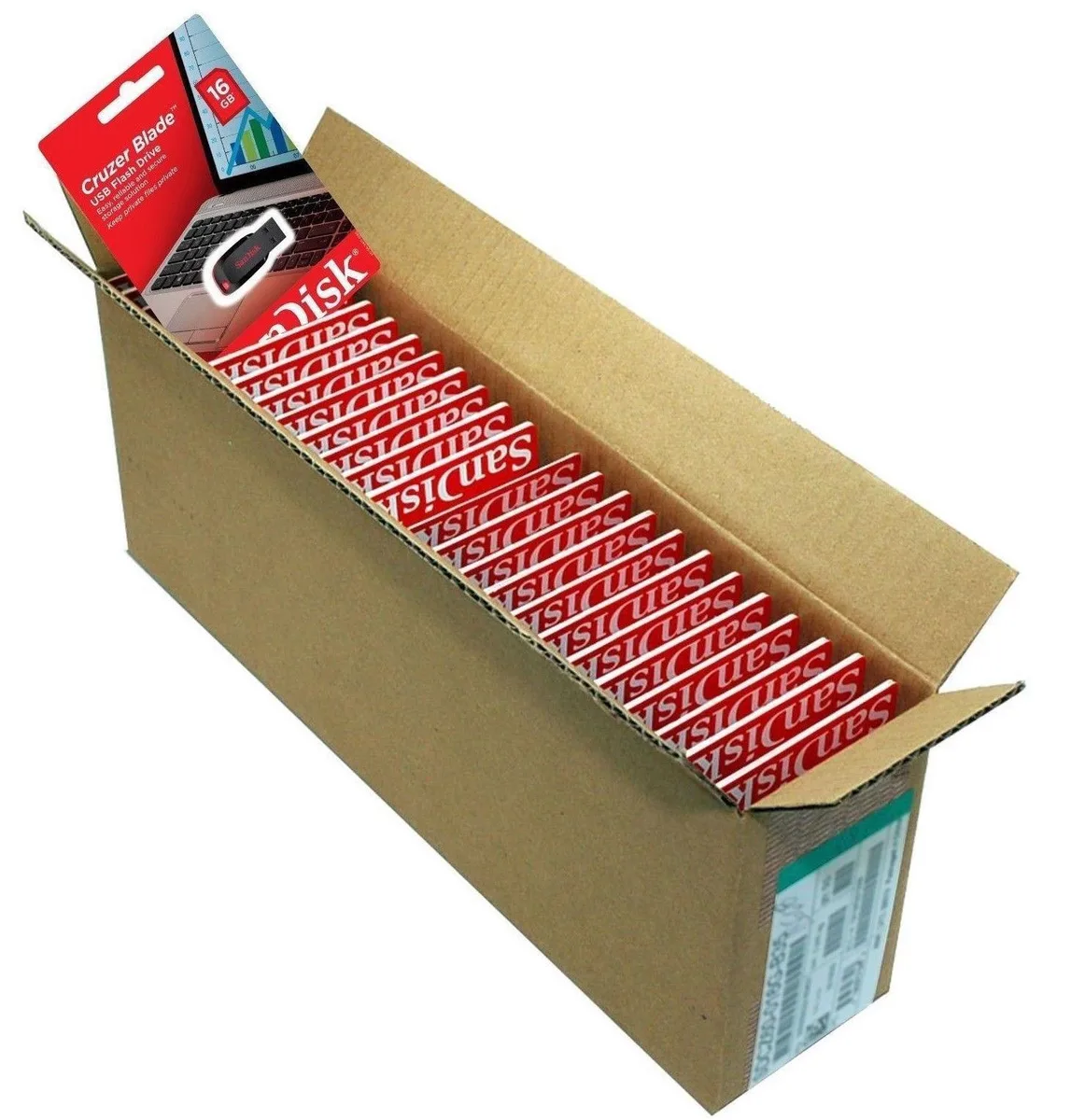
SanDisk Cruzer Blade 8 GB USB 2.0 USB flash drive Black SDCZ50-008G-B35
391,99 USD
0.00501407BTC
Yra sandėlyjePriimame kriptovaliutą — taip monetos, kurias turite, gali nupirkti tikrą techniką.Mokėkite kriptovaliuta, išleiskite ją tikrai technikai. Nemokamas apdraustas pristatymas visame pasaulyje virš 399 $. Paprastos, be žymų siuntos dėžės, siunčiamos iš Vokietijos.Nemokamas apdraustas pristatymas virš 399 $. Jūsų kursas fiksuojamas 30 minučių, kai tik prasideda atsiskaitymas.Kursas fiksuojamas 30 minučių. Kiekvienas gaminys užplombuotas, jo serijos numeris patikrintas, ir jam taikoma 24 mėnesių garantija.Užplombuota, 24 mėnesių garantija.


LORDWORLD
Compact IoT development board with dual-core 240MHz processor, 4MB flash, 2MB PSRAM, 2.4GHz Wi-Fi, Bluetooth 5, and 34 GPIO pins
The LORDWORLD ESP32-S3FH4R2 board delivers a 32-bit LX7 dual-core processor running at up to 240MHz with 2.4GHz Wi-Fi and Bluetooth 5 connectivity. It targets makers and engineers building wireless edge devices who need integrated radio and processing in a small footprint.
Castellated edges allow the module to be soldered directly onto a custom carrier board, while the onboard ceramic antenna removes the need for external RF design. A USB Type-C port provides power and serial debugging, and 34 configurable GPIO pins expose 4 SPI, 2 I2C, 3 UART, 2 I2S and 2 ADC interfaces for peripheral expansion.
Flexible clock control and independent power-domain settings let the board reduce consumption during long-running deployments. The 512KB SRAM and 384KB ROM support real-time tasks, while 4MB Flash and 2MB PSRAM store firmware and buffers without relying on external memory chips.
| Brand | LORDWORLD |
|---|
The board has no active cooling, so the Xtensa LX7 dual-core processor will throttle once its internal temperature rises under continuous 240MHz load.
With 2.4GHz Wi-Fi and Bluetooth 5 LE active, the module draws modest current from the USB Type-C supply; the ceramic antenna and castellated design keep heat low enough for enclosed projects.
A USB Type-C port on the host is required for both the integrated full-speed USB serial controller and the 5V supply rail.
Taip pat šiame skyriuje
Ta pati lentyna, tas pats atsiskaitymas — aštuonios monetos ir 30 minučių fiksuotas kursas.
Tai, kuo mokate, ir valiuta, kuria matote kainas.
Išsiunčiama iš Jūsų piniginės atsiskaitant
Tik rodoma — katalogo kainos nurodytos doleriais
Tokios valiutos nerasta.
Pasirinkite kalbą, kuria Jums kalbės svetainė.
Tokios kalbos nerasta.
Pirmą kartą čia?
Jau turite paskyrą?
Automatinio atstatymo nėra: ši parduotuvė nesiunčia jokių el. laiškų, todėl nėra jokios vienkartinės nuorodos, kurios būtų galima paprašyti. Palikite adresą paskyroje, ir juo bus pasirūpinta rankiniu būdu.
Prašymas užfiksuotas
Į Jūsų pašto dėžutę niekas nekeliauja — ši parduotuvė apskritai nesiunčia jokių el. laiškų. Šiuos prašymus kažkas peržiūri rankiniu būdu.
Prisiminėte?