SanDisk
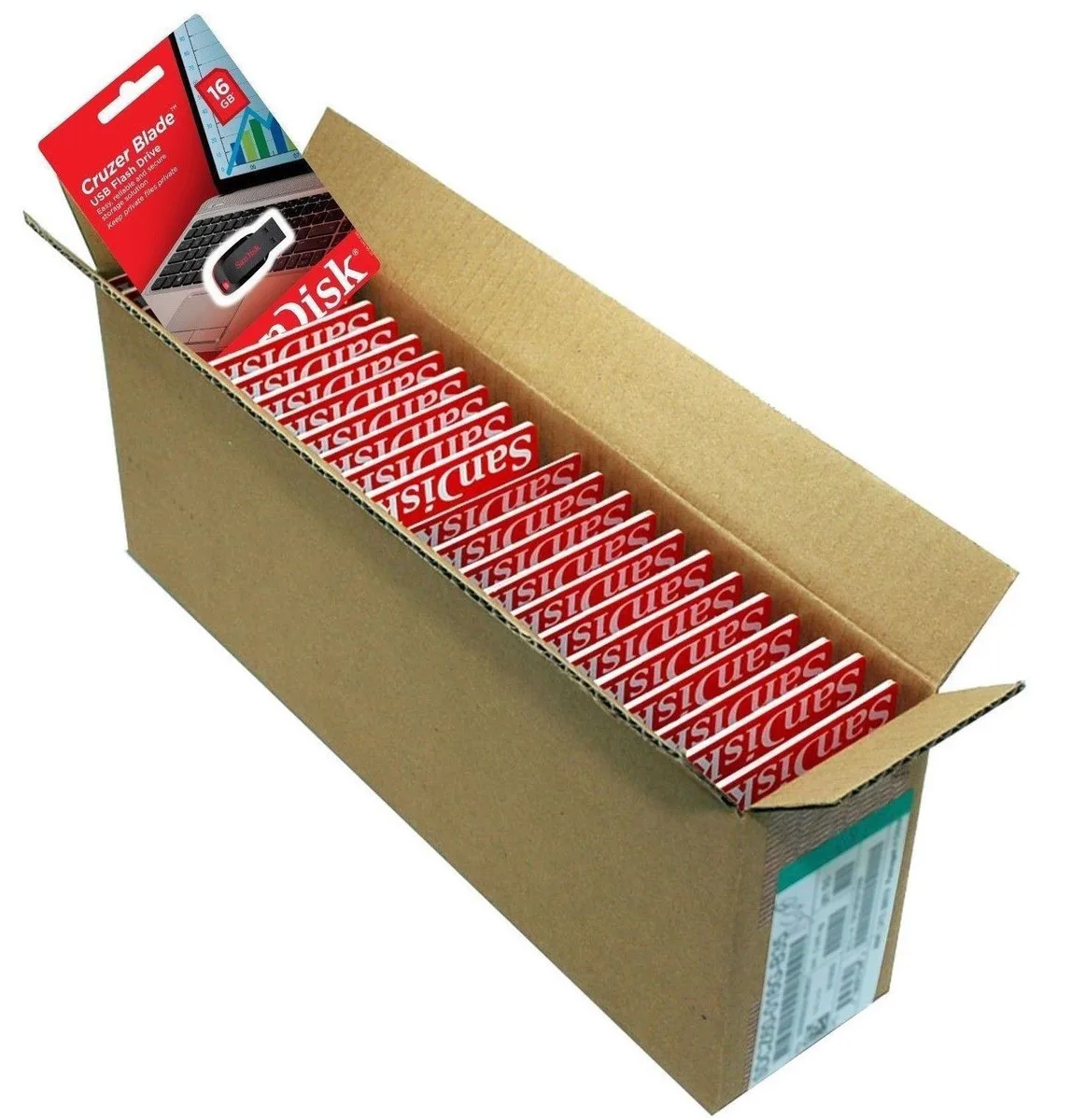
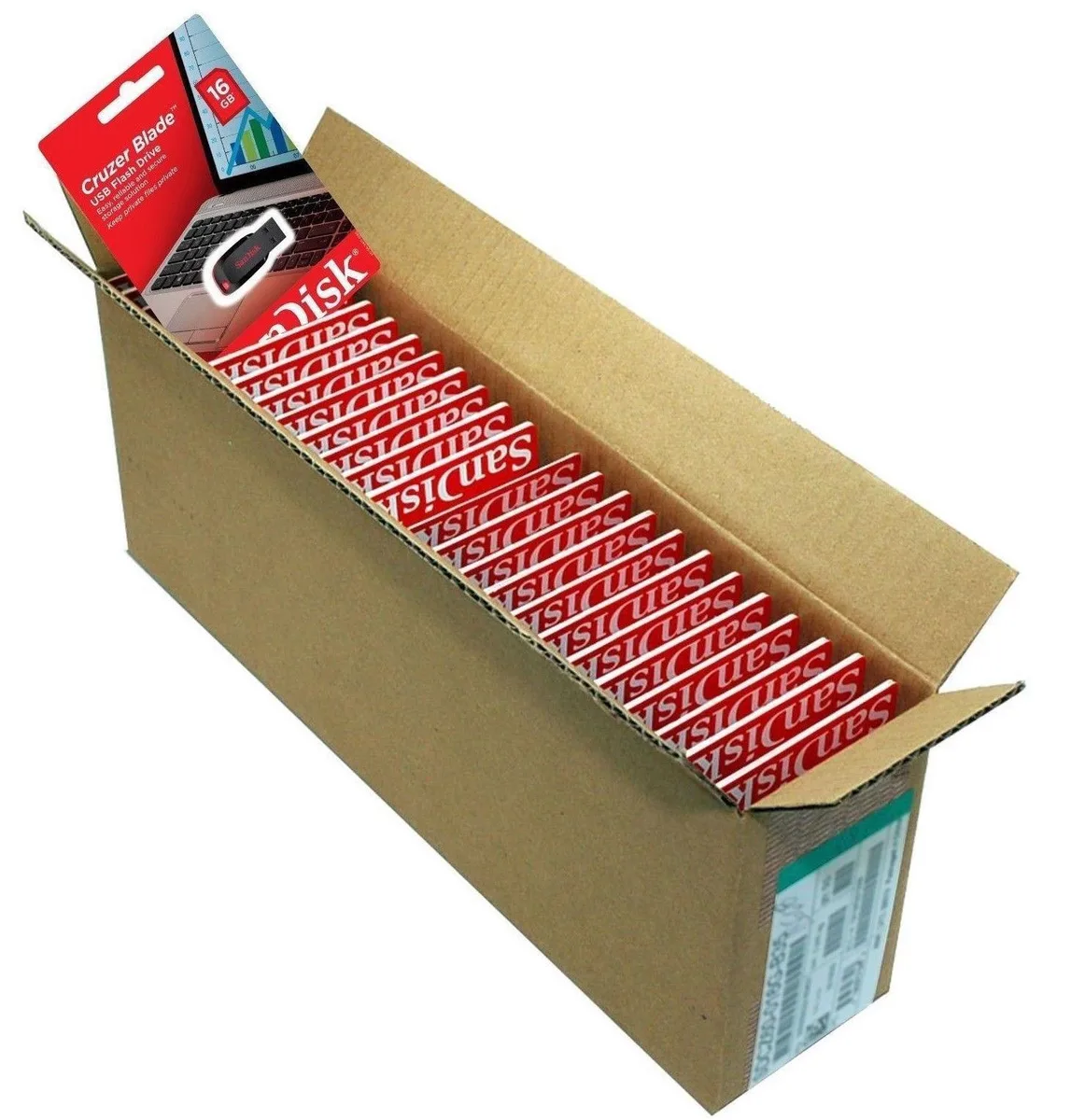
SanDisk Cruzer Blade 8 GB USB 2.0 USB flash drive Black SDCZ50-008G-B35
391,99 $
0.00501811BTC
KrājumāMēs pieņemam kriptovalūtu — lai tā, kas Jums pieder, varētu nopirkt īstu aparatūru.Maksājiet kriptovalūtā, iztērējiet to īstai aparatūrai. Bezmaksas apdrošināta piegāde visā pasaulē virs 399 $. Vienkāršas, nemarķētas kastes, sūtītas no Vācijas.Bezmaksas apdrošināta piegāde virs 399 $. Jūsu kurss tiek fiksēts uz 30 minūtēm, tiklīdz atveras kase.Kurss fiksēts uz 30 minūtēm. Katra prece ir aizzīmogota, tās sērijas numurs ir pārbaudīts, un uz to attiecas 24 mēnešu garantija.Aizzīmogots, 24 mēnešu garantija.


MCDODO
Pack of three RP2040-based development boards with USB-C, dual-core Cortex M0+ at 133 MHz, 264 KB SRAM and 2 MB flash
The MCDODO RP2040-Zero is a tiny development board built around a dual-core Arm Cortex M0+ processor running up to 133 MHz. It provides 264KB of SRAM and 2MB of on-board Flash memory. A USB-C connector and castellated edges allow direct soldering to carrier boards. It supports C/C++ and MicroPython with a complete open-source SDK.
This module suits makers who need the RP2040 core in a smaller footprint with a modern USB-C port. The jump is worth it when space is tight or when drag-and-drop mass-storage programming simplifies your workflow. Builders who need more GPIO pins or onboard peripherals should look at full-size alternatives.
The board uses USB 1.1 with device and host support, so data transfer rates are modest. Low-power sleep and dormant modes help battery-operated projects, but high-throughput streaming is not practical. The castellated design eases integration, yet the USB interface remains the main bottleneck for external communication.
| Type | Single Board Computers |
|---|
The RP2040-Zero uses castellated edges for direct soldering to a carrier board; match the module footprint and pad pitch when designing your carrier.
Hold the BOOTSEL button while plugging the USB-C cable into a host; the board appears as a mass-storage device so you can copy a UF2 file.
The 2 MB Flash is rated for typical microcontroller endurance; it does not require scheduled replacement in standard development use.
Arī šajā sadaļā
Tas pats plaukts, tā pati kase — astoņas kriptovalūtas un kursa fiksēšana uz 30 minūtēm.
Kriptovalūta, kurā maksājat, un valūta, kurā redzat cenas.
Nosūtīts no Jūsu maciņa, noformējot pasūtījumu
Tikai informatīvi — katalogā cenas norādītas ASV dolāros
Neviena valūta neatbilst.
Izvēlieties valodu, kurā vietne sarunājas ar Jums.
Neviena valoda neatbilst.
Pirmo reizi šeit?
Jau ir konts?
Automātiskas atiestatīšanas nav: šis veikals nesūta e-pastus, tāpēc nav arī vienreizējas saites, ko pieprasīt. Atstājiet adresi kontā, un tā tiks apstrādāta manuāli.
Pieprasījums saņemts
Uz Jūsu e-pastu nekas neatnāks — šis veikals vispār nesūta e-pastus. Kāds šos pieprasījumus apstrādā manuāli.
Atcerējāties?