SanDisk
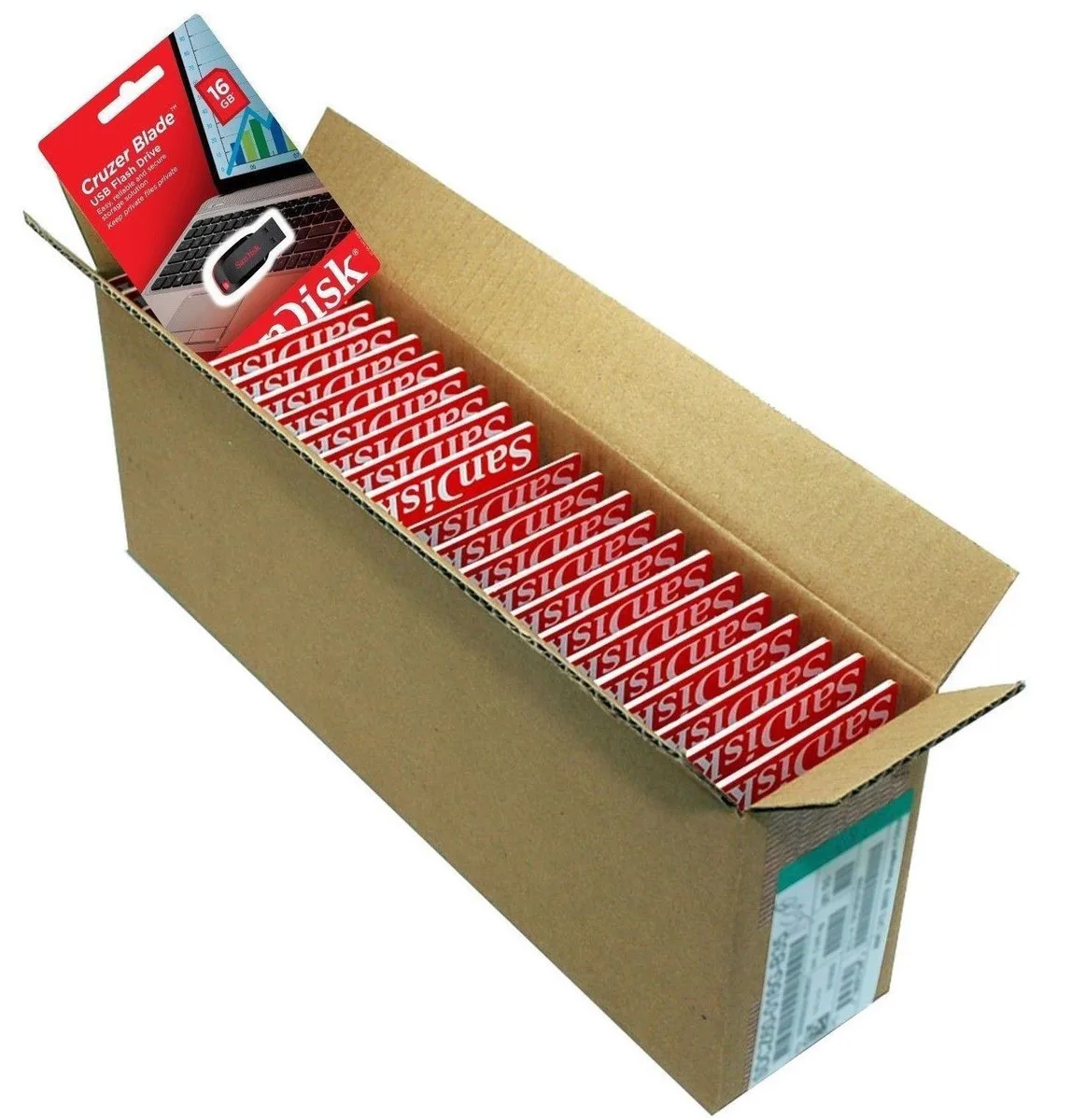
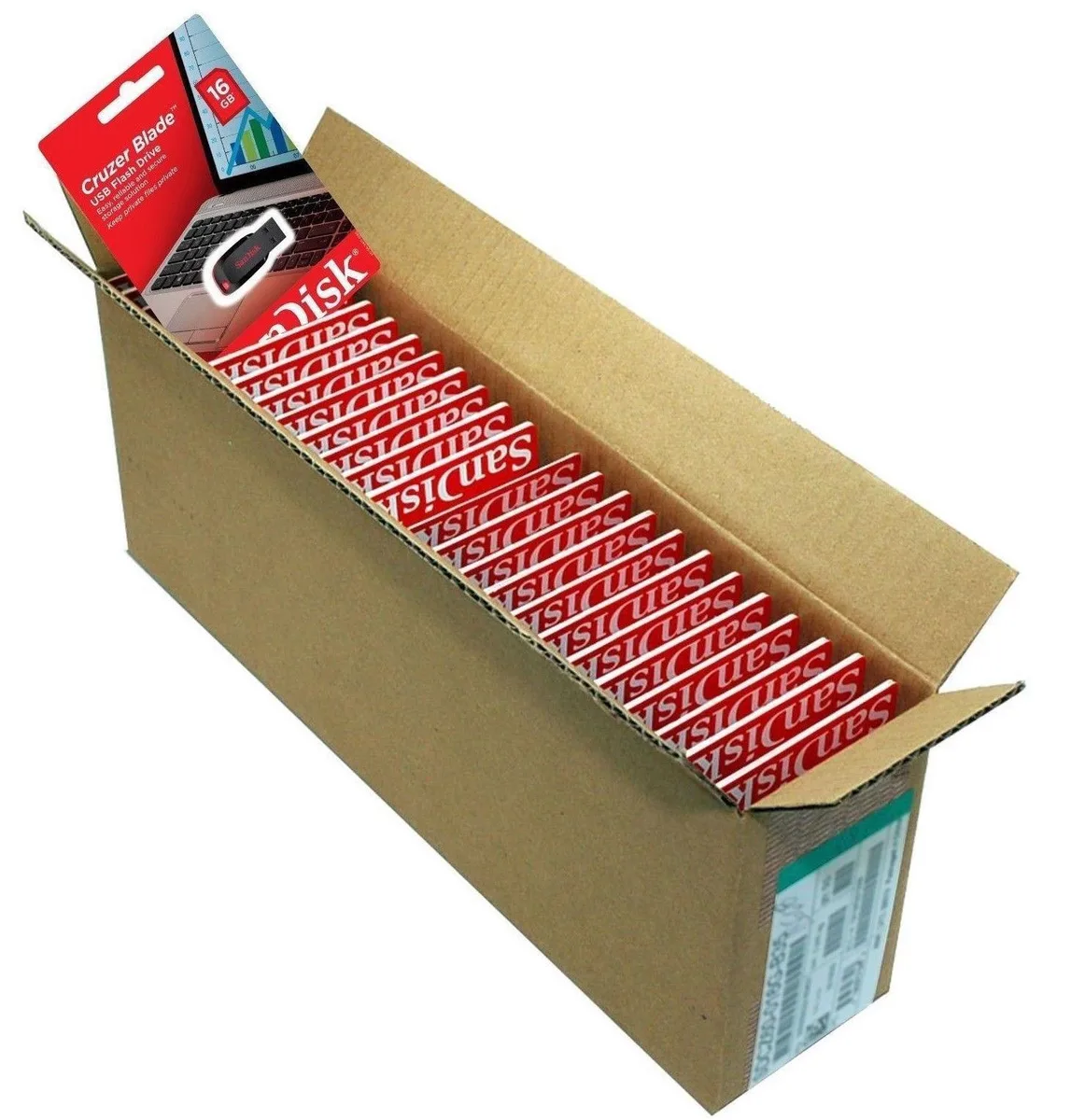
SanDisk Cruzer Blade 8 GB USB 2.0 USB flash drive Black SDCZ50-008G-B35
391,99 USD
0.00501696BTC
Yra sandėlyjePriimame kriptovaliutą — taip monetos, kurias turite, gali nupirkti tikrą techniką.Mokėkite kriptovaliuta, išleiskite ją tikrai technikai. Nemokamas apdraustas pristatymas visame pasaulyje virš 399 $. Paprastos, be žymų siuntos dėžės, siunčiamos iš Vokietijos.Nemokamas apdraustas pristatymas virš 399 $. Jūsų kursas fiksuojamas 30 minučių, kai tik prasideda atsiskaitymas.Kursas fiksuojamas 30 minučių. Kiekvienas gaminys užplombuotas, jo serijos numeris patikrintas, ir jam taikoma 24 mėnesių garantija.Užplombuota, 24 mėnesių garantija.


LORDWORLD
An ESP32-C6 development board with a 1.69 inch 240×280 262K IPS display, dual 32-bit RISC-V processors up to 160 MHz, Wi-Fi 6 and Bluetooth 5 for AI voice interaction
This LORDWORLD board pairs an ESP32-C6 microcontroller with a 1.69-inch 262K-colour IPS panel driven by an ST7789V2 controller over SPI. The dual-core RISC-V architecture reaches 160 MHz and adds a low-power co-processor for always-on tasks. Makers and IoT engineers get a ready-made platform for AI voice prototypes and edge applications.
Built-in Wi-Fi 6, Bluetooth 5 and IEEE 802.15.4 radios cover Zigbee 3.0 and Thread without extra modules. The SPI-attached 240 × 280 screen leaves GPIO pins free for sensors or actuators. Developers can stream responses from online large-model services such as DeepSeek or Doubao directly to the on-board display.
The high-performance core handles continuous inference while the low-power core maintains mesh connectivity and sleep cycles. Thermal design relies on the bare PCB, so extended voice sessions or constant radio traffic may throttle clocks. Projects needing active cooling or higher-resolution graphics should evaluate alternative form factors.
| Brand | LORDWORLD |
|---|
The 160 MHz RISC-V processor and 262K colour IPS display share the SPI bus, so continuous voice inference and screen updates compete for the same throughput ceiling.
The bare PCB has no fan or heatsink; the 160 MHz RISC-V chip runs warm but silent, and the 1.69 inch IPS panel adds negligible heat during 24/7 operation.
A PC with a USB-C data cable and the Espressif toolchain is required; the board exposes a USB-C port for power and serial programming.
Taip pat šiame skyriuje
Ta pati lentyna, tas pats atsiskaitymas — aštuonios monetos ir 30 minučių fiksuotas kursas.
Tai, kuo mokate, ir valiuta, kuria matote kainas.
Išsiunčiama iš Jūsų piniginės atsiskaitant
Tik rodoma — katalogo kainos nurodytos doleriais
Tokios valiutos nerasta.
Pasirinkite kalbą, kuria Jums kalbės svetainė.
Tokios kalbos nerasta.
Pirmą kartą čia?
Jau turite paskyrą?
Automatinio atstatymo nėra: ši parduotuvė nesiunčia jokių el. laiškų, todėl nėra jokios vienkartinės nuorodos, kurios būtų galima paprašyti. Palikite adresą paskyroje, ir juo bus pasirūpinta rankiniu būdu.
Prašymas užfiksuotas
Į Jūsų pašto dėžutę niekas nekeliauja — ši parduotuvė apskritai nesiunčia jokių el. laiškų. Šiuos prašymus kažkas peržiūri rankiniu būdu.
Prisiminėte?