SanDisk
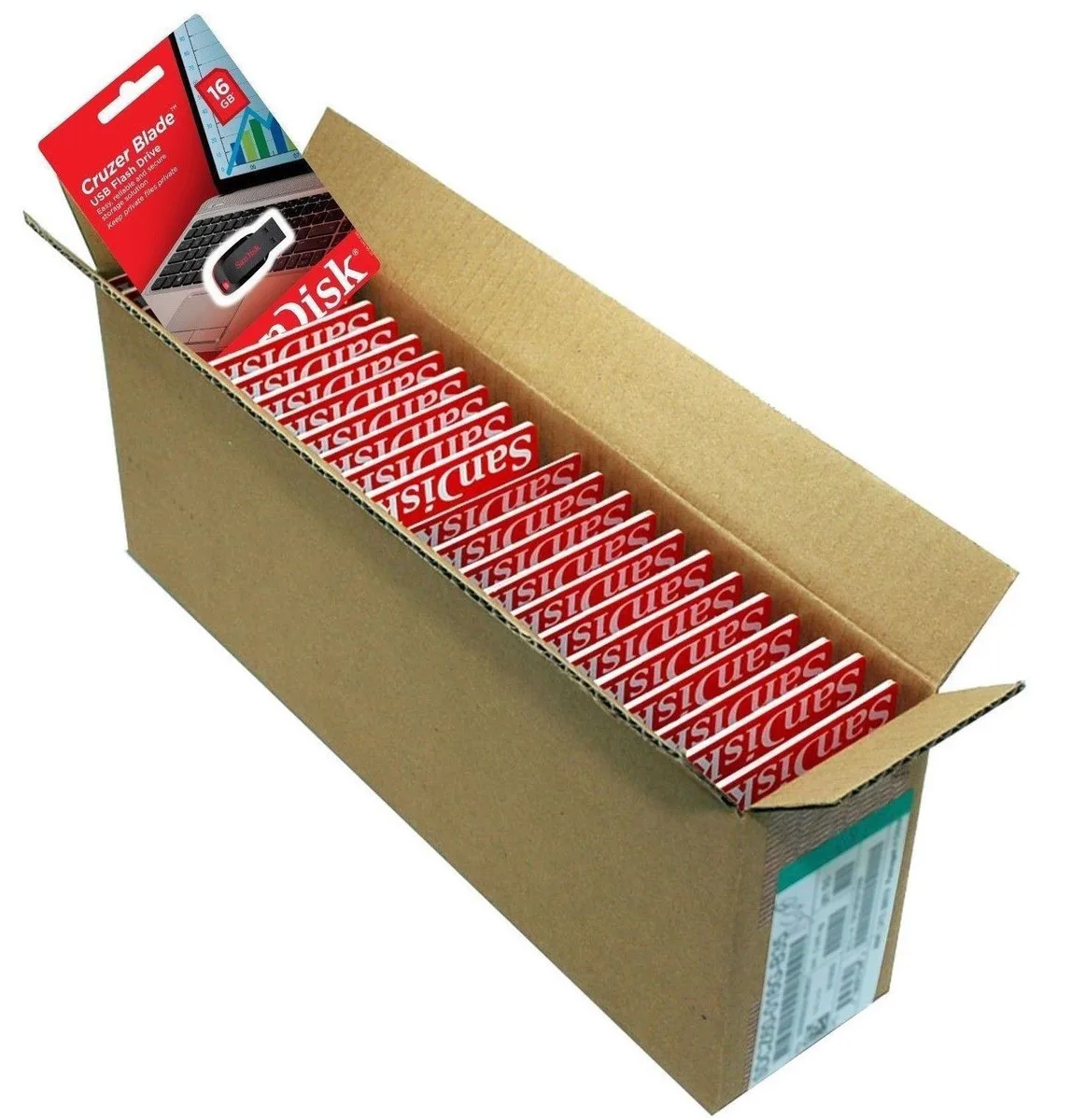
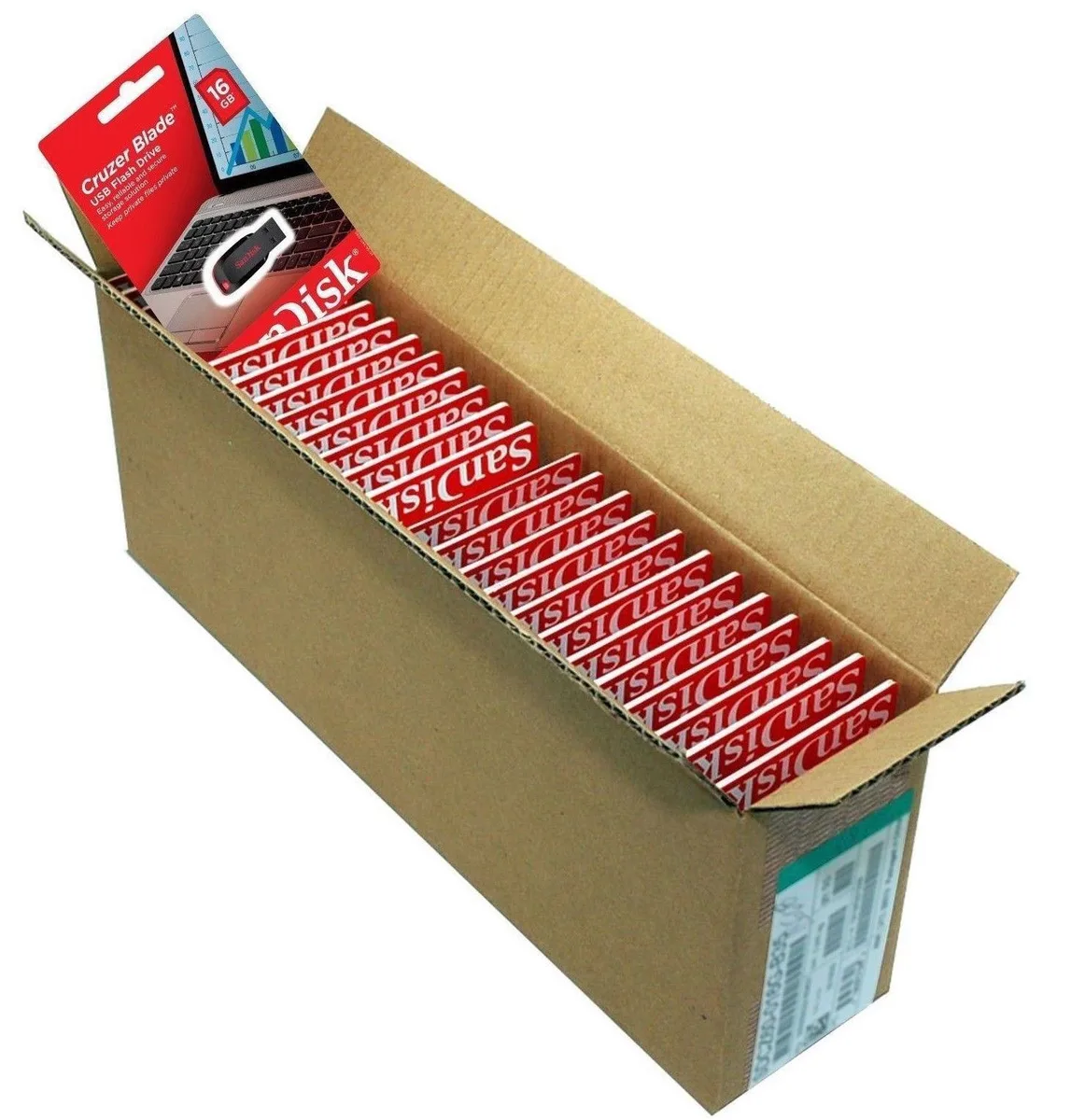
SanDisk Cruzer Blade 8 GB USB 2.0 USB flash drive Black SDCZ50-008G-B35
391,99 USD
0.00501696BTC
DostępnyAkceptujemy kryptowaluty — posiadane środki można więc wykorzystać na zakup prawdziwego sprzętu.Płatność kryptowalutą — realny sprzęt w zamian. Bezpłatna, ubezpieczona dostawa na całym świecie powyżej 399 $. Neutralne kartony, bez oznaczeń, wysyłane z Niemiec.Bezpłatna, ubezpieczona dostawa powyżej 399 $. Kurs zostaje zablokowany na 30 minut od otwarcia kasy.Kurs zablokowany na 30 minut. Każdy produkt jest fabrycznie zapieczętowany, jego numer seryjny jest sprawdzany, a całość objęta jest 24-miesięczną gwarancją.Zapieczętowane fabrycznie, 24 miesiące gwarancji.


LORDWORLD
An ESP32-C6 development board with a 1.69 inch 240×280 262K IPS display, dual 32-bit RISC-V processors up to 160 MHz, Wi-Fi 6 and Bluetooth 5 for AI voice interaction
This LORDWORLD board pairs an ESP32-C6 microcontroller with a 1.69-inch 262K-colour IPS panel driven by an ST7789V2 controller over SPI. The dual-core RISC-V architecture reaches 160 MHz and adds a low-power co-processor for always-on tasks. Makers and IoT engineers get a ready-made platform for AI voice prototypes and edge applications.
Built-in Wi-Fi 6, Bluetooth 5 and IEEE 802.15.4 radios cover Zigbee 3.0 and Thread without extra modules. The SPI-attached 240 × 280 screen leaves GPIO pins free for sensors or actuators. Developers can stream responses from online large-model services such as DeepSeek or Doubao directly to the on-board display.
The high-performance core handles continuous inference while the low-power core maintains mesh connectivity and sleep cycles. Thermal design relies on the bare PCB, so extended voice sessions or constant radio traffic may throttle clocks. Projects needing active cooling or higher-resolution graphics should evaluate alternative form factors.
| Brand | LORDWORLD |
|---|
The 160 MHz RISC-V processor and 262K colour IPS display share the SPI bus, so continuous voice inference and screen updates compete for the same throughput ceiling.
The bare PCB has no fan or heatsink; the 160 MHz RISC-V chip runs warm but silent, and the 1.69 inch IPS panel adds negligible heat during 24/7 operation.
A PC with a USB-C data cable and the Espressif toolchain is required; the board exposes a USB-C port for power and serial programming.
Także w tym dziale
Ten sam dział, ta sama kasa — osiem kryptowalut i 30-minutowa blokada kursu.
Waluta płatności i waluta wyświetlania cen.
Wysyłane z portfela przy kasie
Tylko podgląd — katalog wyceniony jest w dolarach
Brak pasującej waluty.
Wybierz język, w którym wyświetla się strona.
Brak pasującego języka.
Pierwsza wizyta?
Konto już założone?
Nie ma automatycznego resetowania hasła: ten sklep nie wysyła żadnych e-maili, więc nie ma jednorazowego linku, o który można by poprosić. Adres pozostawiony przy koncie zostanie obsłużony ręcznie.
Zgłoszenie zapisane
Do skrzynki odbiorczej nic nie trafi — ten sklep nie wysyła żadnych e-maili. Zgłoszenia są obsługiwane ręcznie.
Hasło się przypomniało?