SanDisk
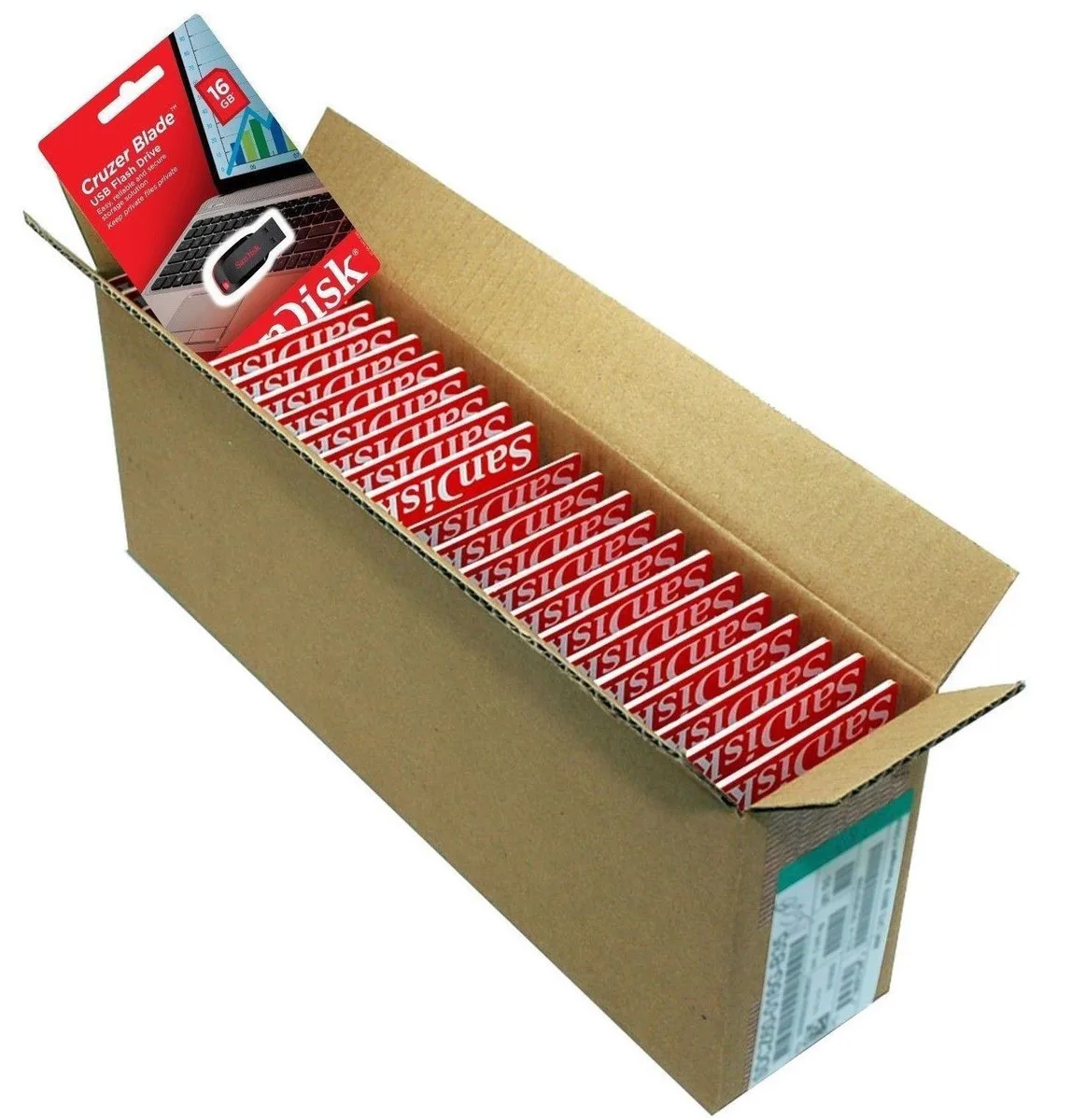
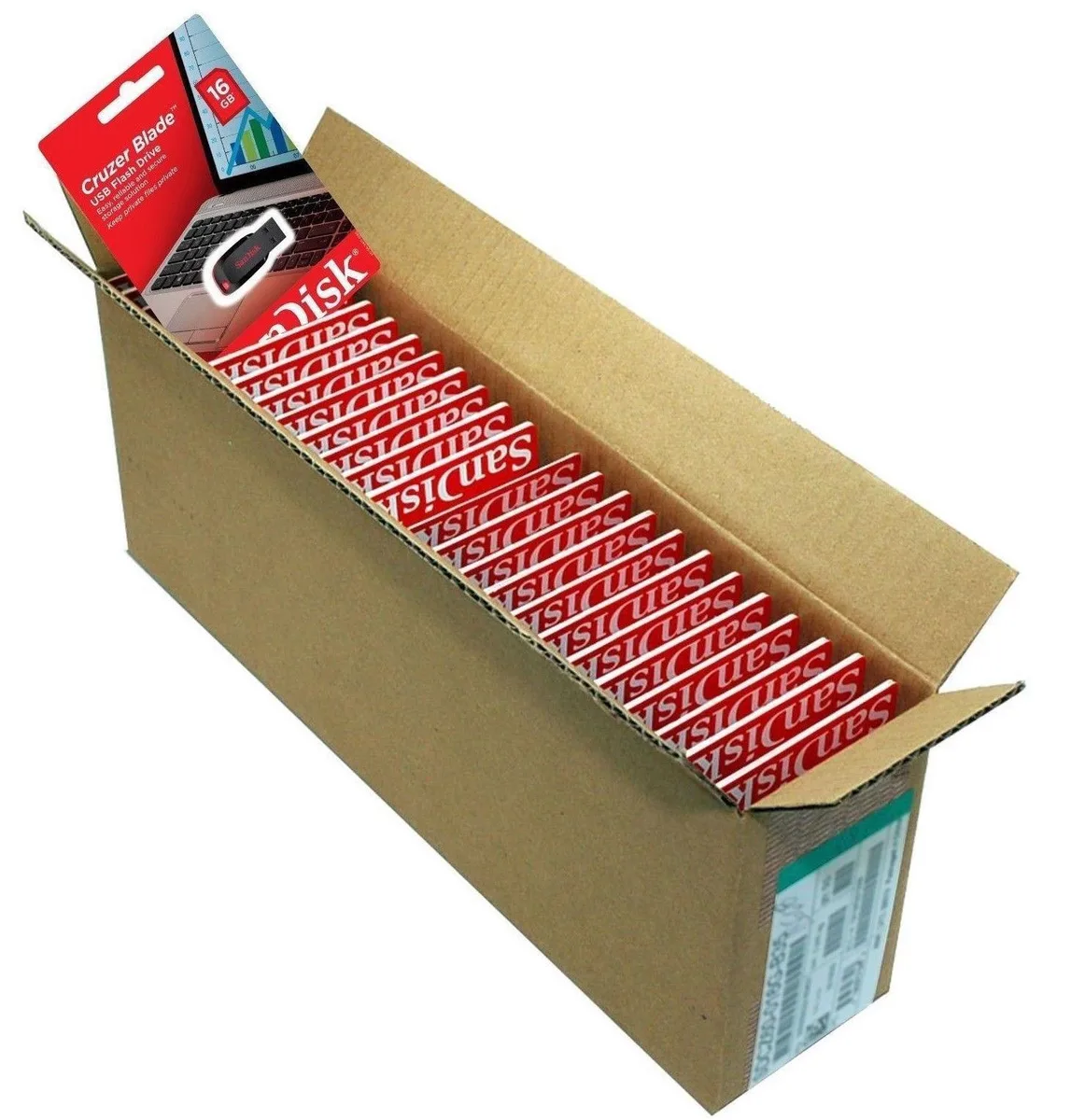
SanDisk Cruzer Blade 8 GB USB 2.0 USB flash drive Black SDCZ50-008G-B35
391,99 $
0.00499579BTC
KrājumāMēs pieņemam kriptovalūtu — lai tā, kas Jums pieder, varētu nopirkt īstu aparatūru.Maksājiet kriptovalūtā, iztērējiet to īstai aparatūrai. Bezmaksas apdrošināta piegāde visā pasaulē virs 399 $. Vienkāršas, nemarķētas kastes, sūtītas no Vācijas.Bezmaksas apdrošināta piegāde virs 399 $. Jūsu kurss tiek fiksēts uz 30 minūtēm, tiklīdz atveras kase.Kurss fiksēts uz 30 minūtēm. Katra prece ir aizzīmogota, tās sērijas numurs ir pārbaudīts, un uz to attiecas 24 mēnešu garantija.Aizzīmogots, 24 mēnešu garantija.


EVGA
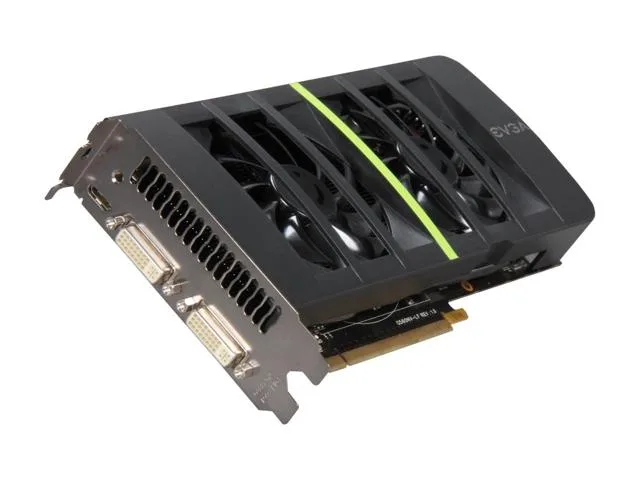
GeForce GTX 560 Ti graphics card with 1GB GDDR5 memory, 384 CUDA cores, 900 MHz core clock, 1800 MHz boost clock, PCI Express 2.0 x16 interface, dual DVI and mini HDMI outputs supporting 2560 x 1600
The EVGA 01G-P3-1567-KR is a GeForce GTX 560 Ti graphics card built on the NVIDIA Fermi architecture. It targets enthusiasts building or upgrading a PCI Express 2.0 system who want DirectX 11 class performance. The card ships with 1GB of GDDR5 memory across a 256-bit interface and 384 CUDA cores for compute and gaming workloads.
The board connects through a PCI Express 2.0 x16 slot, which caps theoretical throughput at the 2.0 specification ceiling. This ceiling restricts maximum data transfer between the GPU and the rest of the platform compared to later 3.0 or 4.0 implementations. The 256-bit memory bus and 4212 MHz effective clock operate within this host-link constraint. SLI support is available for multi-GPU scaling on compatible motherboards.
Installation follows the usual full-height PCIe add-in card procedure: align the bracket, seat the connector firmly, and attach supplementary PCIe power cables from the supply. The dual DVI and single mini HDMI outputs require appropriate cables or adapters for modern displays. Driver installation via NVIDIA channels enables CUDA, PhysX, PureVideo HD and 3D Vision features. Verify case length clearance and power connector availability before purchase.
| Brand | EVGA |
|---|---|
| Model | 01G-P3-1567-KR |
| Interface | PCI Express 2.0 x16 |
| Chipset Manufacturer | NVIDIA |
| GPU Series | NVIDIA GeForce GTX 500 Series |
| GPU | GeForce GTX 560 Ti (Fermi) |
| Core Clock | 900 MHz |
| Boost Clock | 1800 MHz |
| CUDA Cores | 384 |
| Effective Memory Clock | 4212 MHz |
| Memory Size | 1GB |
| Memory Interface | 256-Bit |
| Memory Type | GDDR5 |
| DirectX | DirectX 11 |
| OpenGL | OpenGL 4.1 |
| HDMI | 1 x mini HDMI |
| DVI | 2 x DVI |
| RAMDAC | 400MHz |
| Max Resolution | 2560 x 1600 |
| 3D VISION Game Ready | Yes |
| SLI Support | SLI Ready |
| Cooler | With Fan |
| Dual-Link DVI Supported | Yes |
| HDCP Ready | Yes |
| Slot Width | 2 Slots |
The 1GB 256-bit GDDR5 frame buffer matches the GPU's 384 CUDA cores and 4212 MHz effective memory clock, giving balanced bandwidth for 1080p gaming.
The 1800 MHz boost clock drives the 384 CUDA cores at higher frequency under load, raising shader throughput for DirectX 11 titles.
PCI Express 2.0 x16 caps host-to-GPU bandwidth at roughly 8 GB/s, which is sufficient for the 1GB GDDR5 buffer and 384 CUDA cores at 1080p.
Arī šajā sadaļā
Tas pats plaukts, tā pati kase — astoņas kriptovalūtas un kursa fiksēšana uz 30 minūtēm.
Kriptovalūta, kurā maksājat, un valūta, kurā redzat cenas.
Nosūtīts no Jūsu maciņa, noformējot pasūtījumu
Tikai informatīvi — katalogā cenas norādītas ASV dolāros
Neviena valūta neatbilst.
Izvēlieties valodu, kurā vietne sarunājas ar Jums.
Neviena valoda neatbilst.
Pirmo reizi šeit?
Jau ir konts?
Automātiskas atiestatīšanas nav: šis veikals nesūta e-pastus, tāpēc nav arī vienreizējas saites, ko pieprasīt. Atstājiet adresi kontā, un tā tiks apstrādāta manuāli.
Pieprasījums saņemts
Uz Jūsu e-pastu nekas neatnāks — šis veikals vispār nesūta e-pastus. Kāds šos pieprasījumus apstrādā manuāli.
Atcerējāties?