SanDisk
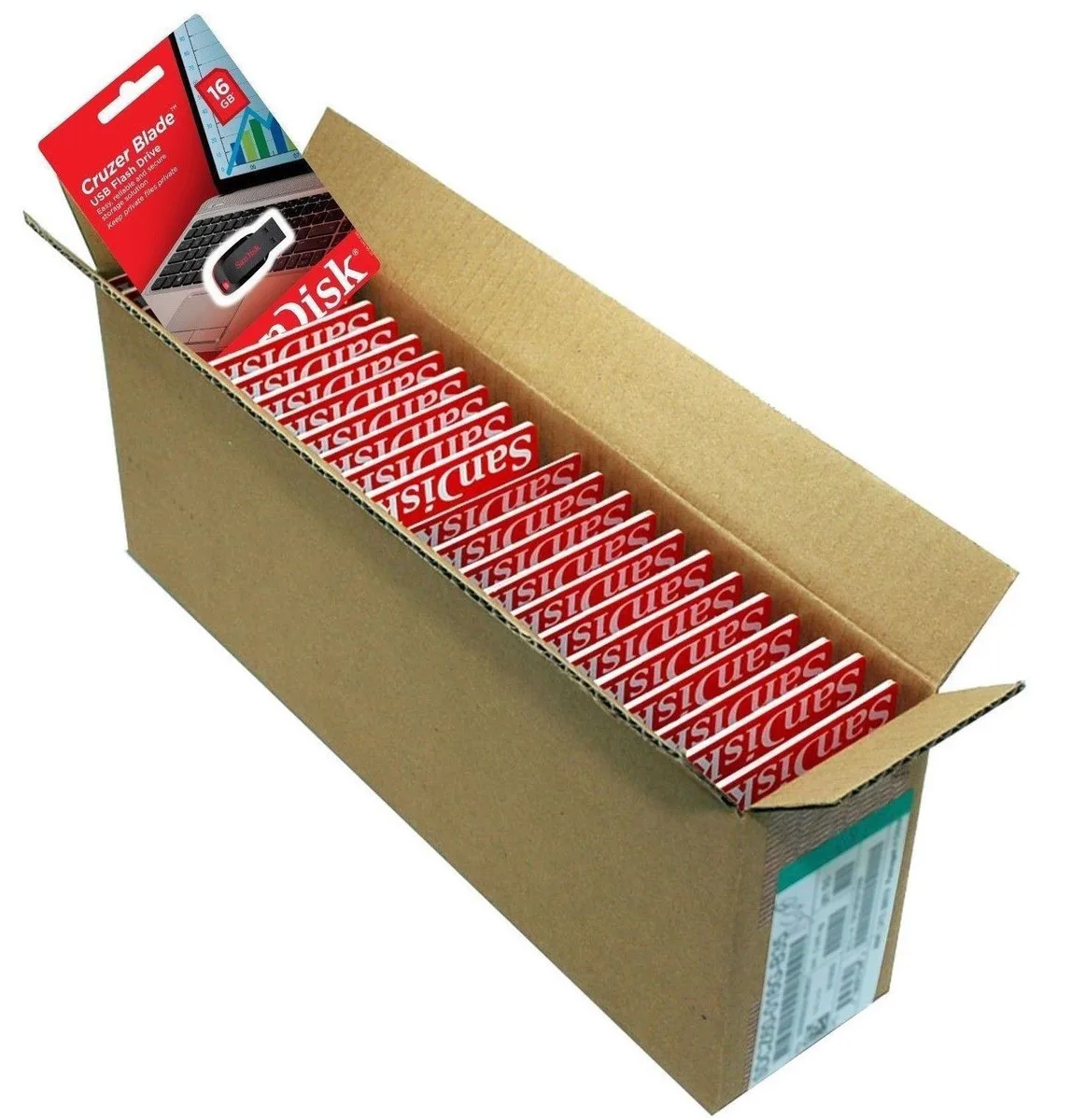
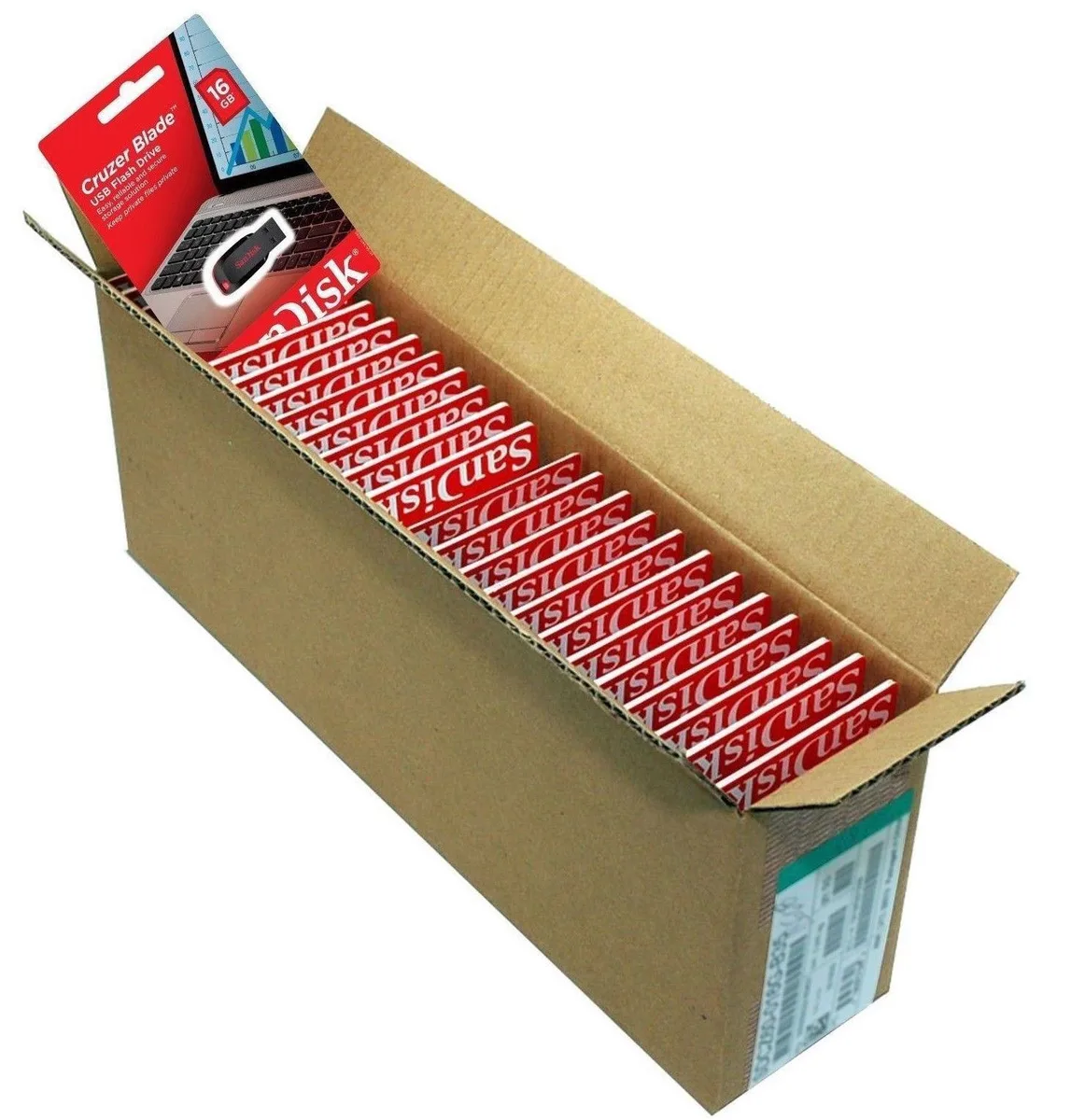
SanDisk Cruzer Blade 8 GB USB 2.0 USB flash drive Black SDCZ50-008G-B35
391,99 $
0.00501099BTC
KrājumāMēs pieņemam kriptovalūtu — lai tā, kas Jums pieder, varētu nopirkt īstu aparatūru.Maksājiet kriptovalūtā, iztērējiet to īstai aparatūrai. Bezmaksas apdrošināta piegāde visā pasaulē virs 399 $. Vienkāršas, nemarķētas kastes, sūtītas no Vācijas.Bezmaksas apdrošināta piegāde virs 399 $. Jūsu kurss tiek fiksēts uz 30 minūtēm, tiklīdz atveras kase.Kurss fiksēts uz 30 minūtēm. Katra prece ir aizzīmogota, tās sērijas numurs ir pārbaudīts, un uz to attiecas 24 mēnešu garantija.Aizzīmogots, 24 mēnešu garantija.


LORDWORLD
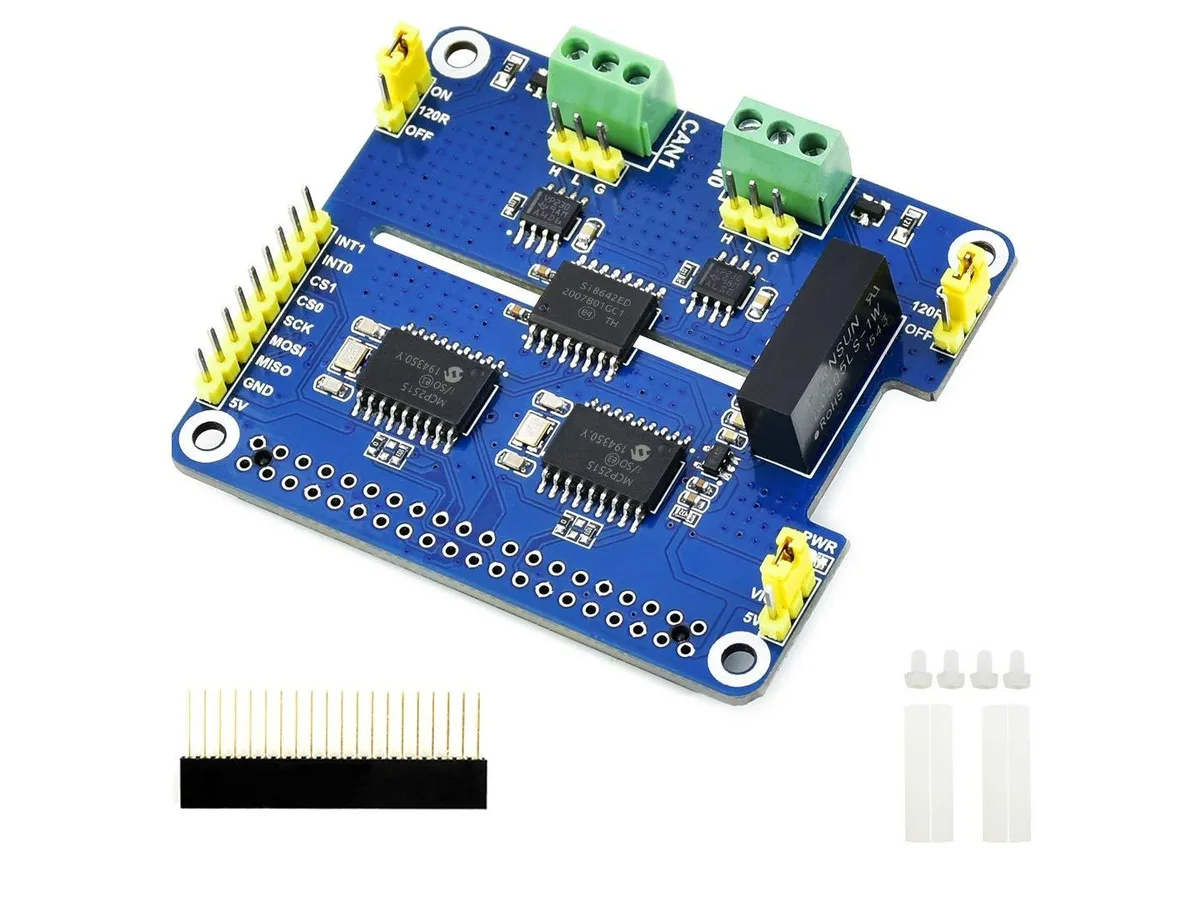
Dual-channel isolated CAN expansion board with MCP2515 and SN65HVD230 transceivers, integrated power isolation, digital signal isolation, TVS protection, selectable 3.3V/5V logic.
The LORDWORLD HAT adds two isolated CAN channels to Raspberry Pi, Arduino or STM32 host boards using an MCP2515 and SN65HVD230 chip pair. Integrated power isolation supplies a stable isolated voltage without an external source, while a digital isolator separates signal paths for improved noise immunity. On-board TVS diodes clamp transient spikes and a selectable 120 Ω terminator is configured by jumper. Voltage translation between 3.3 V and 5 V logic levels is also jumper-controlled.
Developers prototyping automotive or industrial CAN networks benefit from the dual-channel layout and built-in protection circuits. The broken-out SPI pins simplify wiring to STM32 or Arduino controllers. Projects that require Ethernet-based fieldbuses, wireless connectivity or more than two CAN channels will need a different solution.
The defining specification is the dual-chip architecture that delivers two galvanically isolated CAN interfaces on a single HAT. This channel count and isolation level determine whether the board fits the target application.
| Brand | LORDWORLD |
|---|
Set the jumper to 3.3 V for Raspberry Pi or STM32, or to 5 V for classic Arduino boards; the onboard voltage translator handles the level shift.
Each MCP2515 runs at up to 32 MHz and handles standard CAN 2.0 frames; real-world bus load depends on baud rate and message length, not the controller clock alone.
The jumper-enabled 120 Ω resistor terminates the differential pair on the channel you are using; enable it only at the physical ends of the bus.
Arī šajā sadaļā
Tas pats plaukts, tā pati kase — astoņas kriptovalūtas un kursa fiksēšana uz 30 minūtēm.
Kriptovalūta, kurā maksājat, un valūta, kurā redzat cenas.
Nosūtīts no Jūsu maciņa, noformējot pasūtījumu
Tikai informatīvi — katalogā cenas norādītas ASV dolāros
Neviena valūta neatbilst.
Izvēlieties valodu, kurā vietne sarunājas ar Jums.
Neviena valoda neatbilst.
Pirmo reizi šeit?
Jau ir konts?
Automātiskas atiestatīšanas nav: šis veikals nesūta e-pastus, tāpēc nav arī vienreizējas saites, ko pieprasīt. Atstājiet adresi kontā, un tā tiks apstrādāta manuāli.
Pieprasījums saņemts
Uz Jūsu e-pastu nekas neatnāks — šis veikals vispār nesūta e-pastus. Kāds šos pieprasījumus apstrādā manuāli.
Atcerējāties?