SanDisk
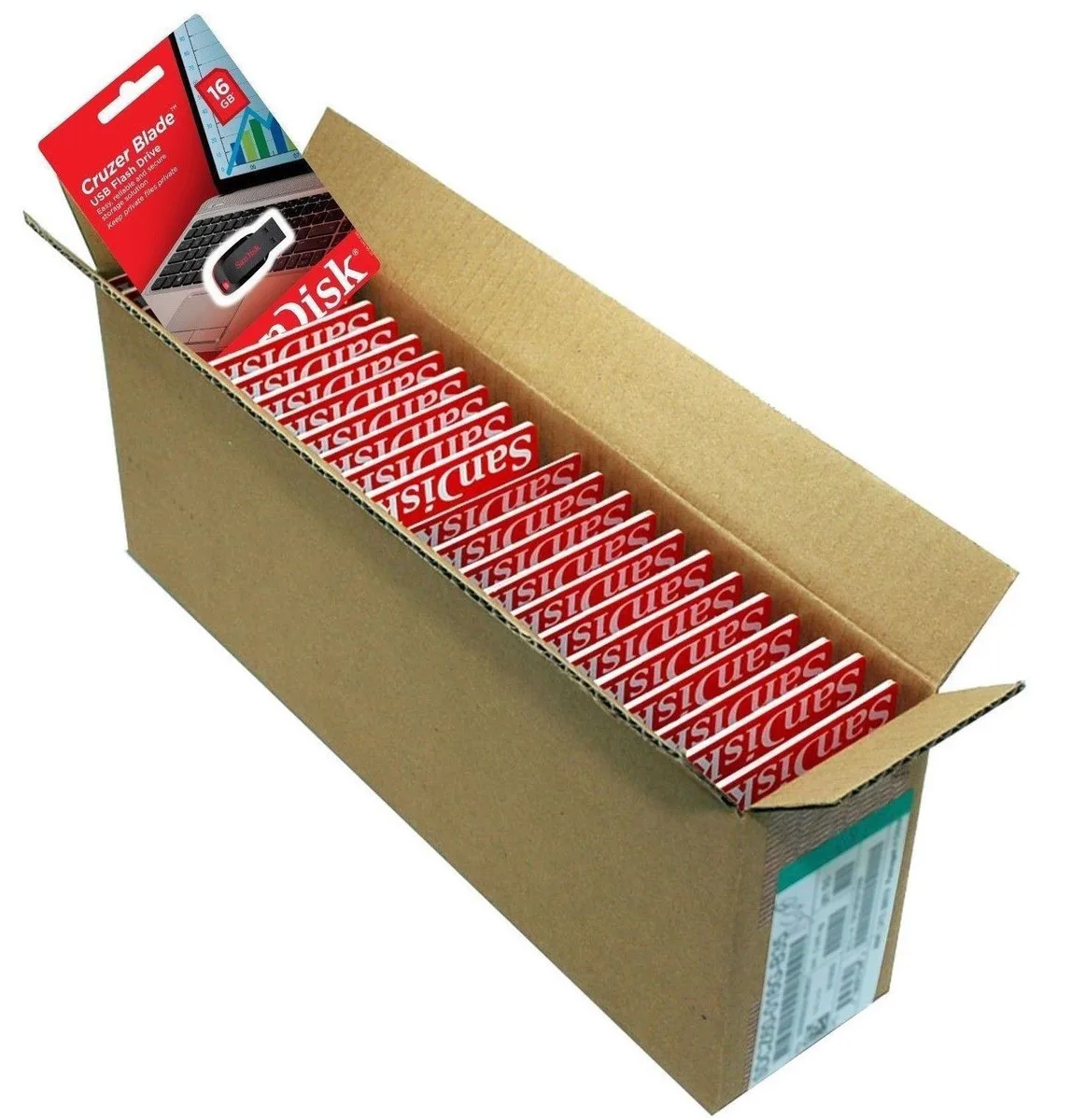
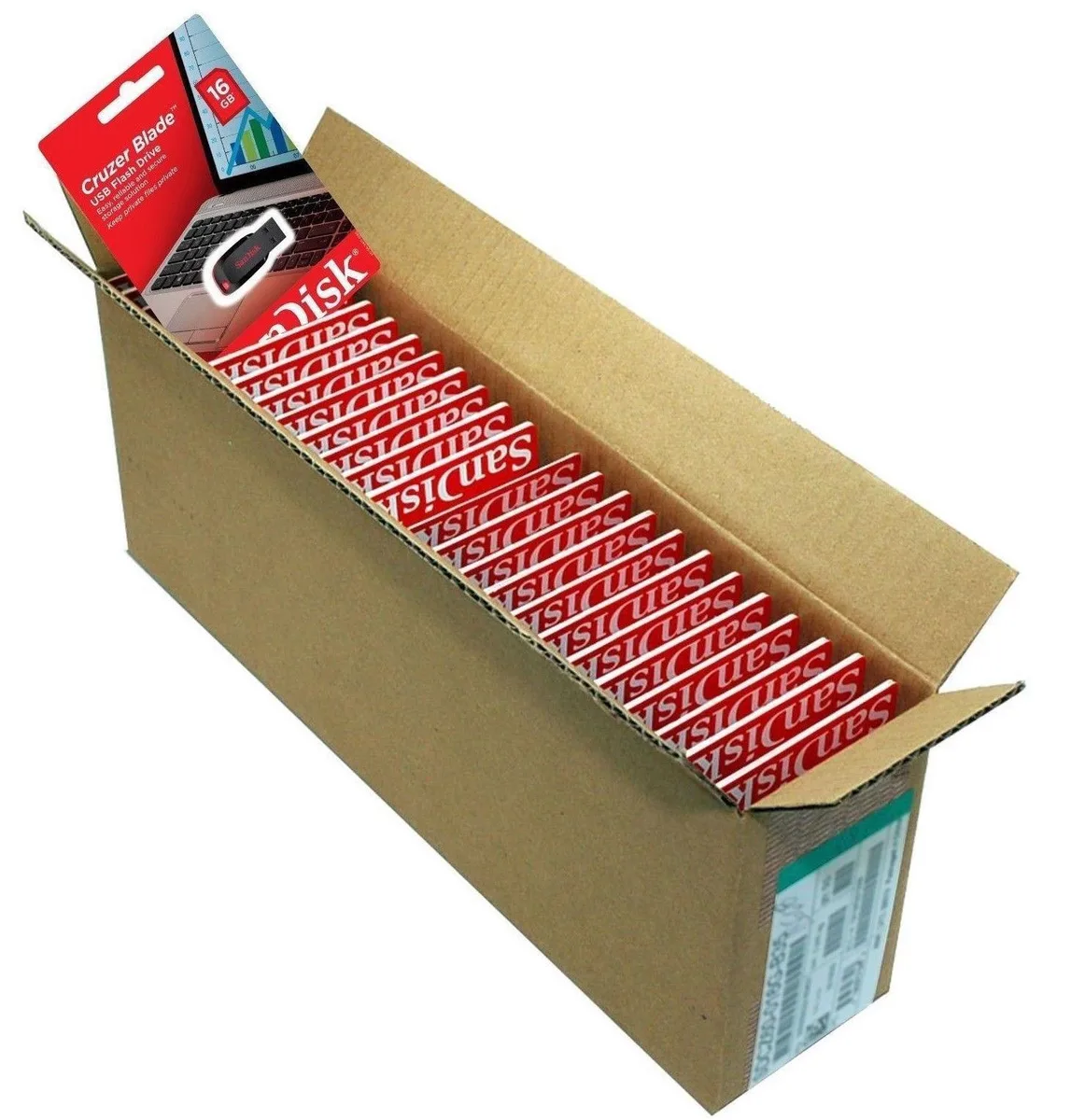
SanDisk Cruzer Blade 8 GB USB 2.0 USB flash drive Black SDCZ50-008G-B35
391,99 $
0.00501696BTC
VarastossaHyväksymme kryptoa — hallussasi olevat kolikot voivat näin ostaa oikeaa laitteistoa.Maksa kryptolla, käytä se oikeaan laitteistoon. Ilmainen vakuutettu toimitus maailmanlaajuisesti yli 399 $. Neutraalit, tuotemerkittömät ulkopakkaukset, lähetetään Saksasta.Ilmainen vakuutettu toimitus yli 399 $. Kurssisi lukitaan 30 minuutiksi heti, kun kassa avautuu.Kurssi lukittu 30 minuutiksi. Jokainen tuote on sinetöity, sen sarjanumero on tarkistettu, ja sillä on 24 kuukauden takuu.Sinetöity, 24 kuukauden takuu.


LORDWORLD
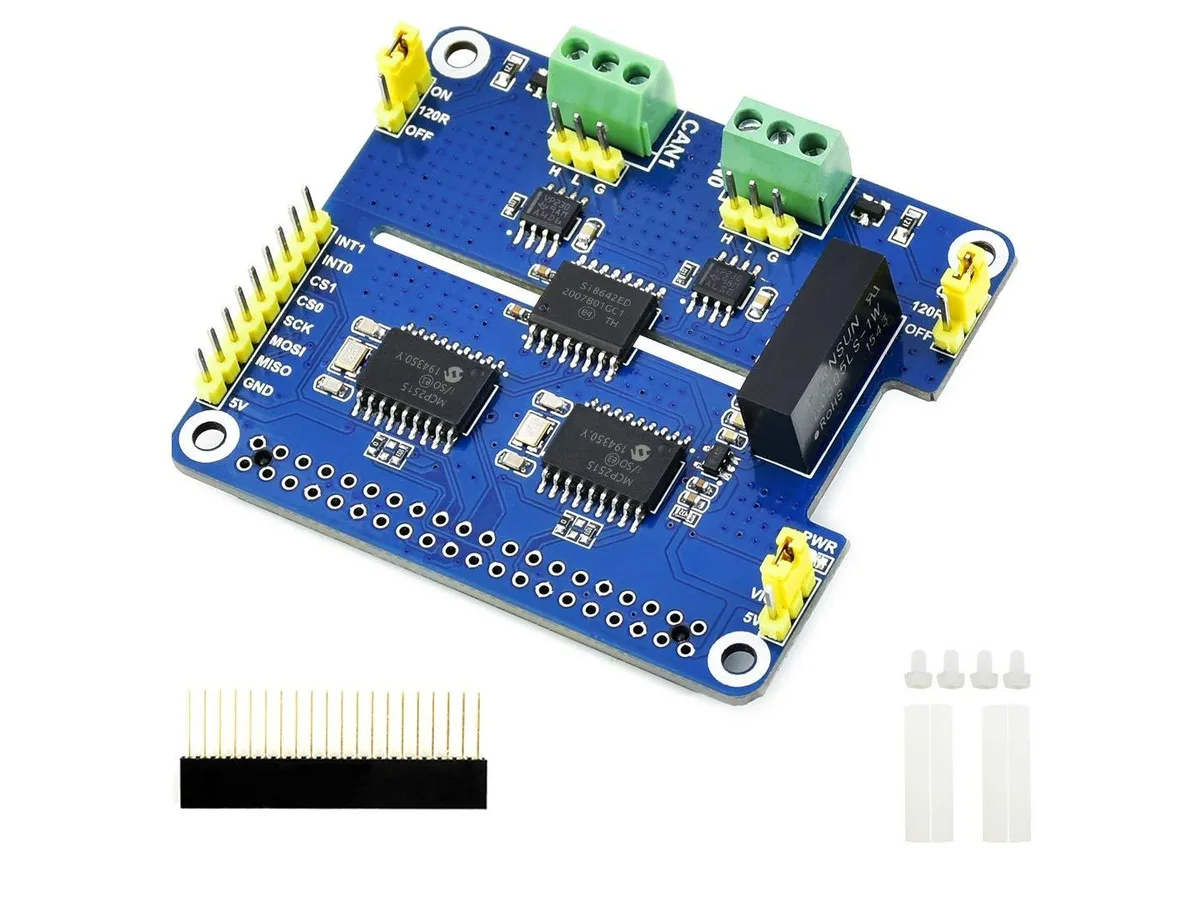
Dual-channel isolated CAN expansion board with MCP2515 and SN65HVD230 transceivers, integrated power isolation, digital signal isolation, TVS protection, selectable 3.3V/5V logic.
The LORDWORLD HAT adds two isolated CAN channels to Raspberry Pi, Arduino or STM32 host boards using an MCP2515 and SN65HVD230 chip pair. Integrated power isolation supplies a stable isolated voltage without an external source, while a digital isolator separates signal paths for improved noise immunity. On-board TVS diodes clamp transient spikes and a selectable 120 Ω terminator is configured by jumper. Voltage translation between 3.3 V and 5 V logic levels is also jumper-controlled.
Developers prototyping automotive or industrial CAN networks benefit from the dual-channel layout and built-in protection circuits. The broken-out SPI pins simplify wiring to STM32 or Arduino controllers. Projects that require Ethernet-based fieldbuses, wireless connectivity or more than two CAN channels will need a different solution.
The defining specification is the dual-chip architecture that delivers two galvanically isolated CAN interfaces on a single HAT. This channel count and isolation level determine whether the board fits the target application.
| Brand | LORDWORLD |
|---|
Set the jumper to 3.3 V for Raspberry Pi or STM32, or to 5 V for classic Arduino boards; the onboard voltage translator handles the level shift.
Each MCP2515 runs at up to 32 MHz and handles standard CAN 2.0 frames; real-world bus load depends on baud rate and message length, not the controller clock alone.
The jumper-enabled 120 Ω resistor terminates the differential pair on the channel you are using; enable it only at the physical ends of the bus.
Myös tällä osastolla
Sama osasto, sama kassa — kahdeksan kryptovaluuttaa ja 30 minuutin kurssilukko.
Valuutta, jolla maksetaan, sekä valuutta, jossa hinnat näytetään.
Lähetetään lompakostasi kassalla
Vain näyttöä varten — hinnat ovat Yhdysvaltain dollareissa
Valuuttaa ei löytynyt.
Valitse kieli, jolla sivusto puhuu sinulle.
Ei vastaavaa kieltä.
Uusi täällä?
Onko sinulla jo tili?
Automaattista palautusta ei ole: kauppa ei lähetä sähköpostia lainkaan, joten kertakäyttöistä linkkiä ei ole mistä pyytää. Jätä osoite tilille, niin se käsitellään käsin.
Pyyntö kirjattu
Mikään ei ole tulossa sähköpostiisi — tämä kauppa ei lähetä sähköpostia lainkaan. Joku käsittelee nämä pyynnöt käsin.
Muistitko sen?