OWC
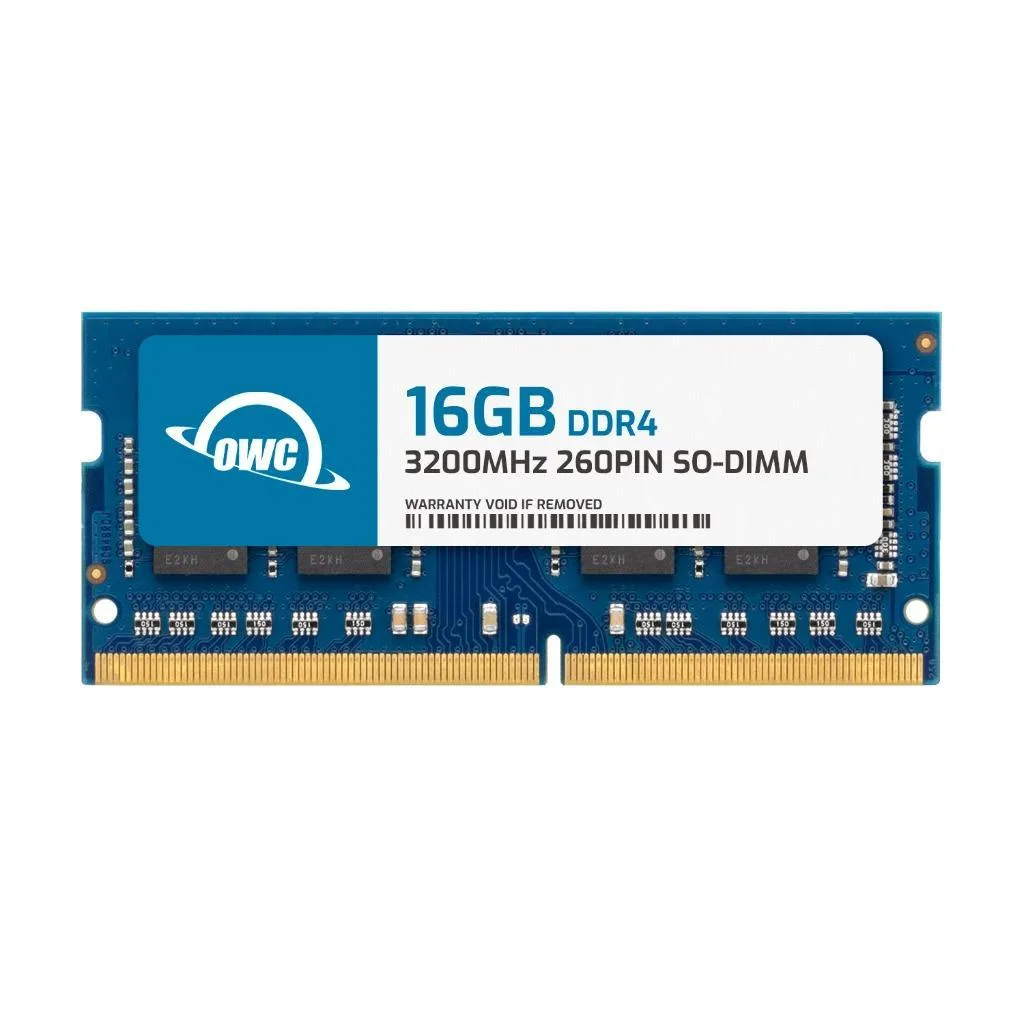
OWC 16GB DDR4 3200MHz CL22 1.2V 260pin SODIMM Alienware X17 R1
- 16GB
- 260-Pin DDR4 Non-EC…
82,99 $
0.00106998BTC
KrājumāMēs pieņemam kriptovalūtu — lai tā, kas Jums pieder, varētu nopirkt īstu aparatūru.Maksājiet kriptovalūtā, iztērējiet to īstai aparatūrai. Bezmaksas apdrošināta piegāde visā pasaulē virs 399 $. Vienkāršas, nemarķētas kastes, sūtītas no Vācijas.Bezmaksas apdrošināta piegāde virs 399 $. Jūsu kurss tiek fiksēts uz 30 minūtēm, tiklīdz atveras kase.Kurss fiksēts uz 30 minūtēm. Katra prece ir aizzīmogota, tās sērijas numurs ir pārbaudīts, un uz to attiecas 24 mēnešu garantija.Aizzīmogots, 24 mēnešu garantija.


LORDWORLD
Pico-compatible dual-core RP2350A board with built-in XL2515 CAN bus controller, 26 GPIOs, 12 PIO channels and USB 1.1 at 150 MHz
This development board combines a Raspberry Pi RP2350A dual-core microcontroller with an integrated XL2515 CAN controller and SIT65HVD230 transceiver. It targets engineers building automotive, industrial or IoT edge prototypes that require CAN V2.0B communication up to 1 Mbps. The Pico-compatible form factor provides 26 multi-function GPIOs and castellated edges for direct soldering onto custom carrier boards.
The board operates without active cooling, drawing power through its USB 1.1 host/device port during normal development cycles. Silent operation is inherent to the passive design, making it suitable for bench testing and embedded deployment where acoustic noise must be absent. Power consumption scales with the workload on the dual-core ARM Cortex-M33 and RISC-V processors running at 150 MHz.
Developers moving from a standard RP2350 or Pico board that requires an external CAN transceiver gain a single-board solution with the XL2515 controller already populated. The jump is worth it when a project demands native CAN V2.0B support alongside 12 PIO channels, 4 ADC inputs, 2×SPI, 2×I2C and 2×UART without additional wiring or shield boards. Teams staying with pure GPIO or I2C sensor work do not need the integrated CAN hardware.
| Brand | LORDWORLD |
|---|
Solder the castellated edges directly to matching pads on your carrier board, aligning the 26 GPIO pins and power rails; the Pico-compatible pinout keeps spacing standard.
The SIT65HVD230 transceiver is a hardware IC with no firmware; it requires no scheduled replacement unless physical damage or electrical overstress occurs.
USB 1.1 full-speed caps at 12 Mbps, so continuous CAN traffic at 1 Mbps with SDK overhead will saturate the USB link before the XL2515 reaches its limit.
Arī šajā sadaļā
Tas pats plaukts, tā pati kase — astoņas kriptovalūtas un kursa fiksēšana uz 30 minūtēm.
Kriptovalūta, kurā maksājat, un valūta, kurā redzat cenas.
Nosūtīts no Jūsu maciņa, noformējot pasūtījumu
Tikai informatīvi — katalogā cenas norādītas ASV dolāros
Neviena valūta neatbilst.
Izvēlieties valodu, kurā vietne sarunājas ar Jums.
Pirmo reizi šeit?
Jau ir konts?
Automātiskas atiestatīšanas nav: šis veikals nesūta e-pastus, tāpēc nav arī vienreizējas saites, ko pieprasīt. Atstājiet adresi kontā, un tā tiks apstrādāta manuāli.
Pieprasījums saņemts
Uz Jūsu e-pastu nekas neatnāks — šis veikals vispār nesūta e-pastus. Kāds šos pieprasījumus apstrādā manuāli.
Atcerējāties?