OWC
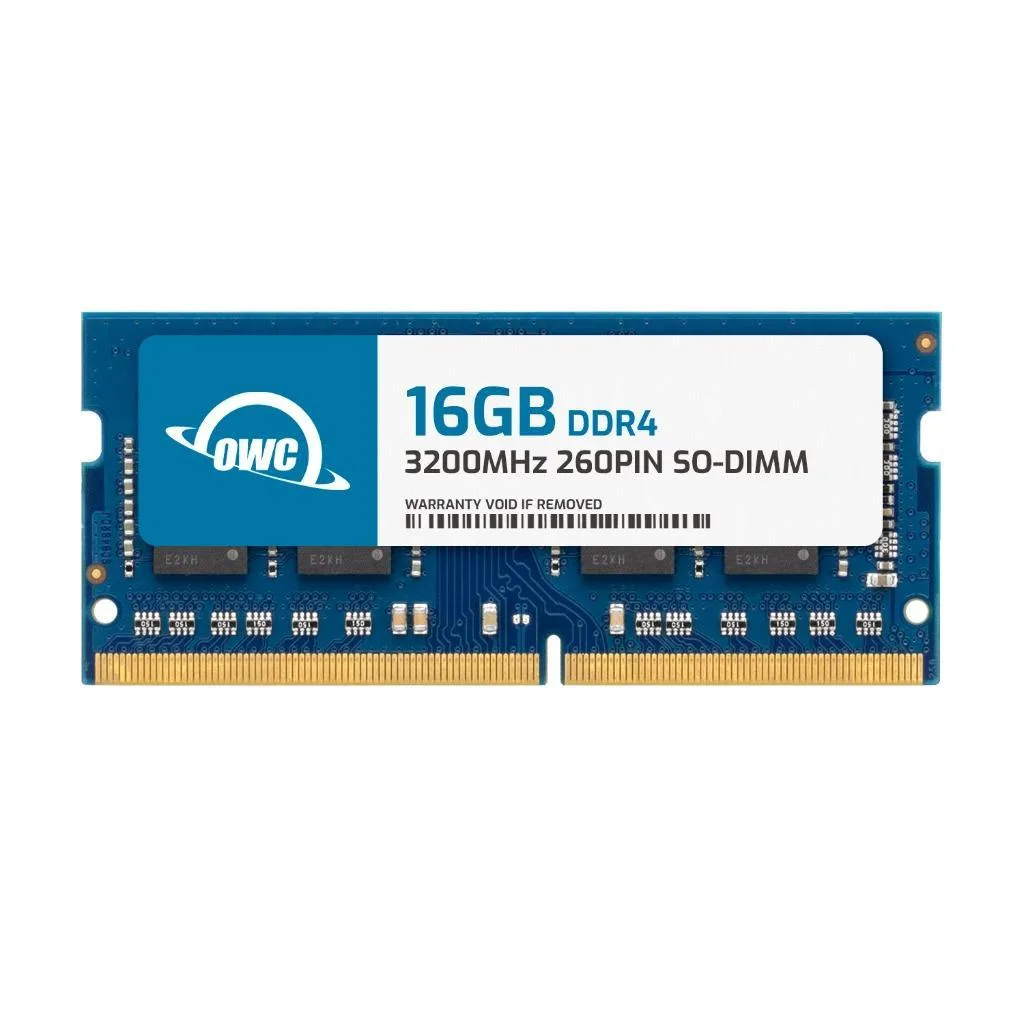
OWC 16GB DDR4 3200MHz CL22 1.2V 260pin SODIMM Alienware X17 R1
- 16GB
- 260-Pin DDR4 Non-EC…
$82.99
0.00106888BTC
在庫あり


LORDWORLD
Pico-compatible dual-core RP2350A board with built-in XL2515 CAN bus controller, 26 GPIOs, 12 PIO channels and USB 1.1 at 150 MHz
This development board combines a Raspberry Pi RP2350A dual-core microcontroller with an integrated XL2515 CAN controller and SIT65HVD230 transceiver. It targets engineers building automotive, industrial or IoT edge prototypes that require CAN V2.0B communication up to 1 Mbps. The Pico-compatible form factor provides 26 multi-function GPIOs and castellated edges for direct soldering onto custom carrier boards.
The board operates without active cooling, drawing power through its USB 1.1 host/device port during normal development cycles. Silent operation is inherent to the passive design, making it suitable for bench testing and embedded deployment where acoustic noise must be absent. Power consumption scales with the workload on the dual-core ARM Cortex-M33 and RISC-V processors running at 150 MHz.
Developers moving from a standard RP2350 or Pico board that requires an external CAN transceiver gain a single-board solution with the XL2515 controller already populated. The jump is worth it when a project demands native CAN V2.0B support alongside 12 PIO channels, 4 ADC inputs, 2×SPI, 2×I2C and 2×UART without additional wiring or shield boards. Teams staying with pure GPIO or I2C sensor work do not need the integrated CAN hardware.
| Brand | LORDWORLD |
|---|
Solder the castellated edges directly to matching pads on your carrier board, aligning the 26 GPIO pins and power rails; the Pico-compatible pinout keeps spacing standard.
The SIT65HVD230 transceiver is a hardware IC with no firmware; it requires no scheduled replacement unless physical damage or electrical overstress occurs.
USB 1.1 full-speed caps at 12 Mbps, so continuous CAN traffic at 1 Mbps with SDK overhead will saturate the USB link before the XL2515 reaches its limit.
同じ売り場の商品
同じ売り場、同じレジ — 8種類のコインと30分間のレートロック。
お支払いに使うコインと、価格表示に使う通貨です。
チェックアウト時にウォレットから送信されます。
表示のみ—カタログの価格は米ドル建てです。
該当する通貨がありません。
サイトの表示言語を選択してください。
初めてのご利用ですか?
すでにお持ちですか?
自動的な再設定はありません。当店はメールを送信しないため、ワンタイムリンクをお送りすることもできません。アカウントにメールアドレスを残しておいていただければ、担当者が手作業で確認いたします。
リクエストを受け付けました
受信箱に何かが届くことはありません — 当店はメールを一切送信していません。担当者が手作業で確認いたします。
思い出しましたか?