SanDisk
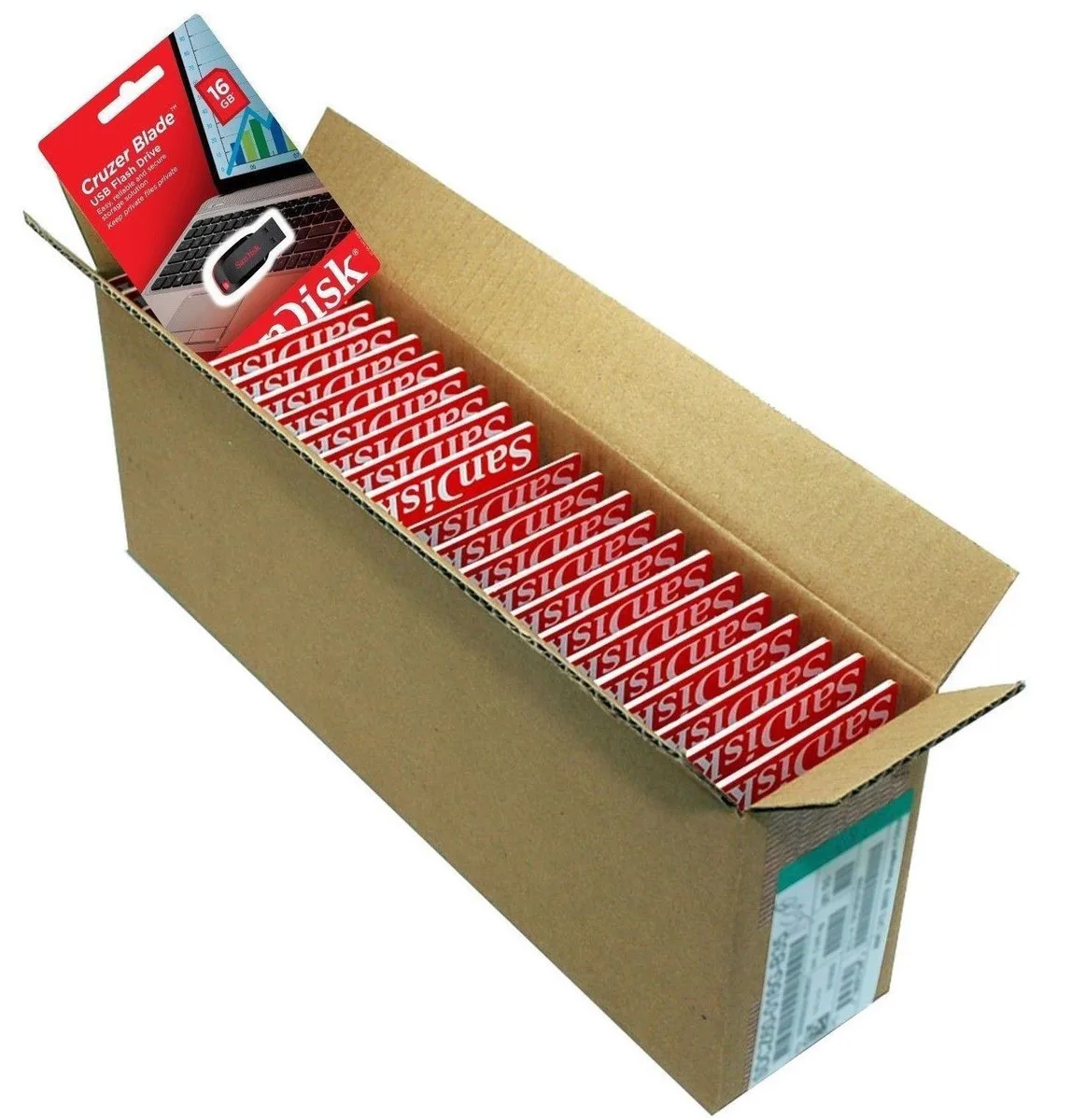
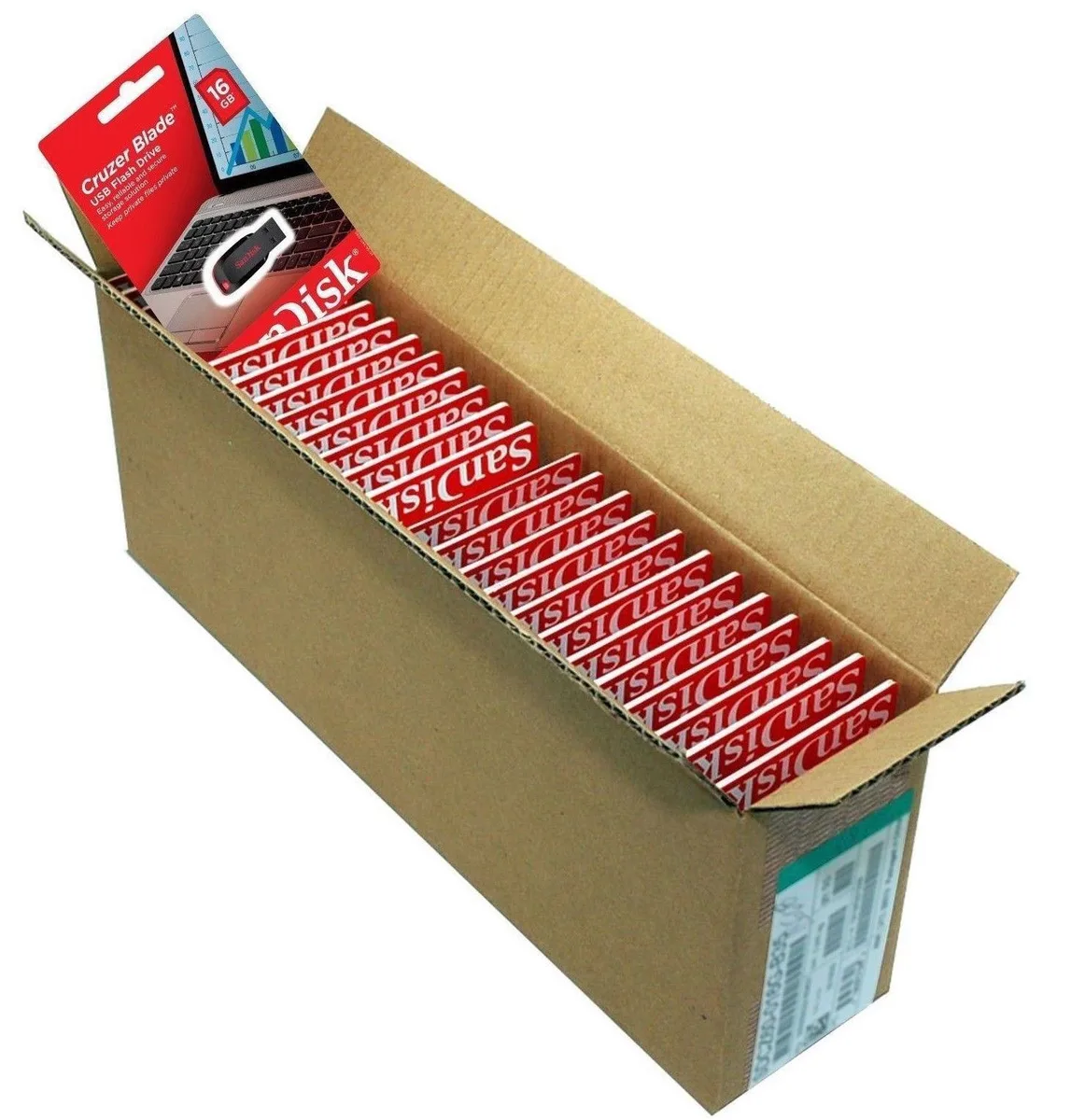
SanDisk Cruzer Blade 8 GB USB 2.0 USB flash drive Black SDCZ50-008G-B35
USD 391.99
0.00500607BTC
Ada stokKami menerima kripto — jadi koin yang anda simpan boleh membeli perkakasan sebenar.Bayar dengan kripto, belanjakannya untuk perkakasan sebenar. Penghantaran berinsurans percuma ke seluruh dunia untuk belian melebihi USD 399. Kotak biasa tanpa jenama, dihantar dari Jerman.Penghantaran berinsurans percuma untuk belian melebihi USD 399. Kadar anda dikunci selama 30 minit sebaik sahaja proses pesanan bermula.Kadar dikunci selama 30 minit. Setiap item disegel, nombor sirinya disemak, dan dilindungi waranti 24 bulan.Disegel, waranti 24 bulan.


LORDWORLD
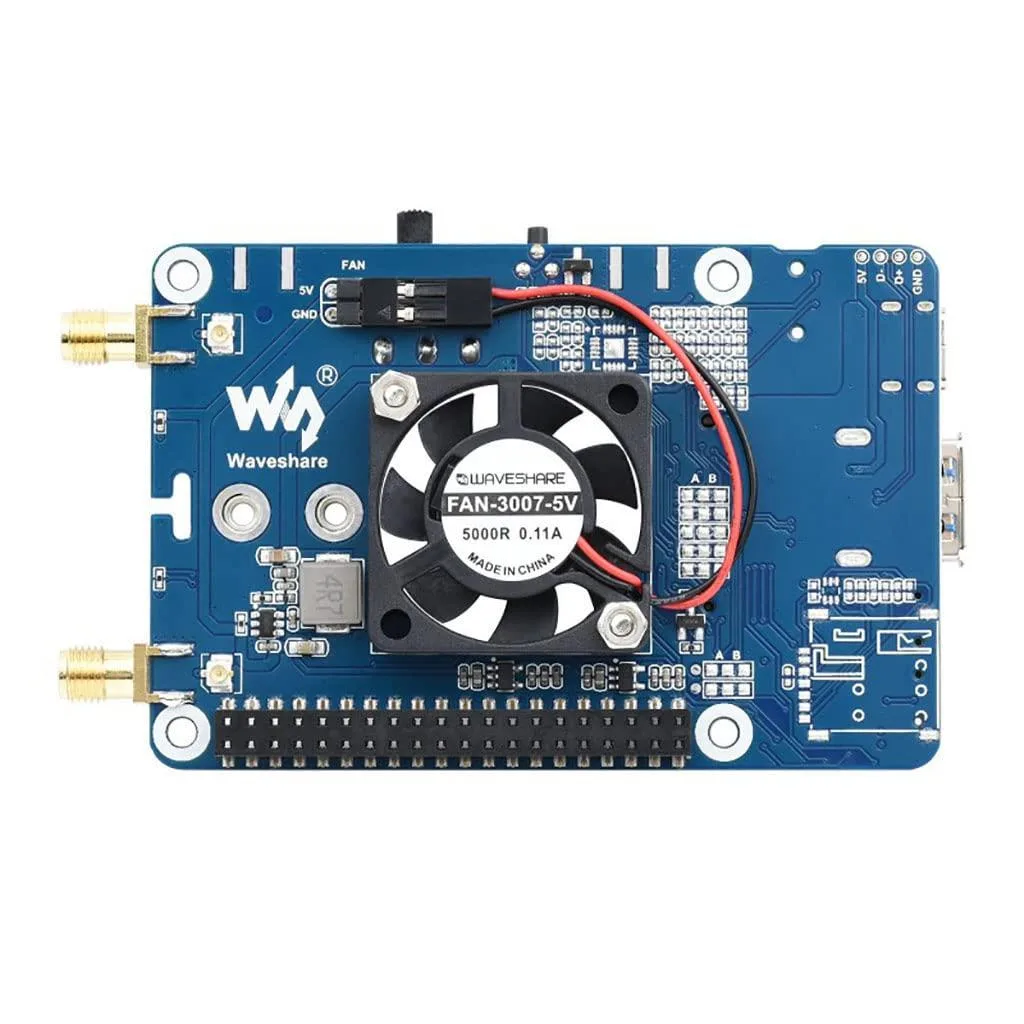
LTE Cat-6 HAT adds high-speed cellular and multi-constellation GNSS to Raspberry Pi or Jetson Nano via USB 3.1
The LORDWORLD EM06-E is a development board that adds cellular connectivity to a Raspberry Pi or Jetson Nano host. It uses a USB 3.1 interface, backward compatible with USB 2.0, to deliver LTE-Advanced speeds. A standard M.2 B KEY slot accepts EM06-E, EM06-J or EM06-A modules. Multi-constellation GNSS provides positioning across GPS, GLONASS, BeiDou, Galileo and QZSS.
This board suits developers building IoT gateways, asset trackers or remote sensors that need LTE Cat-6 and precise satellite location. It works with Windows, Linux and Android drivers for broad software integration. Builders who need a different cellular category, a non-M.2 module format, or a host without USB 3.1/2.0 should look at other solutions.
The single specification that decides fit is the M.2 B KEY slot paired with compatibility for the EM06-E, EM06-J and EM06-A module series. Your chosen modem module must match this key and series. The board also provides four SMA to IPEX antenna interfaces with two connectors pre-soldered for flexible antenna placement.
| Brand | LORDWORLD |
|---|
Connect the board via the USB 3.1 port, which also works with USB 2.0 hosts, then secure the HAT onto the Pi's GPIO header; the step often missed is enabling the USB 3.1 link in the Pi config so the modem negotiates Cat-6 speeds instead of falling back to 2.0
The board provides four SMA-to-IPEX interfaces with two pre-soldered connectors; periodically check the SMA joints for corrosion and re-tighten or swap antennas if signal degrades, since the IPEX pigtails can loosen with vibration
Sustained Cat-6 throughput over the USB 3.1 link typically hits the host controller's bulk-endpoint bandwidth ceiling before the modem overheats, so expect throughput to plateau at the USB 2.0-compatible fallback rate if the host cannot maintain 3.1 signalling
Juga di rak ini
Rak yang sama, checkout yang sama — lapan koin kripto dan kunci kadar 30 minit.
Apa yang anda hantar untuk membayar, dan mata wang yang anda guna untuk membaca harga.
Dihantar daripada dompet anda semasa semak keluar
Untuk paparan sahaja — katalog diberi harga dalam USD
Tiada mata wang yang sepadan.
Pilih bahasa yang digunakan oleh laman web ini.
Tiada bahasa yang sepadan.
Pengguna baharu?
Sudah mempunyai akaun?
Tiada set semula automatik: kedai ini tidak menghantar sebarang e-mel, jadi tiada pautan sekali guna untuk diminta. Biarkan alamat pada akaun tersebut, ia akan diuruskan secara manual.
Permintaan direkodkan
Tiada apa-apa akan sampai ke peti masuk anda — kedai ini tidak menghantar sebarang e-mel. Seseorang akan menguruskannya secara manual.
Sudah teringat?