SanDisk
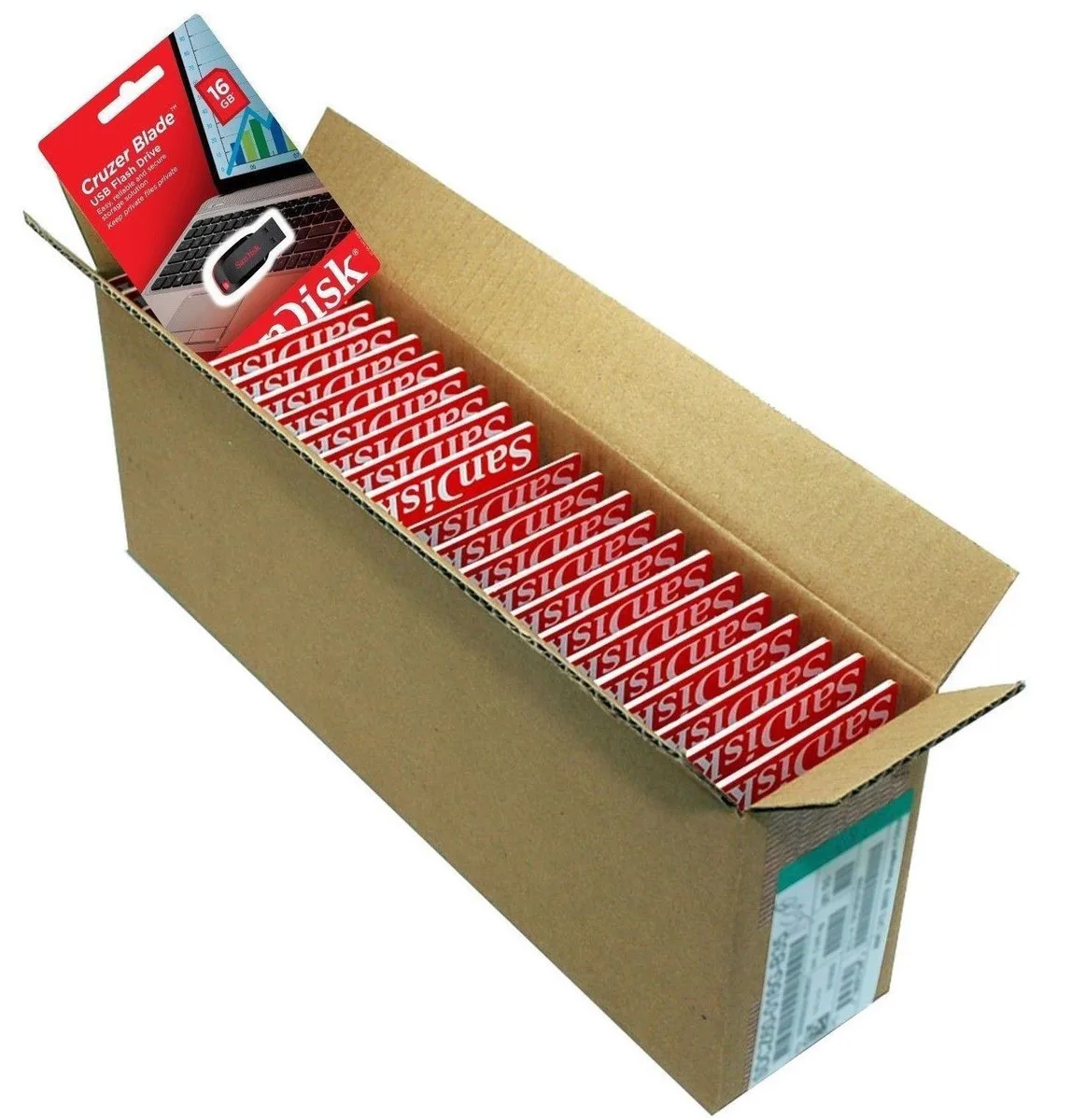
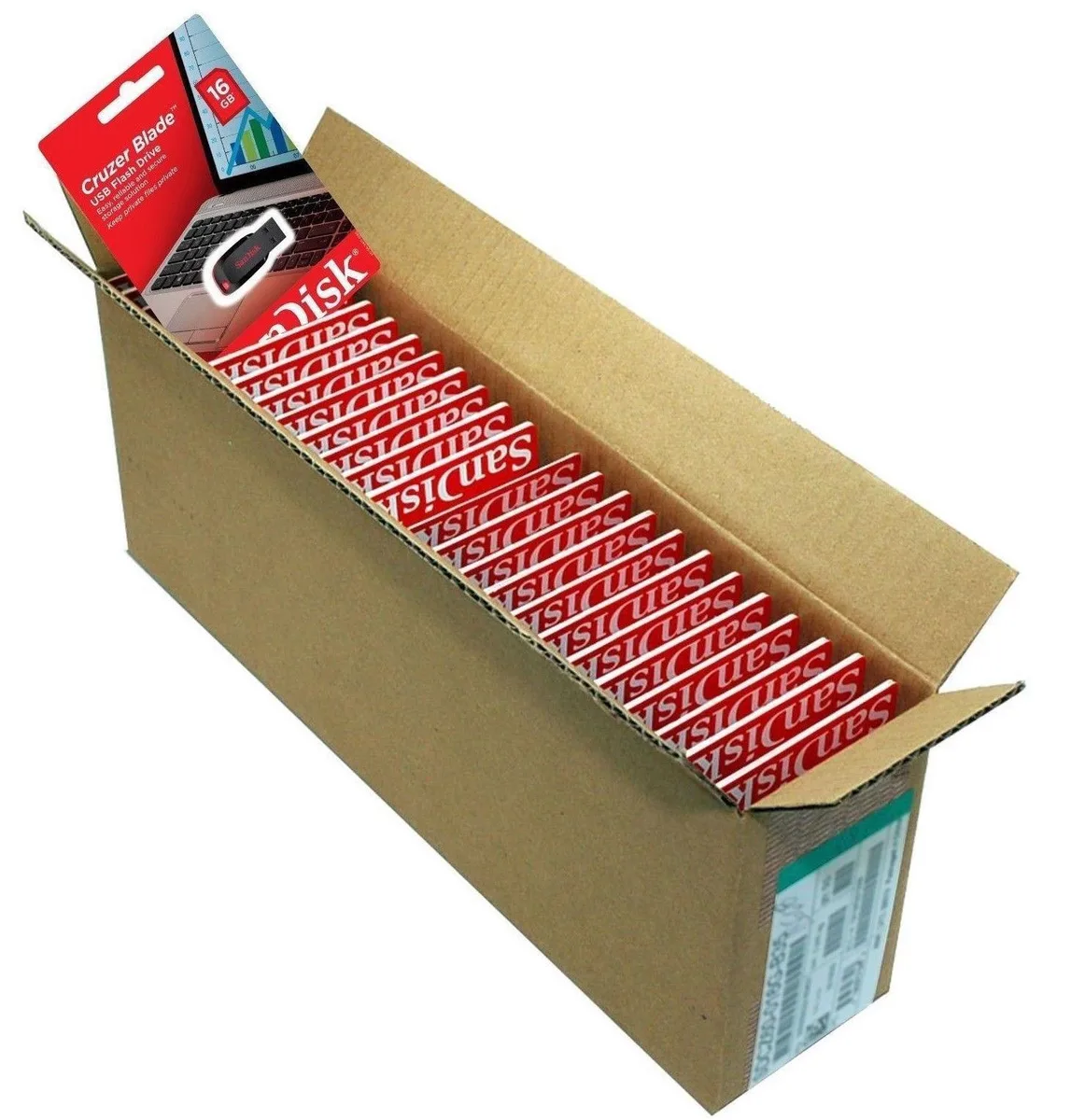
SanDisk Cruzer Blade 8 GB USB 2.0 USB flash drive Black SDCZ50-008G-B35
391,99 USD
0.00500607BTC
Yra sandėlyjePriimame kriptovaliutą — taip monetos, kurias turite, gali nupirkti tikrą techniką.Mokėkite kriptovaliuta, išleiskite ją tikrai technikai. Nemokamas apdraustas pristatymas visame pasaulyje virš 399 $. Paprastos, be žymų siuntos dėžės, siunčiamos iš Vokietijos.Nemokamas apdraustas pristatymas virš 399 $. Jūsų kursas fiksuojamas 30 minučių, kai tik prasideda atsiskaitymas.Kursas fiksuojamas 30 minučių. Kiekvienas gaminys užplombuotas, jo serijos numeris patikrintas, ir jam taikoma 24 mėnesių garantija.Užplombuota, 24 mėnesių garantija.


Pimoroni
Measures temperature, pressure and humidity over I2C with selectable 0x76 or 0x77 address, Qwiic/STEMMA QT connector and 3.3V or 5V compatibility
The Pimoroni PIM472 is a breakout board built around the Bosch BME280 sensor that measures temperature, barometric pressure and relative humidity. It connects through an I2C bus with a selectable address of 0x76 or 0x77 and includes a Qwiic/STEMMA QT connector for solderless wiring. The board works at 3.3 V or 5 V and matches the Raspberry Pi GPIO pinout on pins 1, 3, 5, 7 and 9.
Developers who need local temperature, pressure and humidity readings for home monitoring, weather stations or Homebridge integration will find the board straightforward to use with the provided Python library. It is not suited for applications that require gas detection, particulate measurement or an onboard microcontroller to log data without a host board.
The only hardware setting that determines whether the sensor responds on 0x76 or 0x77 is the ADDR trace on the PCB; cutting it changes the address so two boards can share the same bus. Confirm the required address before soldering or cutting, because the trace cannot be restored once severed.
Šiai prekei specifikacijos dar nepaskelbtos.
Keep 0x76 if this is the only BME280 on the bus; cut the trace to switch to 0x77 when a second device already occupies 0x76.
The sensor returns calibrated temperature in degrees Celsius, barometric pressure in hectopascals, and relative humidity in percent.
The connector carries 3.3 V power and I2C signals only, so the board must be daisy-chained on a 3.3 V bus and cannot be used with 5 V logic without a level shifter.
Taip pat šiame skyriuje
Ta pati lentyna, tas pats atsiskaitymas — aštuonios monetos ir 30 minučių fiksuotas kursas.
Tai, kuo mokate, ir valiuta, kuria matote kainas.
Išsiunčiama iš Jūsų piniginės atsiskaitant
Tik rodoma — katalogo kainos nurodytos doleriais
Tokios valiutos nerasta.
Pasirinkite kalbą, kuria Jums kalbės svetainė.
Tokios kalbos nerasta.
Pirmą kartą čia?
Jau turite paskyrą?
Automatinio atstatymo nėra: ši parduotuvė nesiunčia jokių el. laiškų, todėl nėra jokios vienkartinės nuorodos, kurios būtų galima paprašyti. Palikite adresą paskyroje, ir juo bus pasirūpinta rankiniu būdu.
Prašymas užfiksuotas
Į Jūsų pašto dėžutę niekas nekeliauja — ši parduotuvė apskritai nesiunčia jokių el. laiškų. Šiuos prašymus kažkas peržiūri rankiniu būdu.
Prisiminėte?