SanDisk
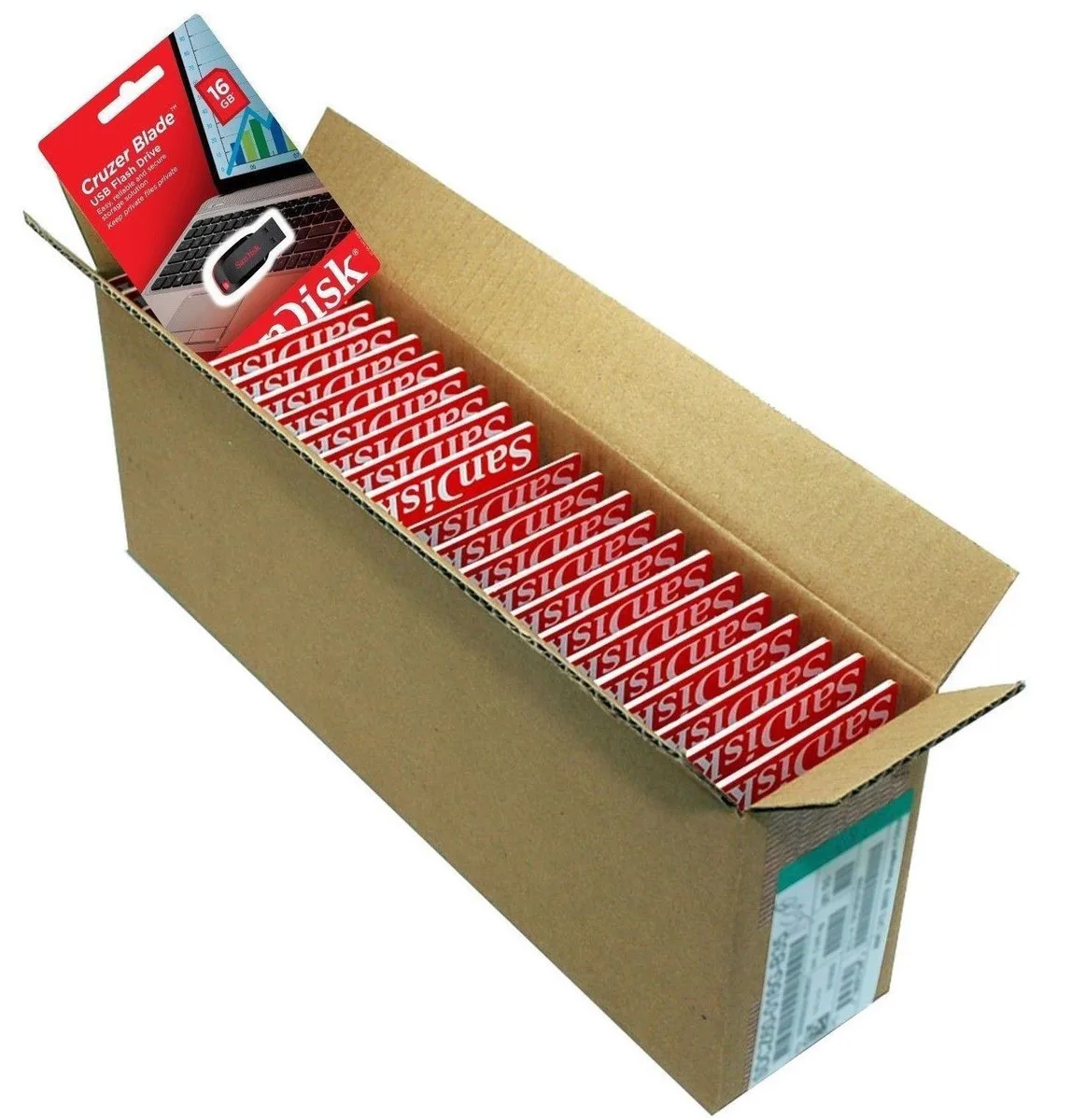
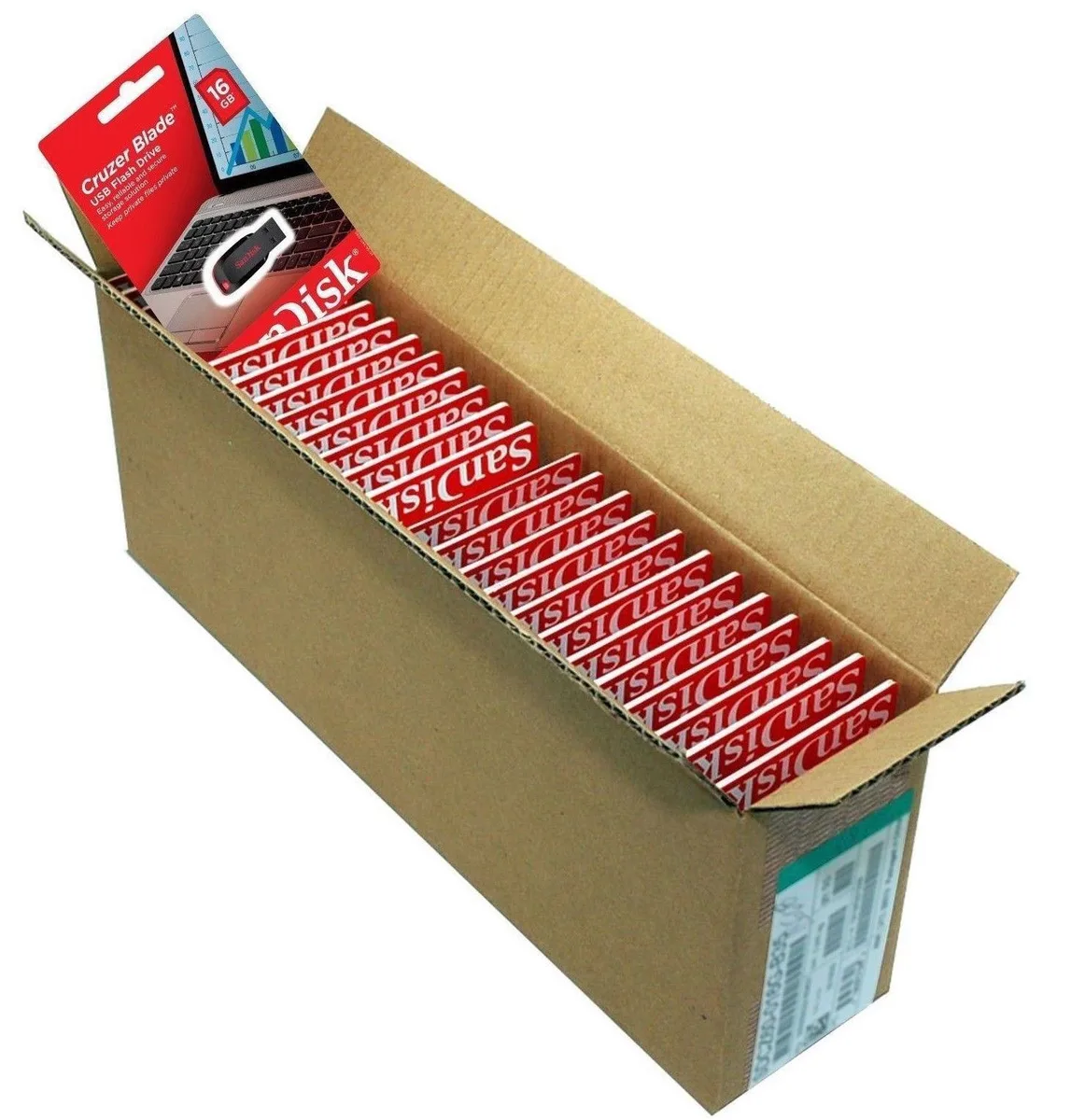
SanDisk Cruzer Blade 8 GB USB 2.0 USB flash drive Black SDCZ50-008G-B35
391,99 USD
0.00500607BTC
DostępnyAkceptujemy kryptowaluty — posiadane środki można więc wykorzystać na zakup prawdziwego sprzętu.Płatność kryptowalutą — realny sprzęt w zamian. Bezpłatna, ubezpieczona dostawa na całym świecie powyżej 399 $. Neutralne kartony, bez oznaczeń, wysyłane z Niemiec.Bezpłatna, ubezpieczona dostawa powyżej 399 $. Kurs zostaje zablokowany na 30 minut od otwarcia kasy.Kurs zablokowany na 30 minut. Każdy produkt jest fabrycznie zapieczętowany, jego numer seryjny jest sprawdzany, a całość objęta jest 24-miesięczną gwarancją.Zapieczętowane fabrycznie, 24 miesiące gwarancji.


Pimoroni
Measures temperature, pressure and humidity over I2C with selectable 0x76 or 0x77 address, Qwiic/STEMMA QT connector and 3.3V or 5V compatibility
The Pimoroni PIM472 is a breakout board built around the Bosch BME280 sensor that measures temperature, barometric pressure and relative humidity. It connects through an I2C bus with a selectable address of 0x76 or 0x77 and includes a Qwiic/STEMMA QT connector for solderless wiring. The board works at 3.3 V or 5 V and matches the Raspberry Pi GPIO pinout on pins 1, 3, 5, 7 and 9.
Developers who need local temperature, pressure and humidity readings for home monitoring, weather stations or Homebridge integration will find the board straightforward to use with the provided Python library. It is not suited for applications that require gas detection, particulate measurement or an onboard microcontroller to log data without a host board.
The only hardware setting that determines whether the sensor responds on 0x76 or 0x77 is the ADDR trace on the PCB; cutting it changes the address so two boards can share the same bus. Confirm the required address before soldering or cutting, because the trace cannot be restored once severed.
Na razie brak opublikowanej specyfikacji tego produktu.
Keep 0x76 if this is the only BME280 on the bus; cut the trace to switch to 0x77 when a second device already occupies 0x76.
The sensor returns calibrated temperature in degrees Celsius, barometric pressure in hectopascals, and relative humidity in percent.
The connector carries 3.3 V power and I2C signals only, so the board must be daisy-chained on a 3.3 V bus and cannot be used with 5 V logic without a level shifter.
Także w tym dziale
Ten sam dział, ta sama kasa — osiem kryptowalut i 30-minutowa blokada kursu.
Waluta płatności i waluta wyświetlania cen.
Wysyłane z portfela przy kasie
Tylko podgląd — katalog wyceniony jest w dolarach
Brak pasującej waluty.
Wybierz język, w którym wyświetla się strona.
Brak pasującego języka.
Pierwsza wizyta?
Konto już założone?
Nie ma automatycznego resetowania hasła: ten sklep nie wysyła żadnych e-maili, więc nie ma jednorazowego linku, o który można by poprosić. Adres pozostawiony przy koncie zostanie obsłużony ręcznie.
Zgłoszenie zapisane
Do skrzynki odbiorczej nic nie trafi — ten sklep nie wysyła żadnych e-maili. Zgłoszenia są obsługiwane ręcznie.
Hasło się przypomniało?