SanDisk
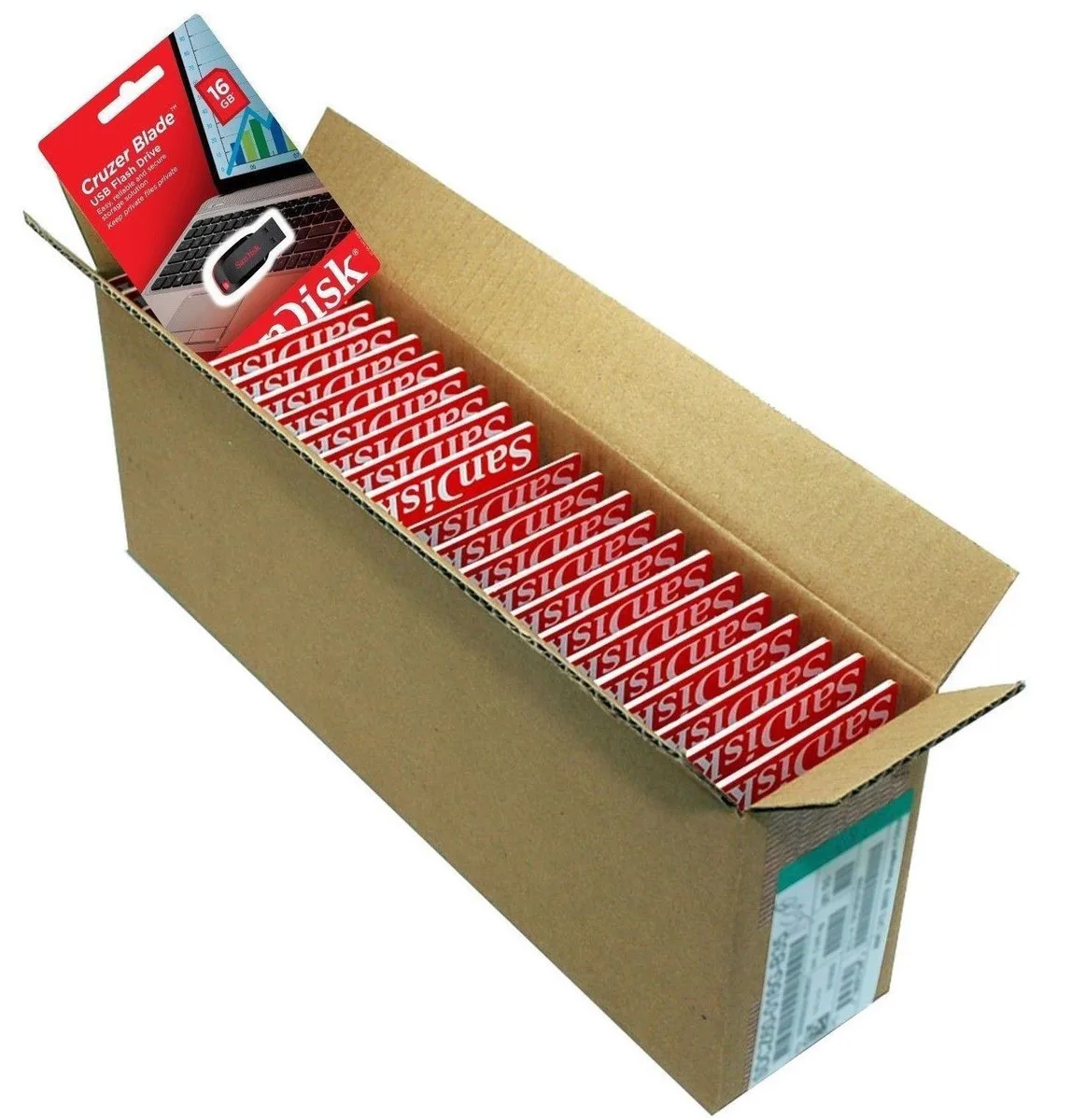
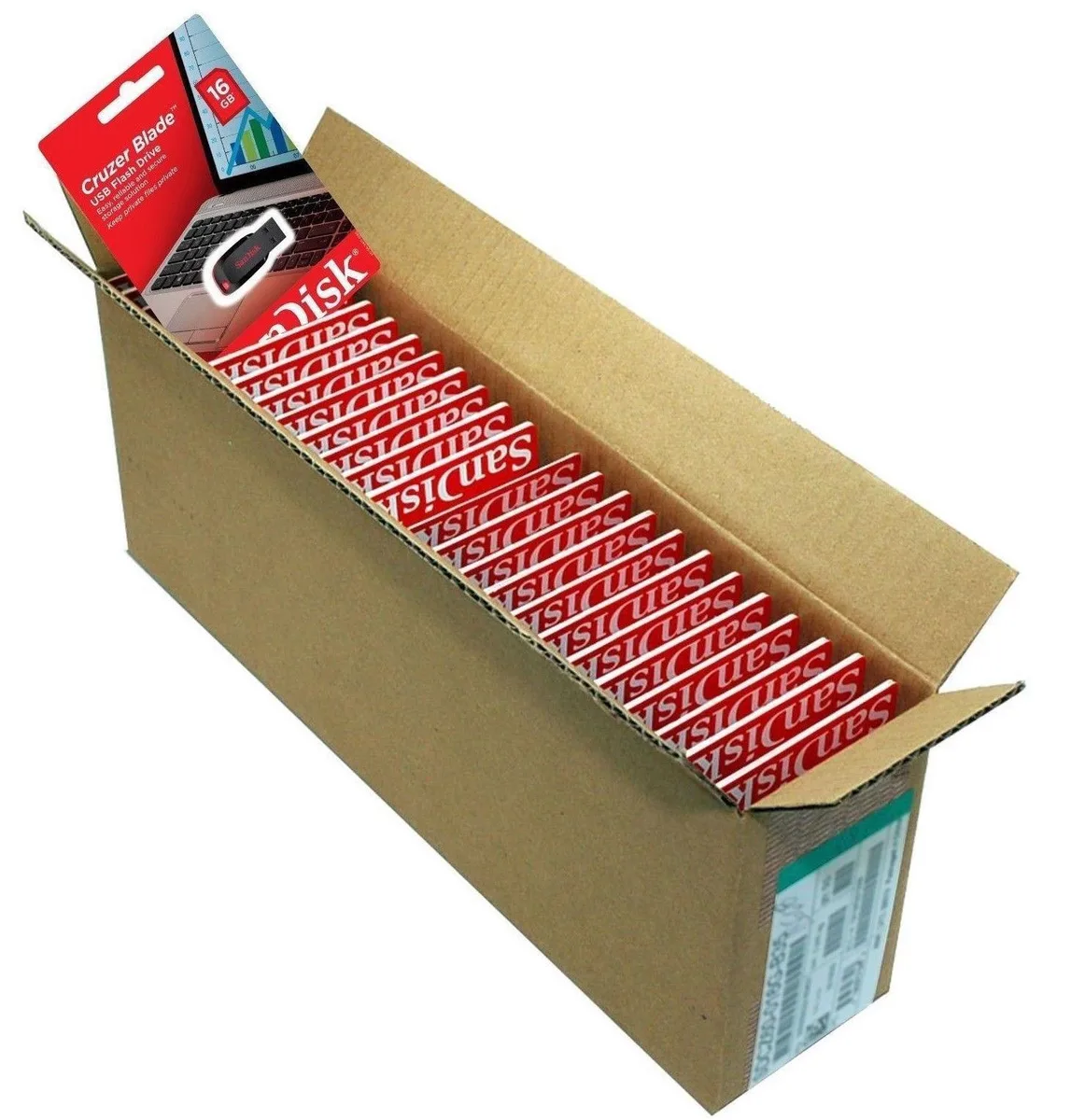
SanDisk Cruzer Blade 8 GB USB 2.0 USB flash drive Black SDCZ50-008G-B35
391,99 $
0.00501696BTC
VarastossaHyväksymme kryptoa — hallussasi olevat kolikot voivat näin ostaa oikeaa laitteistoa.Maksa kryptolla, käytä se oikeaan laitteistoon. Ilmainen vakuutettu toimitus maailmanlaajuisesti yli 399 $. Neutraalit, tuotemerkittömät ulkopakkaukset, lähetetään Saksasta.Ilmainen vakuutettu toimitus yli 399 $. Kurssisi lukitaan 30 minuutiksi heti, kun kassa avautuu.Kurssi lukittu 30 minuutiksi. Jokainen tuote on sinetöity, sen sarjanumero on tarkistettu, ja sillä on 24 kuukauden takuu.Sinetöity, 24 kuukauden takuu.


Pimoroni
Measures temperature, pressure and humidity over I2C with selectable 0x76 or 0x77 address, Qwiic/STEMMA QT connector and 3.3V or 5V compatibility
The Pimoroni PIM472 is a breakout board built around the Bosch BME280 sensor that measures temperature, barometric pressure and relative humidity. It connects through an I2C bus with a selectable address of 0x76 or 0x77 and includes a Qwiic/STEMMA QT connector for solderless wiring. The board works at 3.3 V or 5 V and matches the Raspberry Pi GPIO pinout on pins 1, 3, 5, 7 and 9.
Developers who need local temperature, pressure and humidity readings for home monitoring, weather stations or Homebridge integration will find the board straightforward to use with the provided Python library. It is not suited for applications that require gas detection, particulate measurement or an onboard microcontroller to log data without a host board.
The only hardware setting that determines whether the sensor responds on 0x76 or 0x77 is the ADDR trace on the PCB; cutting it changes the address so two boards can share the same bus. Confirm the required address before soldering or cutting, because the trace cannot be restored once severed.
Tälle tuotteelle ei ole vielä julkaistu teknisiä tietoja.
Keep 0x76 if this is the only BME280 on the bus; cut the trace to switch to 0x77 when a second device already occupies 0x76.
The sensor returns calibrated temperature in degrees Celsius, barometric pressure in hectopascals, and relative humidity in percent.
The connector carries 3.3 V power and I2C signals only, so the board must be daisy-chained on a 3.3 V bus and cannot be used with 5 V logic without a level shifter.
Myös tällä osastolla
Sama osasto, sama kassa — kahdeksan kryptovaluuttaa ja 30 minuutin kurssilukko.
Valuutta, jolla maksetaan, sekä valuutta, jossa hinnat näytetään.
Lähetetään lompakostasi kassalla
Vain näyttöä varten — hinnat ovat Yhdysvaltain dollareissa
Valuuttaa ei löytynyt.
Valitse kieli, jolla sivusto puhuu sinulle.
Ei vastaavaa kieltä.
Uusi täällä?
Onko sinulla jo tili?
Automaattista palautusta ei ole: kauppa ei lähetä sähköpostia lainkaan, joten kertakäyttöistä linkkiä ei ole mistä pyytää. Jätä osoite tilille, niin se käsitellään käsin.
Pyyntö kirjattu
Mikään ei ole tulossa sähköpostiisi — tämä kauppa ei lähetä sähköpostia lainkaan. Joku käsittelee nämä pyynnöt käsin.
Muistitko sen?