

NEMIX RAM
NEMIX RAM DDR5-5600 2TB (16x128GB) ECC RDIMM CL46 1.1V Supermicro H14SST-G memory upgrade
- 2TB (16 x 128GB)
- 288-Pin DDR5 RDIMM
62 908,99 $
0.81289318BTC
KrājumāMēs pieņemam kriptovalūtu — lai tā, kas Jums pieder, varētu nopirkt īstu aparatūru.Maksājiet kriptovalūtā, iztērējiet to īstai aparatūrai. Bezmaksas apdrošināta piegāde visā pasaulē virs 399 $. Vienkāršas, nemarķētas kastes, sūtītas no Vācijas.Bezmaksas apdrošināta piegāde virs 399 $. Jūsu kurss tiek fiksēts uz 30 minūtēm, tiklīdz atveras kase.Kurss fiksēts uz 30 minūtēm. Katra prece ir aizzīmogota, tās sērijas numurs ir pārbaudīts, un uz to attiecas 24 mēnešu garantija.Aizzīmogots, 24 mēnešu garantija.
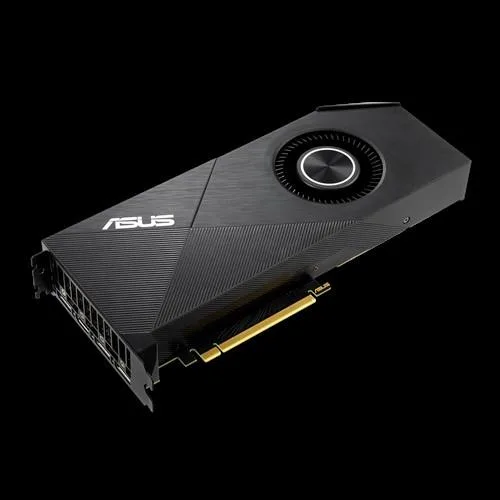


ASUS
A GeForce RTX 2080 with 8 GB GDDR6 memory, 2944 CUDA cores, a 1740 MHz boost clock and a 260 W TDP in a blower-style cooler for multi-GPU builds
This graphics card uses the NVIDIA RTX architecture with 2944 CUDA cores and 8GB GDDR6 memory on a 256-bit bus. It is built for users who need reliable compute performance in multi-GPU systems or cases with restricted airflow. The Turbo design focuses on exhausting heat directly out of the chassis rear. A 260W TDP requires a suitably rated power supply.
The card installs into a standard PCIe 3.0 x16 slot and occupies two expansion brackets at the rear. Its blower-style cooler exhausts hot air out the back, which helps in tight builds but demands good case ventilation to prevent heat buildup. Ensure the power connectors are fully seated and that no cables obstruct the intake side of the shroud. Driver installation follows the standard NVIDIA package for the RTX 2080.
Under continuous load the GPU maintains its 1740 MHz boost clock within the 260W thermal limit. The radial fan spins faster to move air through the heatsink and out the rear vent, which raises acoustic output compared to open-air coolers. Memory runs at 14 Gbps across the 256-bit interface without throttling in typical gaming or compute workloads. Temperatures stabilise higher than open-air designs but remain within specification.
| Thermal Design Power | 260W |
|---|
Use GPU monitoring software such as GPU-Z or MSI Afterburner to observe the core frequency under a 3D load; the sensor should report speeds approaching 1740 MHz when the card is operating within its 260 W power limit and thermal targets.
The card ships only with the graphics board itself; you must supply two 8-pin PCIe power connectors from your power supply to meet the 260 W TDP requirement.
Compare the factory boost clock — this Turbo EVO model reaches 1740 MHz versus the 1710 MHz reference — along with the blower-style cooler designed for multi-GPU or restricted-airflow chassis.
Arī šajā sadaļā
Tas pats plaukts, tā pati kase — astoņas kriptovalūtas un kursa fiksēšana uz 30 minūtēm.
Kriptovalūta, kurā maksājat, un valūta, kurā redzat cenas.
Nosūtīts no Jūsu maciņa, noformējot pasūtījumu
Tikai informatīvi — katalogā cenas norādītas ASV dolāros
Neviena valūta neatbilst.
Izvēlieties valodu, kurā vietne sarunājas ar Jums.
Pirmo reizi šeit?
Jau ir konts?
Automātiskas atiestatīšanas nav: šis veikals nesūta e-pastus, tāpēc nav arī vienreizējas saites, ko pieprasīt. Atstājiet adresi kontā, un tā tiks apstrādāta manuāli.
Pieprasījums saņemts
Uz Jūsu e-pastu nekas neatnāks — šis veikals vispār nesūta e-pastus. Kāds šos pieprasījumus apstrādā manuāli.
Atcerējāties?


