SanDisk
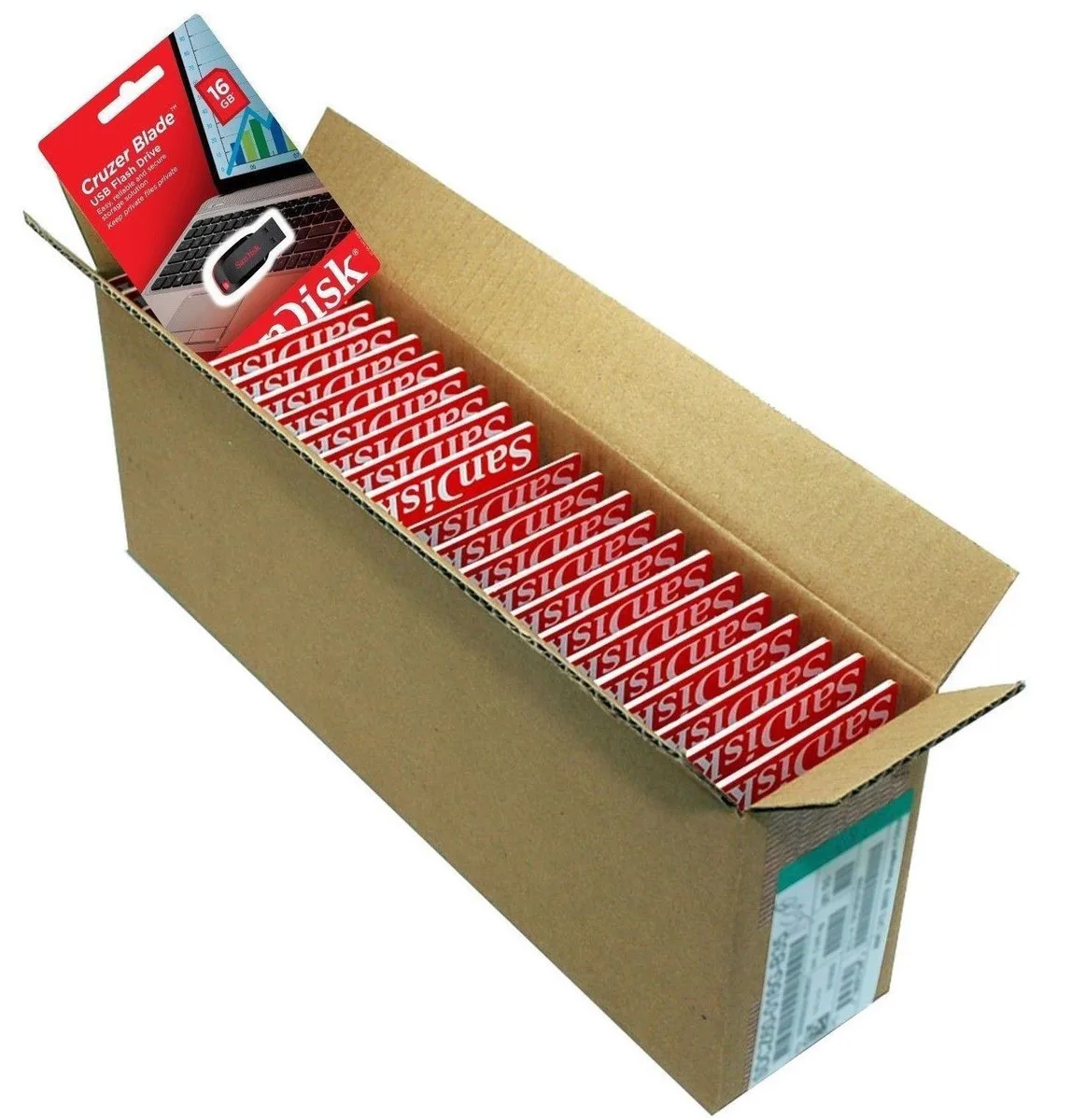
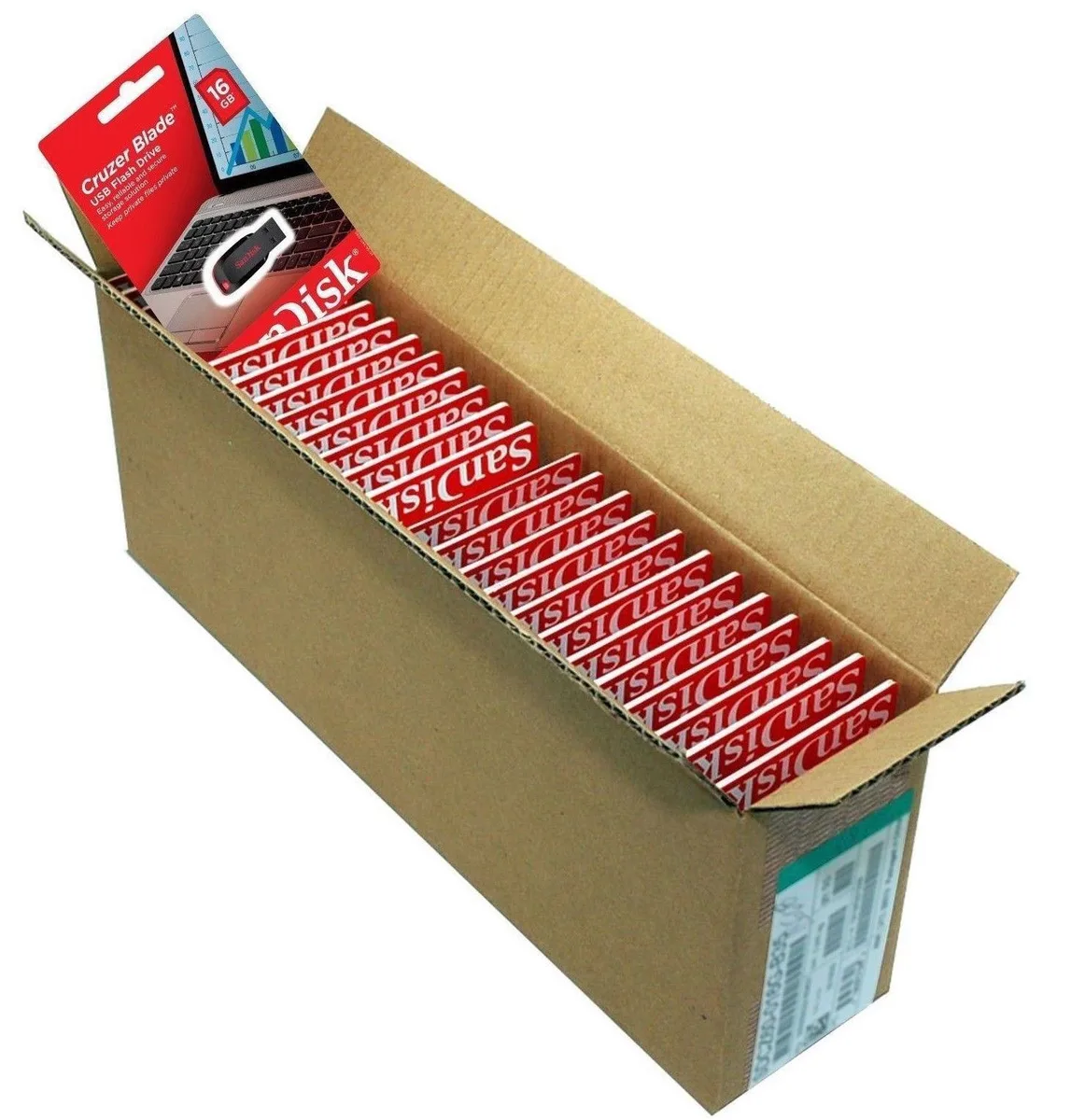
SanDisk Cruzer Blade 8 GB USB 2.0 USB flash drive Black SDCZ50-008G-B35
391,99 $
0.00502069BTC
KrājumāMēs pieņemam kriptovalūtu — lai tā, kas Jums pieder, varētu nopirkt īstu aparatūru.Maksājiet kriptovalūtā, iztērējiet to īstai aparatūrai. Bezmaksas apdrošināta piegāde visā pasaulē virs 399 $. Vienkāršas, nemarķētas kastes, sūtītas no Vācijas.Bezmaksas apdrošināta piegāde virs 399 $. Jūsu kurss tiek fiksēts uz 30 minūtēm, tiklīdz atveras kase.Kurss fiksēts uz 30 minūtēm. Katra prece ir aizzīmogota, tās sērijas numurs ir pārbaudīts, un uz to attiecas 24 mēnešu garantija.Aizzīmogots, 24 mēnešu garantija.


LORDWORLD
ESP32-C3FN4 board with 2.4 GHz Wi-Fi and Bluetooth 5, 4 MB Flash, 400 KB SRAM, 15 GPIO pins and USB-C
The LORDWORLD ESP32-C3FN4 board combines a 32-bit single-core processor running at 160MHz with 2.4GHz Wi-Fi 802.11 b/g/n and Bluetooth 5 LE in a castellated module. It provides 400KB SRAM, 384KB ROM and 4MB Flash for firmware and data storage. Fifteen GPIO pins expose 3 SPI, 1 I2C, 2 UART, 1 I2S and 2 ADC channels for sensor and actuator integration. A USB-C port supplies power and a full-speed serial interface for programming and debug.
Flexible clock control and independent module power-supply settings let the SoC scale frequency and voltage to match workload demands. The onboard ceramic antenna maintains wireless connectivity while the processor idles or runs at reduced speed. This architecture targets long-term battery-powered deployments where duty-cycled sensor reads and occasional network bursts dominate the duty cycle. Thermal load remains minimal because the single core does not sustain high-frequency compute for extended periods.
The 2.4GHz radio supports only 802.11 b/g/n rates, so throughput caps well below modern 5GHz or 6GHz bands. Bluetooth 5 LE provides low-energy links but not classic audio profiles. Fifteen GPIOs restrict simultaneous high-speed SPI, I2S and ADC usage; developers must multiplex functions when peripheral count grows. The USB-C connector carries USB 2.0 full-speed serial only, not high-speed bulk endpoints or video alternate modes.
| Brand | LORDWORLD |
|---|
The RISC-V single-core processor supports flexible clock and independent module power supply settings to achieve low power consumption in different scenarios.
A host computer with a USB Type-C cable and a development environment such as ESP-IDF or Arduino IDE is required to program the board.
Yes, the board supports 2.4GHz Wi-Fi 802.11 b/g/n and Bluetooth 5 LE, so it will connect to legacy routers while using its 15 configurable GPIO pins for peripherals.
Arī šajā sadaļā
Tas pats plaukts, tā pati kase — astoņas kriptovalūtas un kursa fiksēšana uz 30 minūtēm.
Kriptovalūta, kurā maksājat, un valūta, kurā redzat cenas.
Nosūtīts no Jūsu maciņa, noformējot pasūtījumu
Tikai informatīvi — katalogā cenas norādītas ASV dolāros
Neviena valūta neatbilst.
Izvēlieties valodu, kurā vietne sarunājas ar Jums.
Neviena valoda neatbilst.
Pirmo reizi šeit?
Jau ir konts?
Automātiskas atiestatīšanas nav: šis veikals nesūta e-pastus, tāpēc nav arī vienreizējas saites, ko pieprasīt. Atstājiet adresi kontā, un tā tiks apstrādāta manuāli.
Pieprasījums saņemts
Uz Jūsu e-pastu nekas neatnāks — šis veikals vispār nesūta e-pastus. Kāds šos pieprasījumus apstrādā manuāli.
Atcerējāties?