SanDisk
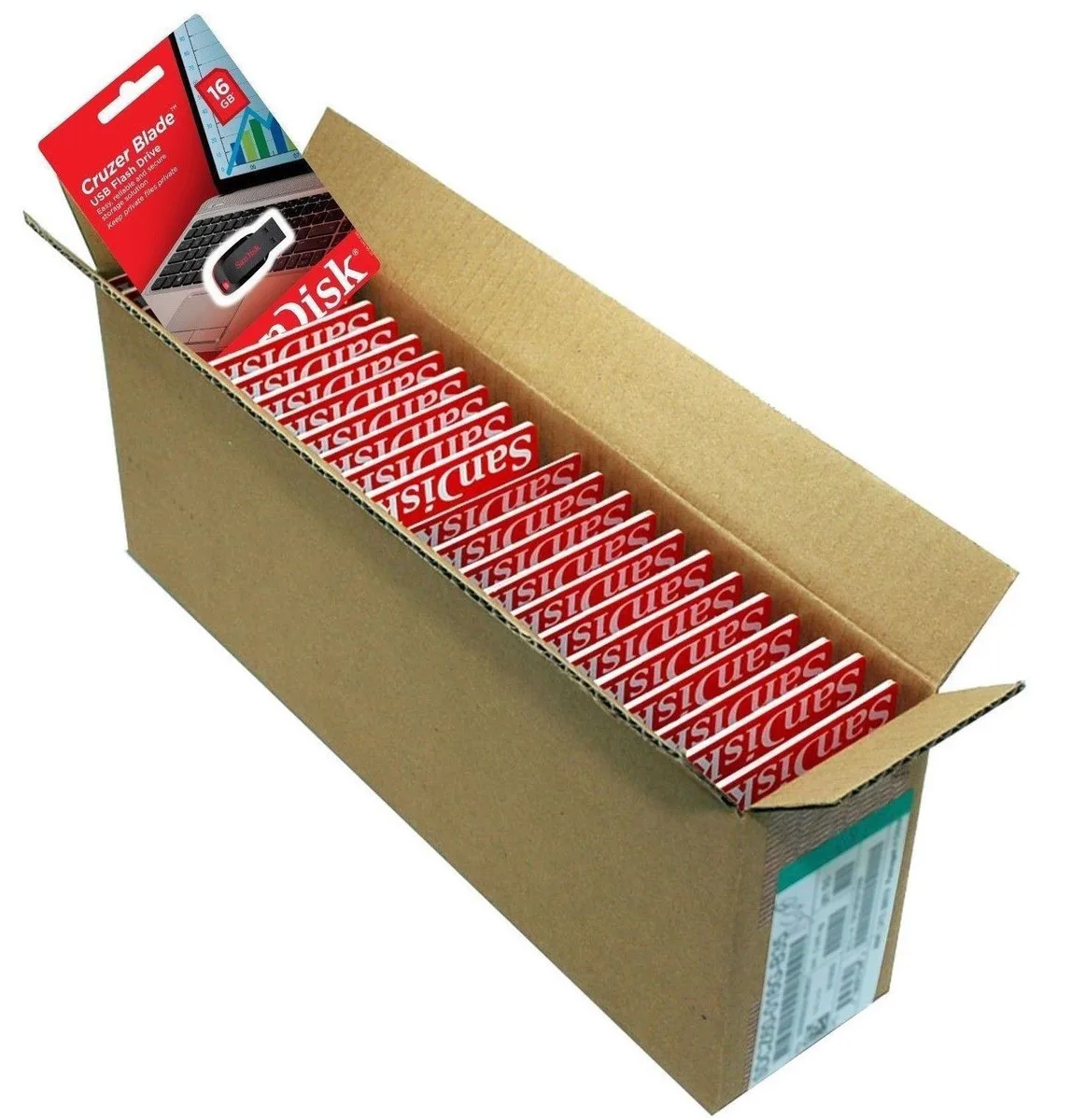
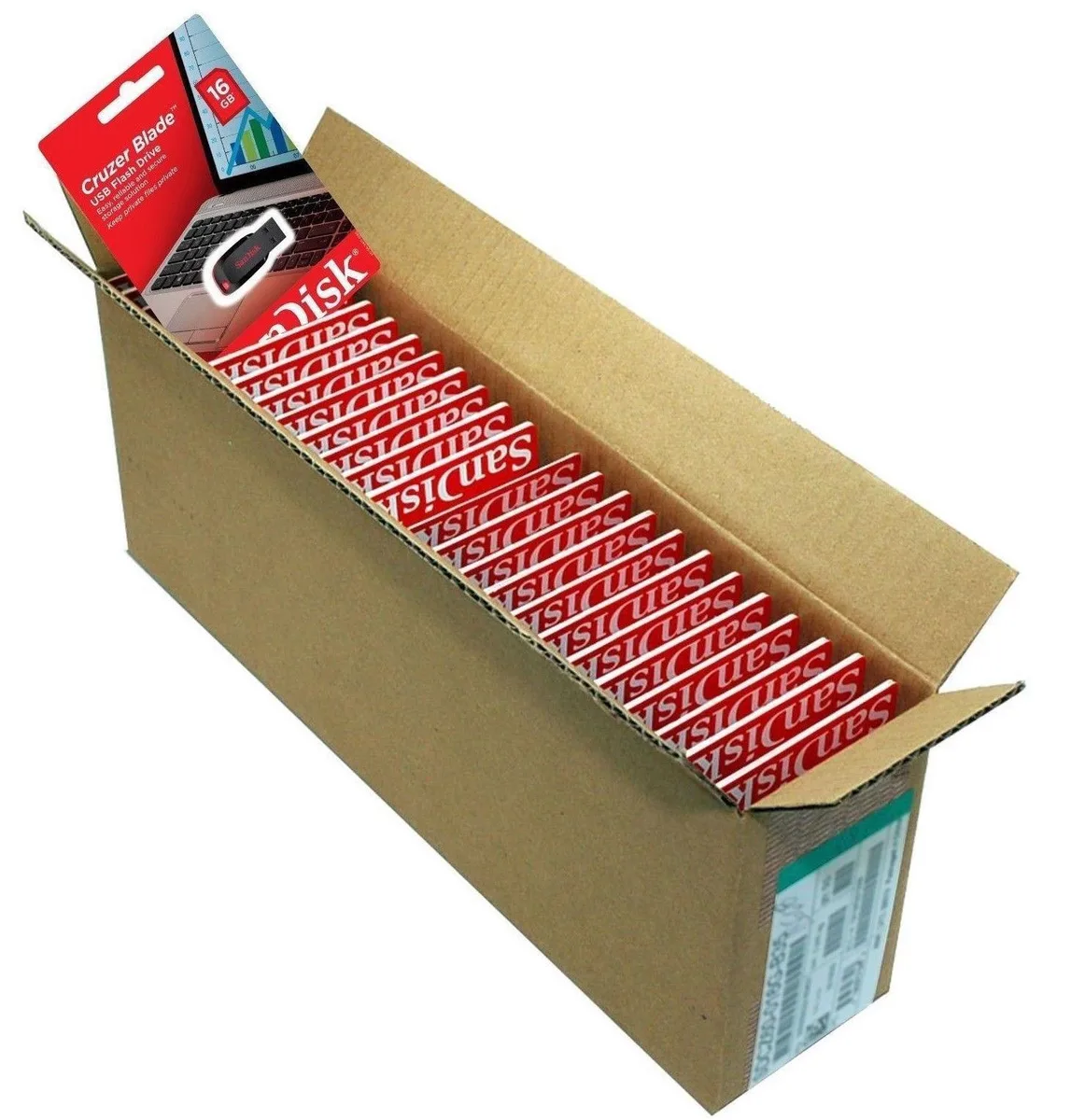
SanDisk Cruzer Blade 8 GB USB 2.0 USB flash drive Black SDCZ50-008G-B35
391,99 USD
0.00501811BTC
DisponibileAccettiamo criptovalute — così le crypto che Lei possiede possono comprare hardware reale.Paghi in crypto, la spenda in hardware reale. Spedizione assicurata gratuita in tutto il mondo oltre i 399 $. Cartoni neutri, senza marchio, spediti dalla Germania.Spedizione assicurata gratuita oltre i 399 $. Il Suo tasso resta bloccato per 30 minuti dall’apertura del checkout.Tasso bloccato 30 minuti. Ogni articolo è sigillato, il numero di serie è verificato, ed è coperto da una garanzia di 24 mesi.Sigillato, garantito 24 mesi.


LORDWORLD
ESP32-C3FN4 board with 2.4 GHz Wi-Fi and Bluetooth 5, 4 MB Flash, 400 KB SRAM, 15 GPIO pins and USB-C
The LORDWORLD ESP32-C3FN4 board combines a 32-bit single-core processor running at 160MHz with 2.4GHz Wi-Fi 802.11 b/g/n and Bluetooth 5 LE in a castellated module. It provides 400KB SRAM, 384KB ROM and 4MB Flash for firmware and data storage. Fifteen GPIO pins expose 3 SPI, 1 I2C, 2 UART, 1 I2S and 2 ADC channels for sensor and actuator integration. A USB-C port supplies power and a full-speed serial interface for programming and debug.
Flexible clock control and independent module power-supply settings let the SoC scale frequency and voltage to match workload demands. The onboard ceramic antenna maintains wireless connectivity while the processor idles or runs at reduced speed. This architecture targets long-term battery-powered deployments where duty-cycled sensor reads and occasional network bursts dominate the duty cycle. Thermal load remains minimal because the single core does not sustain high-frequency compute for extended periods.
The 2.4GHz radio supports only 802.11 b/g/n rates, so throughput caps well below modern 5GHz or 6GHz bands. Bluetooth 5 LE provides low-energy links but not classic audio profiles. Fifteen GPIOs restrict simultaneous high-speed SPI, I2S and ADC usage; developers must multiplex functions when peripheral count grows. The USB-C connector carries USB 2.0 full-speed serial only, not high-speed bulk endpoints or video alternate modes.
| Brand | LORDWORLD |
|---|
The RISC-V single-core processor supports flexible clock and independent module power supply settings to achieve low power consumption in different scenarios.
A host computer with a USB Type-C cable and a development environment such as ESP-IDF or Arduino IDE is required to program the board.
Yes, the board supports 2.4GHz Wi-Fi 802.11 b/g/n and Bluetooth 5 LE, so it will connect to legacy routers while using its 15 configurable GPIO pins for peripherals.
Anche in questo reparto
Stesso reparto, stessa cassa — otto monete e un cambio bloccato per 30 minuti.
Cosa invia per pagare, e in quale valuta legge i prezzi.
Inviato dal Suo portafoglio alla cassa
Solo a titolo indicativo — il catalogo è espresso in dollari
Nessuna valuta corrisponde.
Scelga la lingua in cui il sito Le parla.
Nessuna lingua corrisponde.
Prima visita?
Ne ha già uno?
Non esiste un ripristino automatico: questo negozio non invia e-mail, quindi non esiste alcun link monouso da richiedere. Lasci l’indirizzo sull’account: verrà gestito manualmente.
Richiesta registrata
Non arriverà nulla nella Sua casella di posta — questo negozio non invia e-mail. Qualcuno se ne occupa manualmente.
L’ha ritrovata?