SanDisk
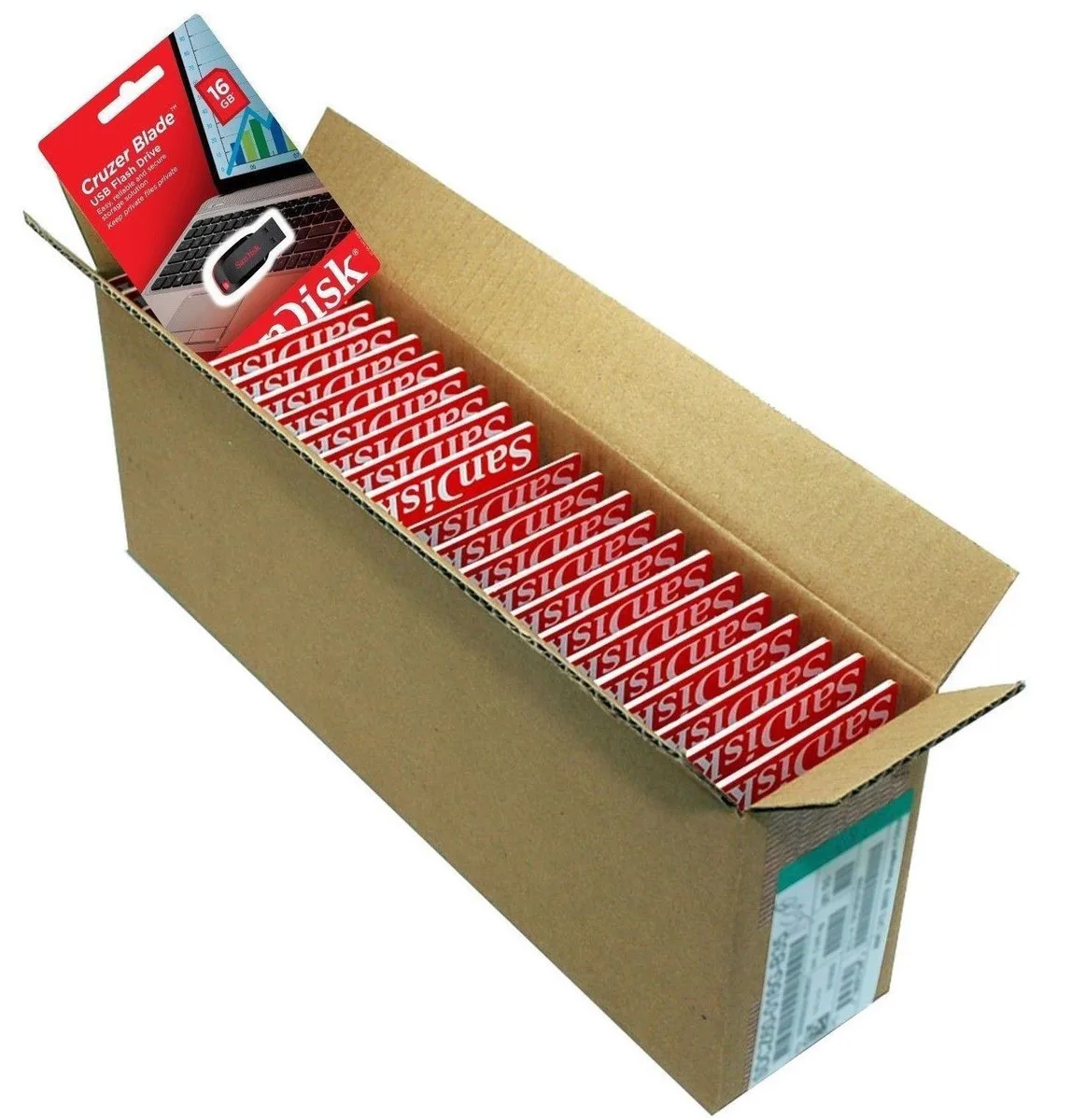
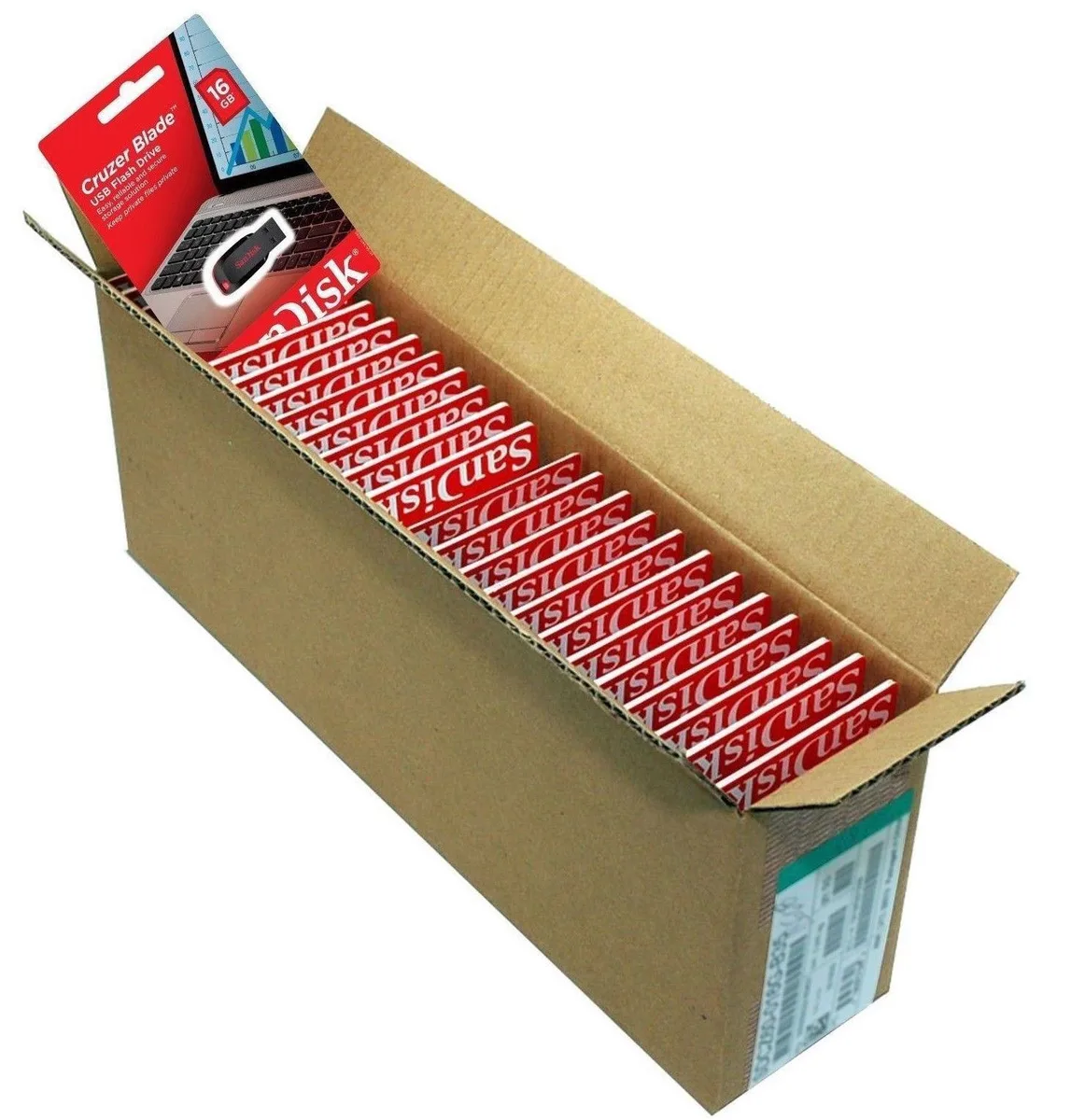
SanDisk Cruzer Blade 8 GB USB 2.0 USB flash drive Black SDCZ50-008G-B35
US$391.99
0.00502435BTC
現貨


LORDWORLD
ESP32-C3FN4 board with 2.4 GHz Wi-Fi and Bluetooth 5, 4 MB Flash, 400 KB SRAM, 15 GPIO pins and USB-C
The LORDWORLD ESP32-C3FN4 board combines a 32-bit single-core processor running at 160MHz with 2.4GHz Wi-Fi 802.11 b/g/n and Bluetooth 5 LE in a castellated module. It provides 400KB SRAM, 384KB ROM and 4MB Flash for firmware and data storage. Fifteen GPIO pins expose 3 SPI, 1 I2C, 2 UART, 1 I2S and 2 ADC channels for sensor and actuator integration. A USB-C port supplies power and a full-speed serial interface for programming and debug.
Flexible clock control and independent module power-supply settings let the SoC scale frequency and voltage to match workload demands. The onboard ceramic antenna maintains wireless connectivity while the processor idles or runs at reduced speed. This architecture targets long-term battery-powered deployments where duty-cycled sensor reads and occasional network bursts dominate the duty cycle. Thermal load remains minimal because the single core does not sustain high-frequency compute for extended periods.
The 2.4GHz radio supports only 802.11 b/g/n rates, so throughput caps well below modern 5GHz or 6GHz bands. Bluetooth 5 LE provides low-energy links but not classic audio profiles. Fifteen GPIOs restrict simultaneous high-speed SPI, I2S and ADC usage; developers must multiplex functions when peripheral count grows. The USB-C connector carries USB 2.0 full-speed serial only, not high-speed bulk endpoints or video alternate modes.
| Brand | LORDWORLD |
|---|
The RISC-V single-core processor supports flexible clock and independent module power supply settings to achieve low power consumption in different scenarios.
A host computer with a USB Type-C cable and a development environment such as ESP-IDF or Arduino IDE is required to program the board.
Yes, the board supports 2.4GHz Wi-Fi 802.11 b/g/n and Bluetooth 5 LE, so it will connect to legacy routers while using its 15 configurable GPIO pins for peripherals.
同類商品
同一分類,同一套結帳流程 — 支援八種加密貨幣,匯率鎖定 30 分鐘。
您支付所用的幣種,以及查看價格所用的貨幣。
結帳時由您的錢包發送
僅供顯示 — 商品目錄以美元計價
查無符合的貨幣。
請選擇網站使用的語言。
查無符合的語言。
初次造訪?
已經有帳戶了嗎?
本店沒有自動重設密碼的機制:由於不寄送電子郵件,也就沒有一次性連結可供申請。只要將地址留在帳戶中,之後將由專人處理。
請求已收到
不會有任何郵件寄到您的信箱 — 本商店完全不寄送電子郵件。會有人親自處理這些申請。
想起來了嗎?