

NEMIX RAM
NEMIX RAM DDR5-5600 2TB (16x128GB) ECC RDIMM CL46 1.1V Supermicro H14SST-G memory upgrade
- 2TB (16 x 128GB)
- 288-Pin DDR5 RDIMM
62 908,99 USD
0.79289384BTC
På lagerVi tar imot kryptovaluta — slik kan kryptovalutaene du eier, kjøpe ekte maskinvare.Betal med krypto, bruk den på ekte maskinvare. Gratis, forsikret levering verden over for bestillinger over 399 $. Nøytrale kartonger uten merking, sendt fra Tyskland.Gratis, forsikret levering over 399 $. Kursen din er låst i 30 minutter når kassen åpnes.Kurs låst i 30 minutter. Alle varer er forseglet, serienummerkontrollert og dekket av 24 måneders garanti.Forseglet, 24 måneders garanti.


LORDWORLD
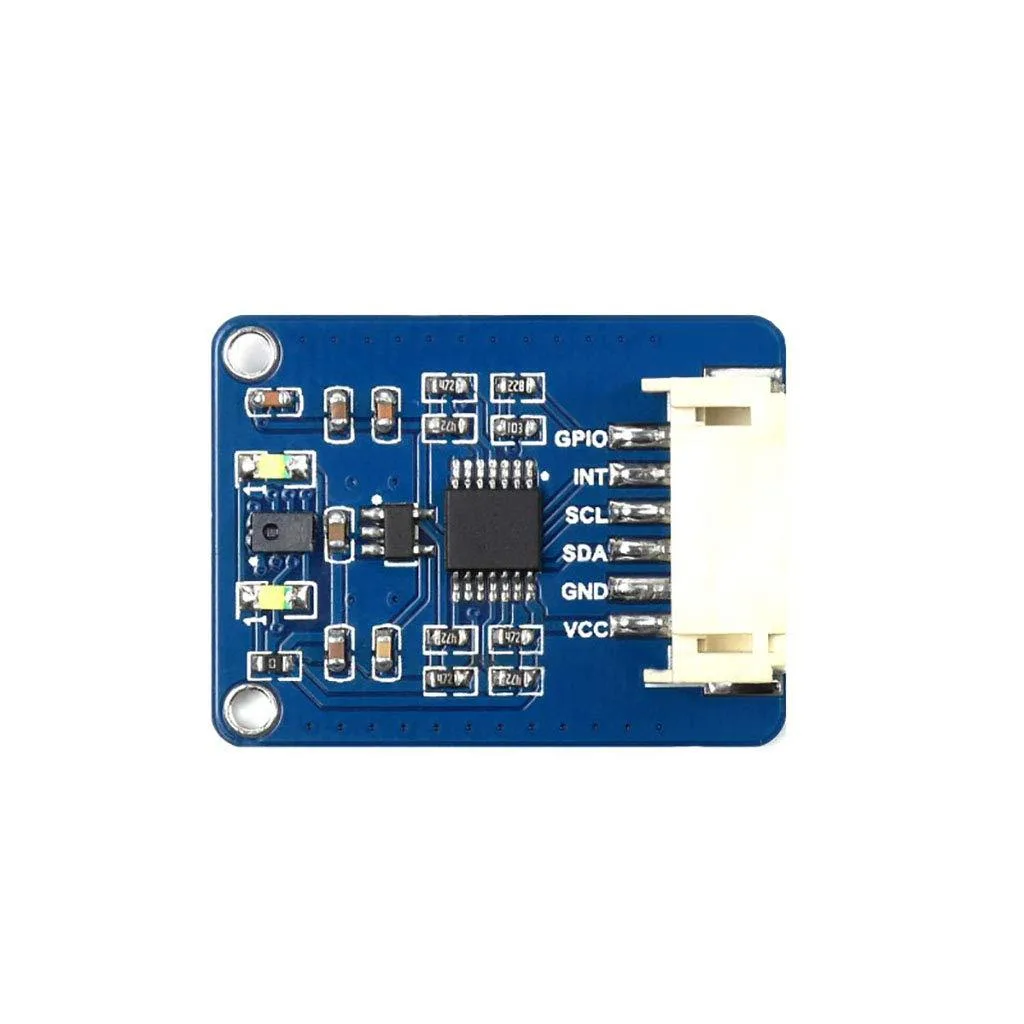
Spectral development board with AS7341 sensor, 16-bit ADCs, flicker detection, onboard LEDs and 3.3 V logic compatibility
The LORDWORLD AS7341 development board integrates a multi-channel spectral color sensor for visible and near-infrared light analysis. It targets makers and engineers building IoT edge devices that require precise colour detection or ambient light flicker monitoring. The module communicates via I2C and includes onboard voltage translation for 3.3V and 5V logic compatibility.
Unlike simple three-channel RGB modules, this board provides eight visible spectrum channels plus a near-infrared and a clear channel for richer spectral data. Six independent 16-bit ADCs process signals in parallel, and a dedicated flicker detection channel captures light modulation at specific frequencies. The jump is worth it when your application demands higher colour resolution or needs to characterise light source quality.
Verify that your Raspberry Pi, STM32, or other host exposes an I2C bus and can supply either 3.3V or 5V to the module. Ensure your software stack can address the AS7341 register map and handle interrupt-driven readings from the sensor. The two onboard high-brightness LEDs require host control if used as fill light, so confirm available GPIO pins for that purpose.
| Brand | LORDWORLD |
|---|
The module uses an onboard voltage translator so it works with both 3.3 V and 5 V logic levels and connects through a standard I2C interface.
Connect VCC to 3.3 V or 5 V, GND to ground, then SDA and SCL to the I2C bus; the interrupt and GPIO pins are optional for basic reads.
The high-brightness LEDs are soldered to the board and are not user-replaceable; they are rated for long-term operation as fill lighting.
Også i denne avdelingen
Samme hylle, samme kasse — åtte mynter og 30 minutters kurslås.
Det du betaler med, og det du ser prisene i.
Sendes fra lommeboken din i kassen
Kun visning — katalogen er prissatt i USD
Fant ingen valuta.
Velg språket nettstedet snakker til deg på.
Ny her?
Har du allerede en konto?
Det finnes ingen automatisk tilbakestilling: butikken sender ikke e-post, så det finnes ingen engangslenke å be om. La adressen stå på kontoen, så blir den behandlet manuelt.
Forespørsel registrert
Ingenting er på vei til innboksen din — butikken sender ingen e-post i det hele tatt. Noen behandler dette manuelt.
Husket du det likevel?


