SanDisk
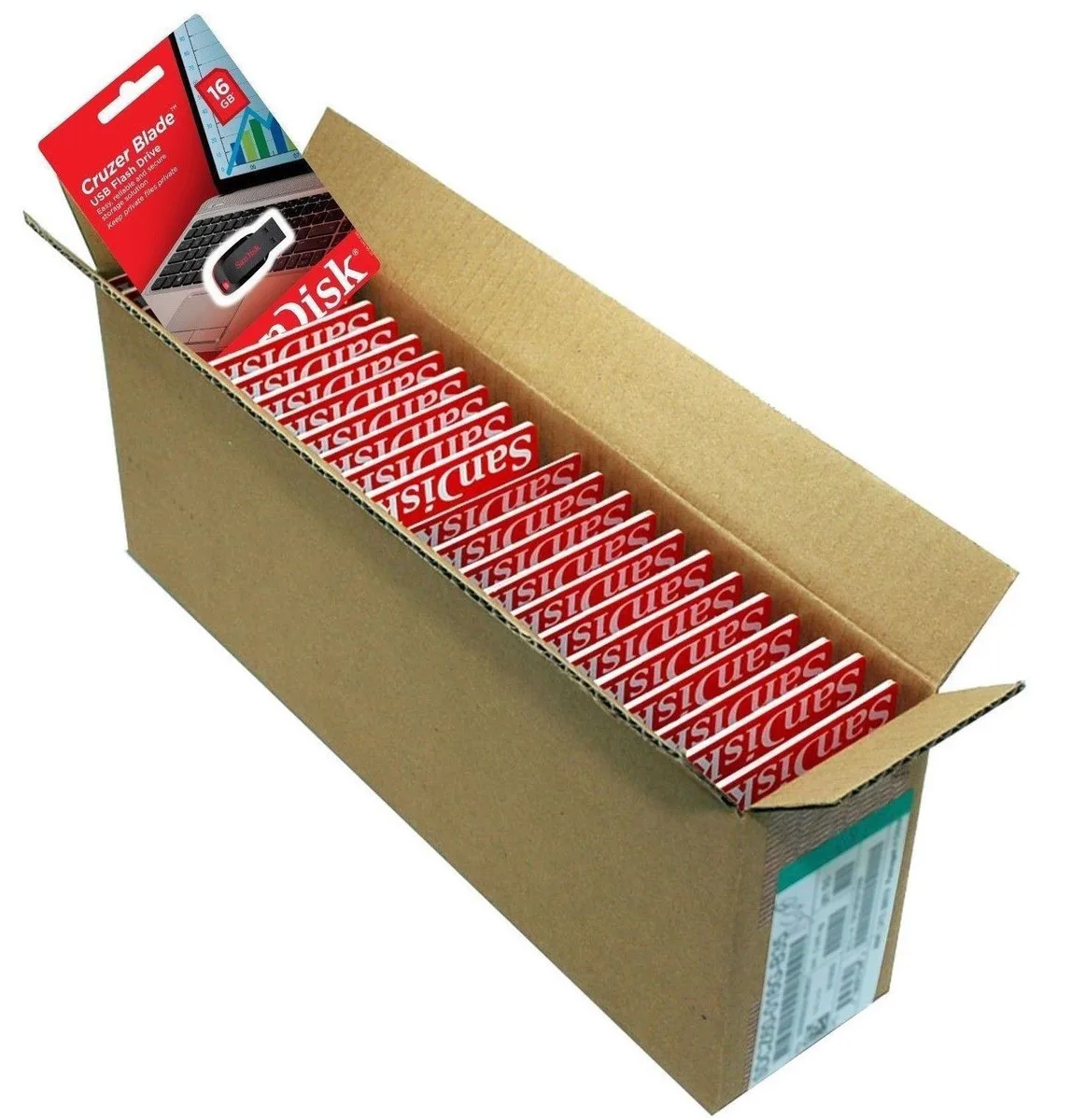
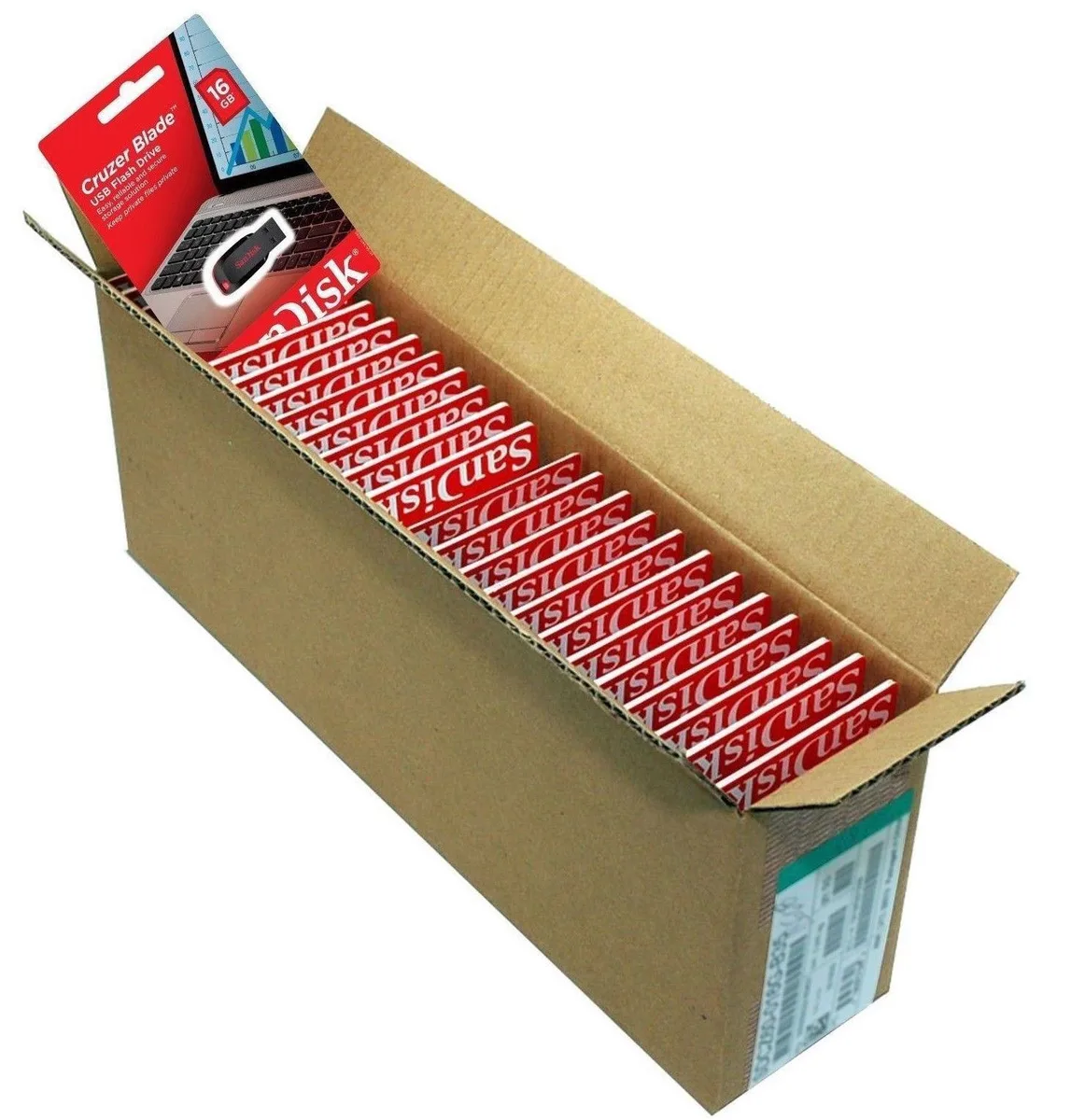
SanDisk Cruzer Blade 8 GB USB 2.0 USB flash drive Black SDCZ50-008G-B35
391,99 USD
0.00501407BTC
Yra sandėlyjePriimame kriptovaliutą — taip monetos, kurias turite, gali nupirkti tikrą techniką.Mokėkite kriptovaliuta, išleiskite ją tikrai technikai. Nemokamas apdraustas pristatymas visame pasaulyje virš 399 $. Paprastos, be žymų siuntos dėžės, siunčiamos iš Vokietijos.Nemokamas apdraustas pristatymas virš 399 $. Jūsų kursas fiksuojamas 30 minučių, kai tik prasideda atsiskaitymas.Kursas fiksuojamas 30 minučių. Kiekvienas gaminys užplombuotas, jo serijos numeris patikrintas, ir jam taikoma 24 mėnesių garantija.Užplombuota, 24 mėnesių garantija.


Pimoroni
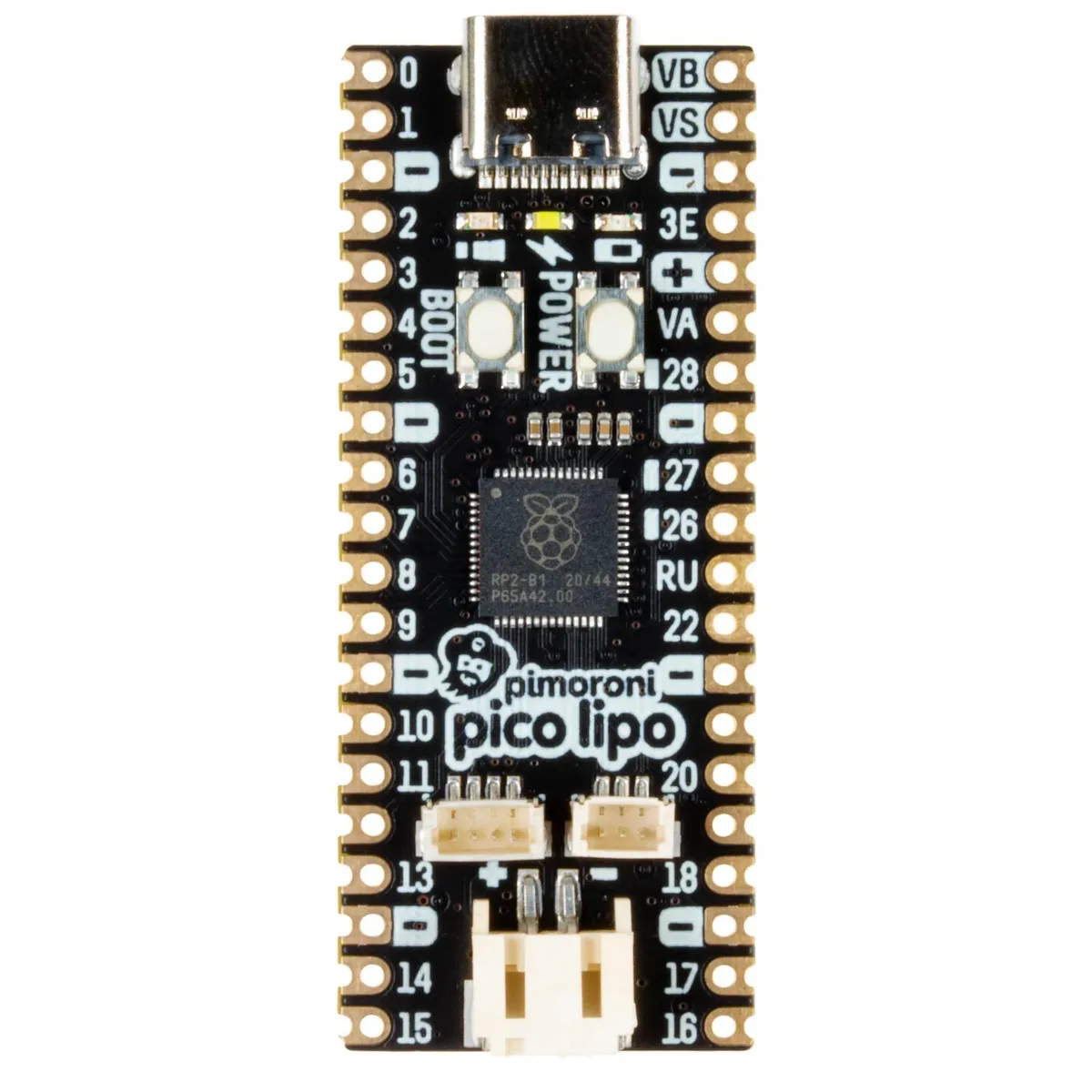
RP2040 microcontroller board with 16 MB flash, USB-C power and programming, onboard LiPo charging at 215 mA, and a Qwiic/STEMMA QT connector for solderless sensor add-ons
The Pimoroni Pico LiPo 16MB is a microcontroller board built around the RP2040 dual ARM Cortex-M0+ processor running at up to 133 MHz. It provides 264 kB of SRAM and 16 MB of QSPI flash with execute-in-place support. The board targets makers who want battery-powered projects with solderless sensor connectivity via a Qwiic/STEMMA QT port.
A USB-C connector supplies power, programming and data. The onboard MCP73831 charger delivers 215 mA to a connected LiPo or LiIon cell while the XB6096I2S protector guards the battery. Two indicator LEDs show the on/off state and charging status so you can monitor power without extra circuitry.
The four-pin Qwiic/STEMMA QT connector lets you attach compatible sensors and breakouts without soldering. A debug connector supports SWD programming for advanced workflows. Onboard BOOTSEL and power buttons give direct control over firmware upload and device power, leaving GPIO pins free for your application.
Šiai prekei specifikacijos dar nepaskelbtos.
Connect the board via the USB-C connector for power and programming, then press the BOOTSEL button while plugging it in to enter USB mass-storage mode for firmware drag-and-drop — this button press is the step most people forget.
The LiPo or LiIon battery connected to the MCP73831 charger will eventually degrade and need replacement; the board itself has no user-serviceable parts.
The MCP73831 charger is rated for 215mA charging current, so the battery will charge at that maximum rate and cannot accept higher current even if the USB-C supply offers more.
Taip pat šiame skyriuje
Ta pati lentyna, tas pats atsiskaitymas — aštuonios monetos ir 30 minučių fiksuotas kursas.
Tai, kuo mokate, ir valiuta, kuria matote kainas.
Išsiunčiama iš Jūsų piniginės atsiskaitant
Tik rodoma — katalogo kainos nurodytos doleriais
Tokios valiutos nerasta.
Pasirinkite kalbą, kuria Jums kalbės svetainė.
Tokios kalbos nerasta.
Pirmą kartą čia?
Jau turite paskyrą?
Automatinio atstatymo nėra: ši parduotuvė nesiunčia jokių el. laiškų, todėl nėra jokios vienkartinės nuorodos, kurios būtų galima paprašyti. Palikite adresą paskyroje, ir juo bus pasirūpinta rankiniu būdu.
Prašymas užfiksuotas
Į Jūsų pašto dėžutę niekas nekeliauja — ši parduotuvė apskritai nesiunčia jokių el. laiškų. Šiuos prašymus kažkas peržiūri rankiniu būdu.
Prisiminėte?