SanDisk
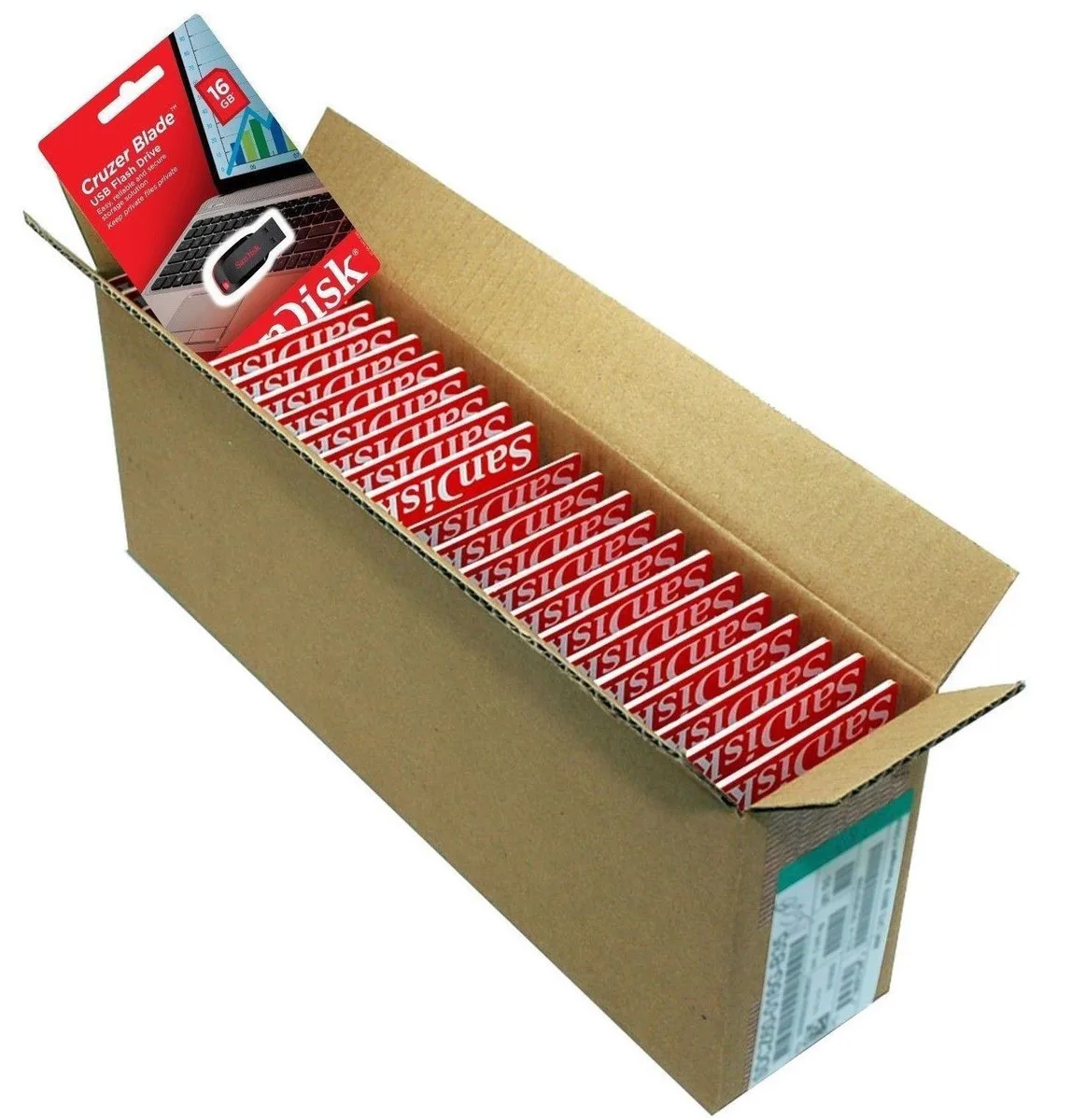
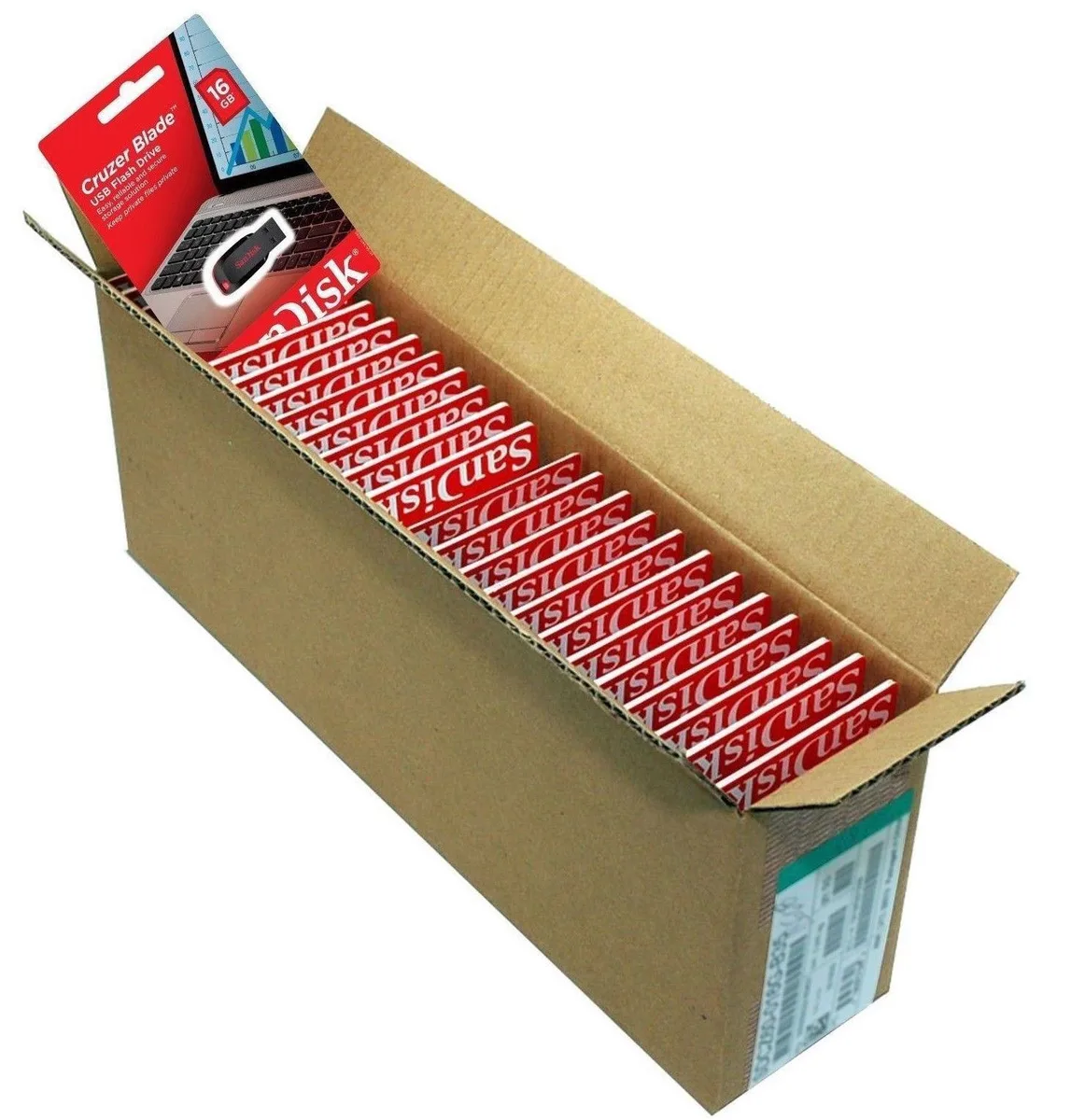
SanDisk Cruzer Blade 8 GB USB 2.0 USB flash drive Black SDCZ50-008G-B35
391,99 US$
0.00501023BTC
En stockAceptamos criptomonedas — así, las criptos que usted tiene pueden comprar hardware real.Pague en cripto y gástela en hardware real. Envío asegurado gratis a nivel mundial a partir de $399. Cajas neutras, sin marca, enviadas desde Alemania.Envío asegurado gratis a partir de $399. Su cotización queda bloqueada 30 minutos en cuanto se abre el pago.Cotización bloqueada 30 minutos. Todos los artículos vienen sellados, con el número de serie verificado y cubiertos por una garantía de 24 meses.Sellado, con 24 meses de garantía.


Pimoroni
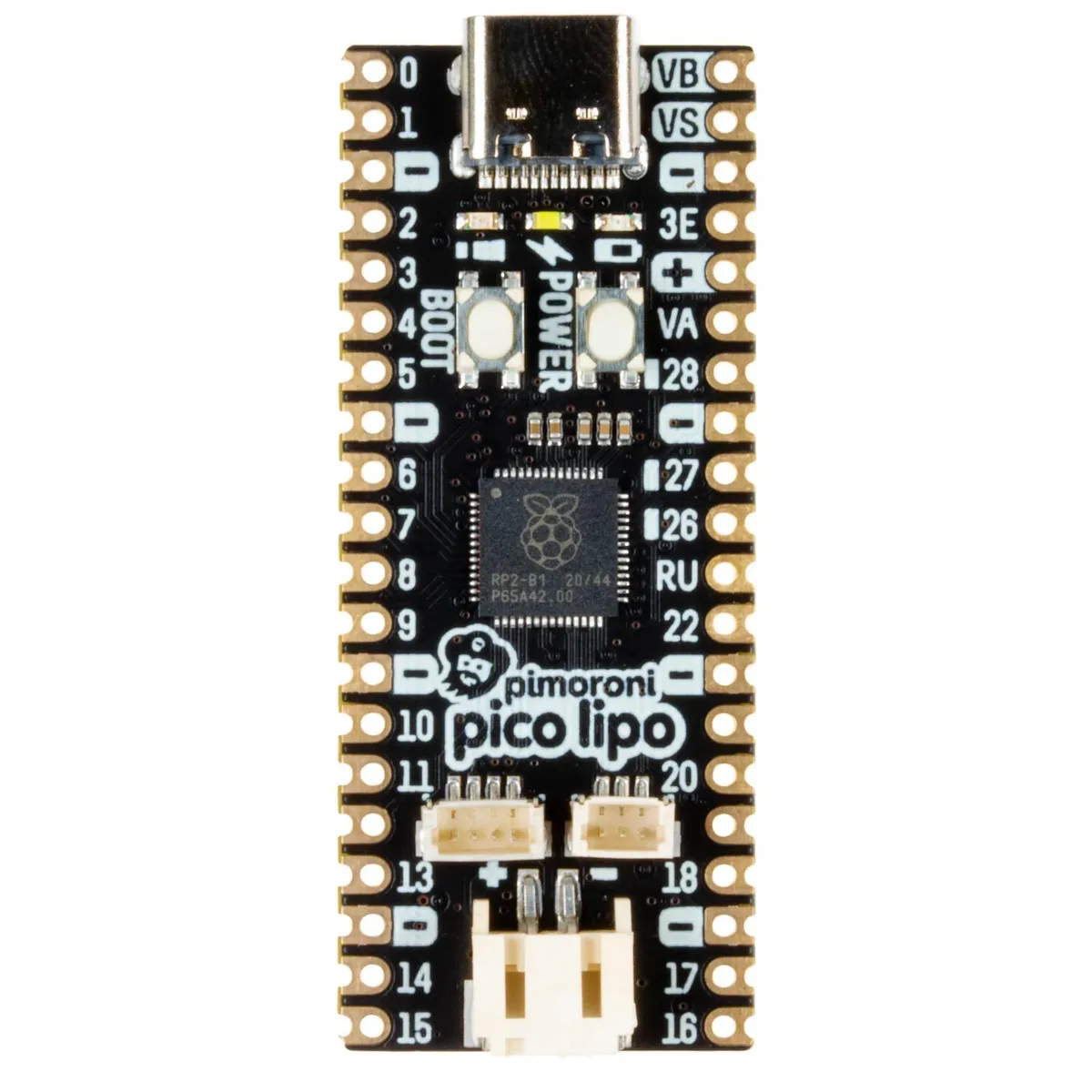
RP2040 microcontroller board with 16 MB flash, USB-C power and programming, onboard LiPo charging at 215 mA, and a Qwiic/STEMMA QT connector for solderless sensor add-ons
The Pimoroni Pico LiPo 16MB is a microcontroller board built around the RP2040 dual ARM Cortex-M0+ processor running at up to 133 MHz. It provides 264 kB of SRAM and 16 MB of QSPI flash with execute-in-place support. The board targets makers who want battery-powered projects with solderless sensor connectivity via a Qwiic/STEMMA QT port.
A USB-C connector supplies power, programming and data. The onboard MCP73831 charger delivers 215 mA to a connected LiPo or LiIon cell while the XB6096I2S protector guards the battery. Two indicator LEDs show the on/off state and charging status so you can monitor power without extra circuitry.
The four-pin Qwiic/STEMMA QT connector lets you attach compatible sensors and breakouts without soldering. A debug connector supports SWD programming for advanced workflows. Onboard BOOTSEL and power buttons give direct control over firmware upload and device power, leaving GPIO pins free for your application.
Aún no hay especificaciones publicadas para este artículo.
Connect the board via the USB-C connector for power and programming, then press the BOOTSEL button while plugging it in to enter USB mass-storage mode for firmware drag-and-drop — this button press is the step most people forget.
The LiPo or LiIon battery connected to the MCP73831 charger will eventually degrade and need replacement; the board itself has no user-serviceable parts.
The MCP73831 charger is rated for 215mA charging current, so the battery will charge at that maximum rate and cannot accept higher current even if the USB-C supply offers more.
También en este pasillo
Mismo estante, mismo pago — ocho criptomonedas y un tipo de cambio fijado 30 minutos.
Lo que usted paga, y la moneda en la que lee los precios.
Se envía desde su billetera al finalizar la compra
Solo informativo — el catálogo está en dólares
Ninguna moneda coincide.
Elija el idioma en el que el sitio le habla.
Ningún idioma coincide.
¿Es nuevo aquí?
¿Ya tiene una?
No existe ningún restablecimiento automático: esta tienda no envía correos electrónicos, así que no hay ningún enlace de un solo uso que solicitar. Deje la dirección asociada a la cuenta y se atenderá de forma manual.
Solicitud registrada
No hay nada de camino a su bandeja de entrada: esta tienda no envía correos en absoluto. Alguien se encarga de esto manualmente.
¿La recordó?