SanDisk
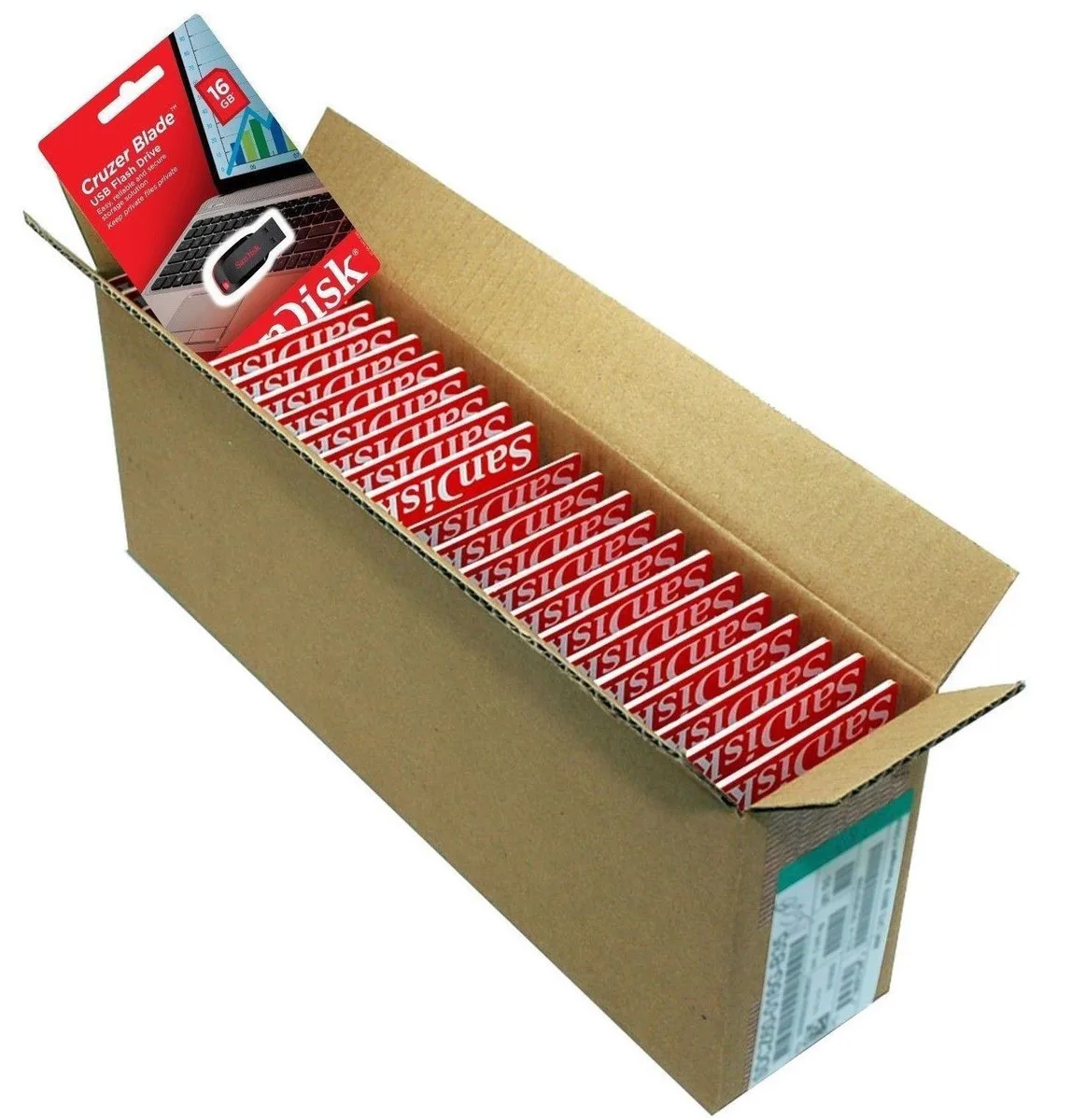
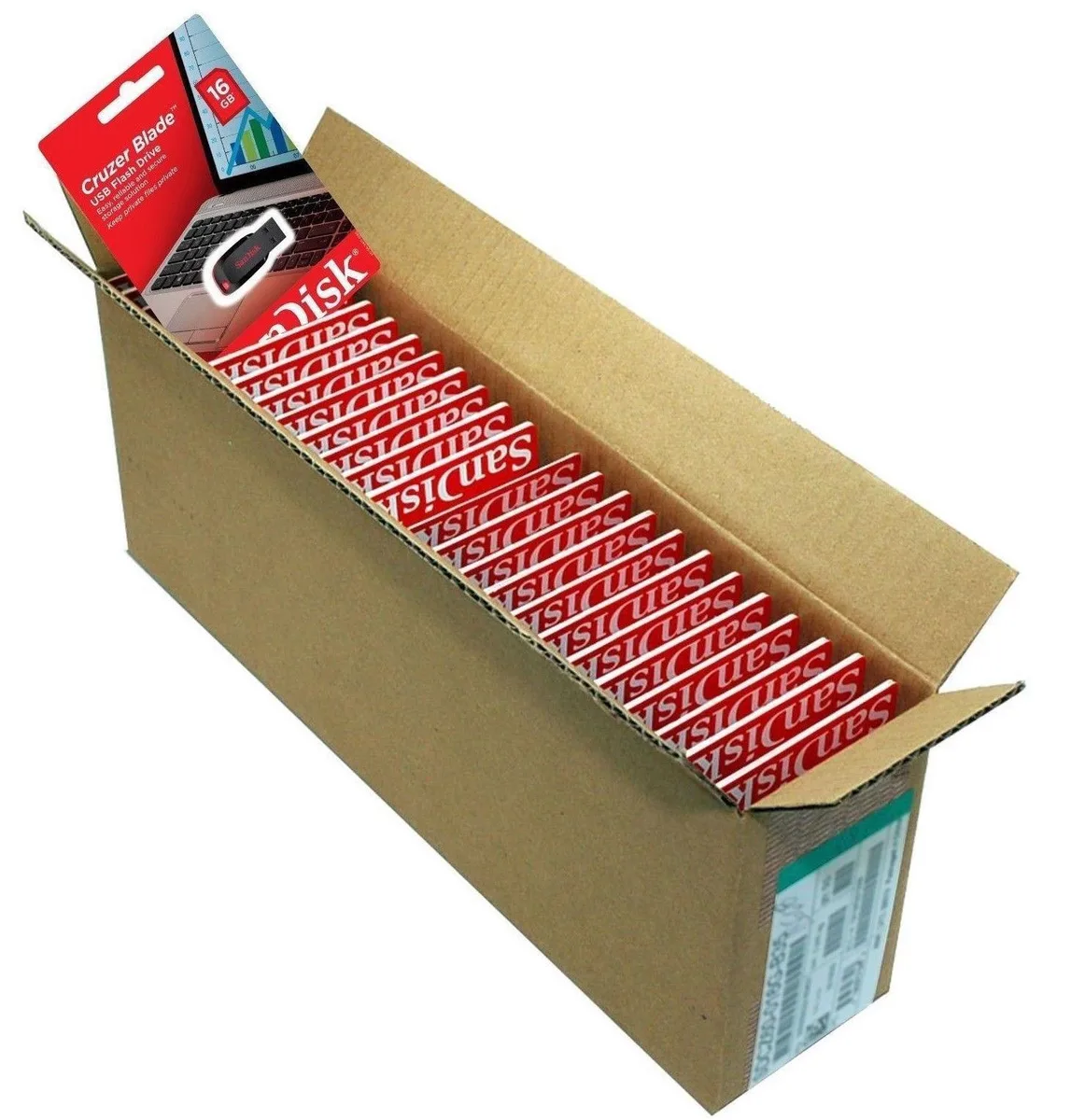
SanDisk Cruzer Blade 8 GB USB 2.0 USB flash drive Black SDCZ50-008G-B35
391,99 USD
0.00501016BTC
În stocAcceptăm criptomonede — astfel, criptomonedele pe care le dețineți pot cumpăra echipamente reale.Plătiți în cripto, cheltuiți-o pe echipamente reale. Livrare asigurată gratuită oriunde în lume peste 399 $. Cartoane neutre, fără marcă, expediate din Germania.Livrare asigurată gratuită peste 399 $. Cursul dumneavoastră este blocat timp de 30 de minute de la deschiderea paginii de plată.Curs blocat 30 de minute. Fiecare articol este sigilat, numărul de serie este verificat, iar produsul este acoperit de o garanție de 24 de luni.Sigilat, garantat 24 de luni.


Pimoroni
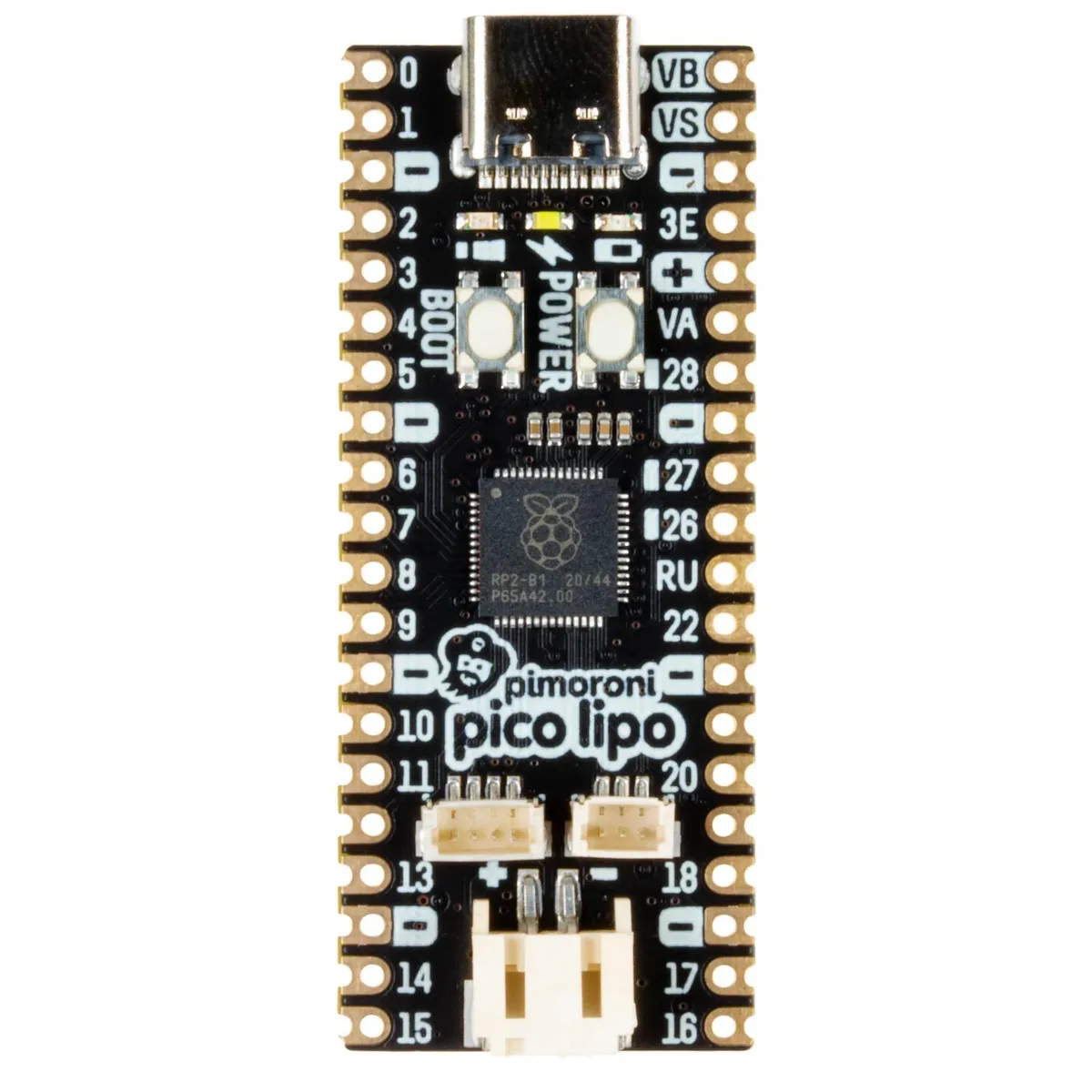
RP2040 microcontroller board with 16 MB flash, USB-C power and programming, onboard LiPo charging at 215 mA, and a Qwiic/STEMMA QT connector for solderless sensor add-ons
The Pimoroni Pico LiPo 16MB is a microcontroller board built around the RP2040 dual ARM Cortex-M0+ processor running at up to 133 MHz. It provides 264 kB of SRAM and 16 MB of QSPI flash with execute-in-place support. The board targets makers who want battery-powered projects with solderless sensor connectivity via a Qwiic/STEMMA QT port.
A USB-C connector supplies power, programming and data. The onboard MCP73831 charger delivers 215 mA to a connected LiPo or LiIon cell while the XB6096I2S protector guards the battery. Two indicator LEDs show the on/off state and charging status so you can monitor power without extra circuitry.
The four-pin Qwiic/STEMMA QT connector lets you attach compatible sensors and breakouts without soldering. A debug connector supports SWD programming for advanced workflows. Onboard BOOTSEL and power buttons give direct control over firmware upload and device power, leaving GPIO pins free for your application.
Nicio specificație publicată pentru acest articol deocamdată.
Connect the board via the USB-C connector for power and programming, then press the BOOTSEL button while plugging it in to enter USB mass-storage mode for firmware drag-and-drop — this button press is the step most people forget.
The LiPo or LiIon battery connected to the MCP73831 charger will eventually degrade and need replacement; the board itself has no user-serviceable parts.
The MCP73831 charger is rated for 215mA charging current, so the battery will charge at that maximum rate and cannot accept higher current even if the USB-C supply offers more.
Tot din acest raion
Același raion, aceeași finalizare a comenzii — opt monede și un curs blocat 30 de minute.
În ce monedă plătiți și în ce monedă citiți prețurile.
Trimis din portofelul dumneavoastră la finalizarea comenzii
Doar pentru afișare — catalogul este exprimat în dolari
Nicio monedă nu corespunde.
Alegeți limba în care vă vorbește site-ul.
Nicio limbă nu corespunde.
Prima vizită?
Aveți deja un cont?
Nu există o resetare automată: acest magazin nu trimite niciun e-mail, deci nu există niciun link de unică folosință de solicitat. Lăsați adresa în cont. Va fi tratată manual.
Cerere înregistrată
Nu veți primi nimic în căsuța de e-mail — acest magazin nu trimite niciun e-mail. Cineva se ocupă de asta manual.
V-ați amintit-o?