SanDisk
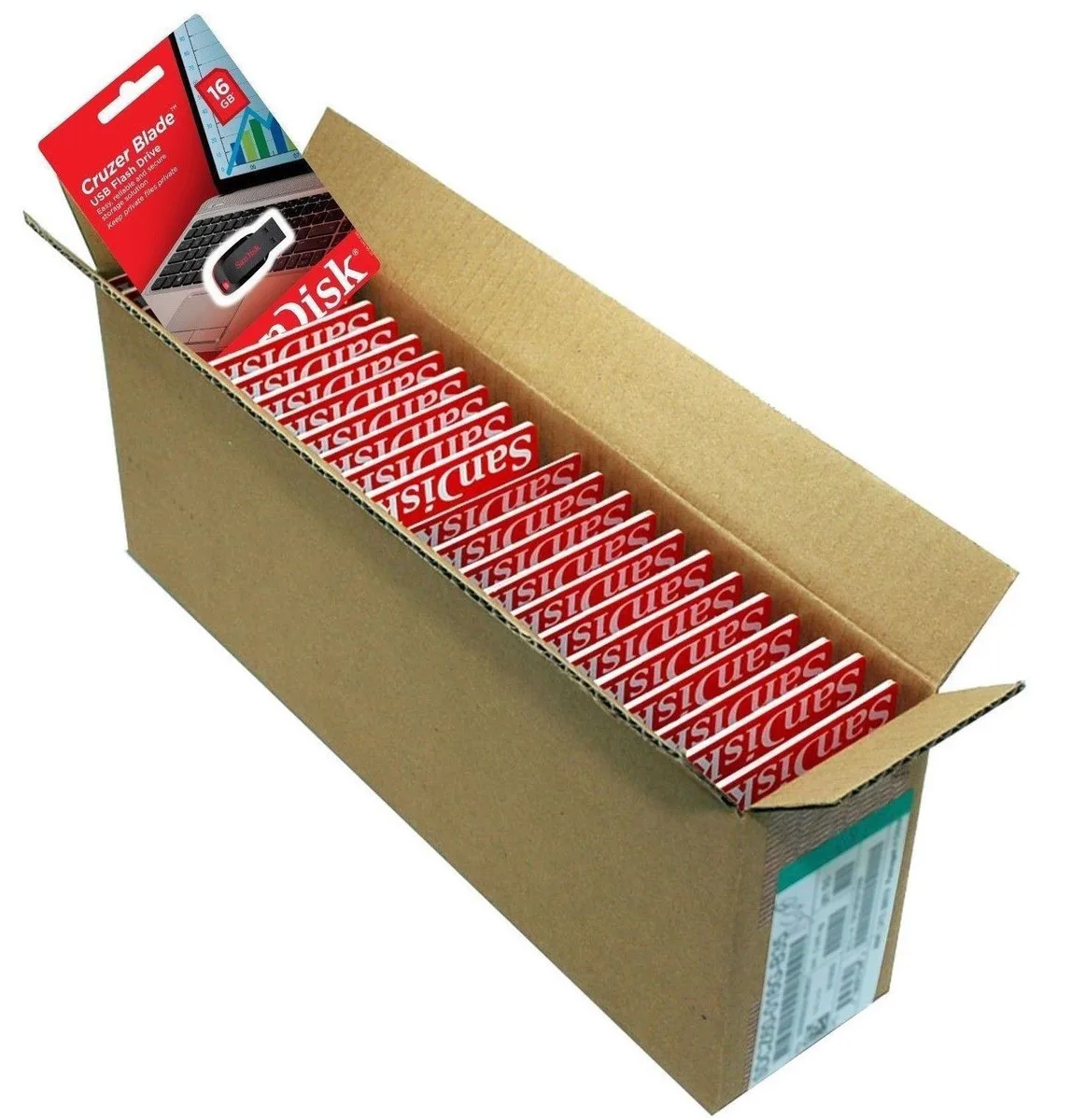
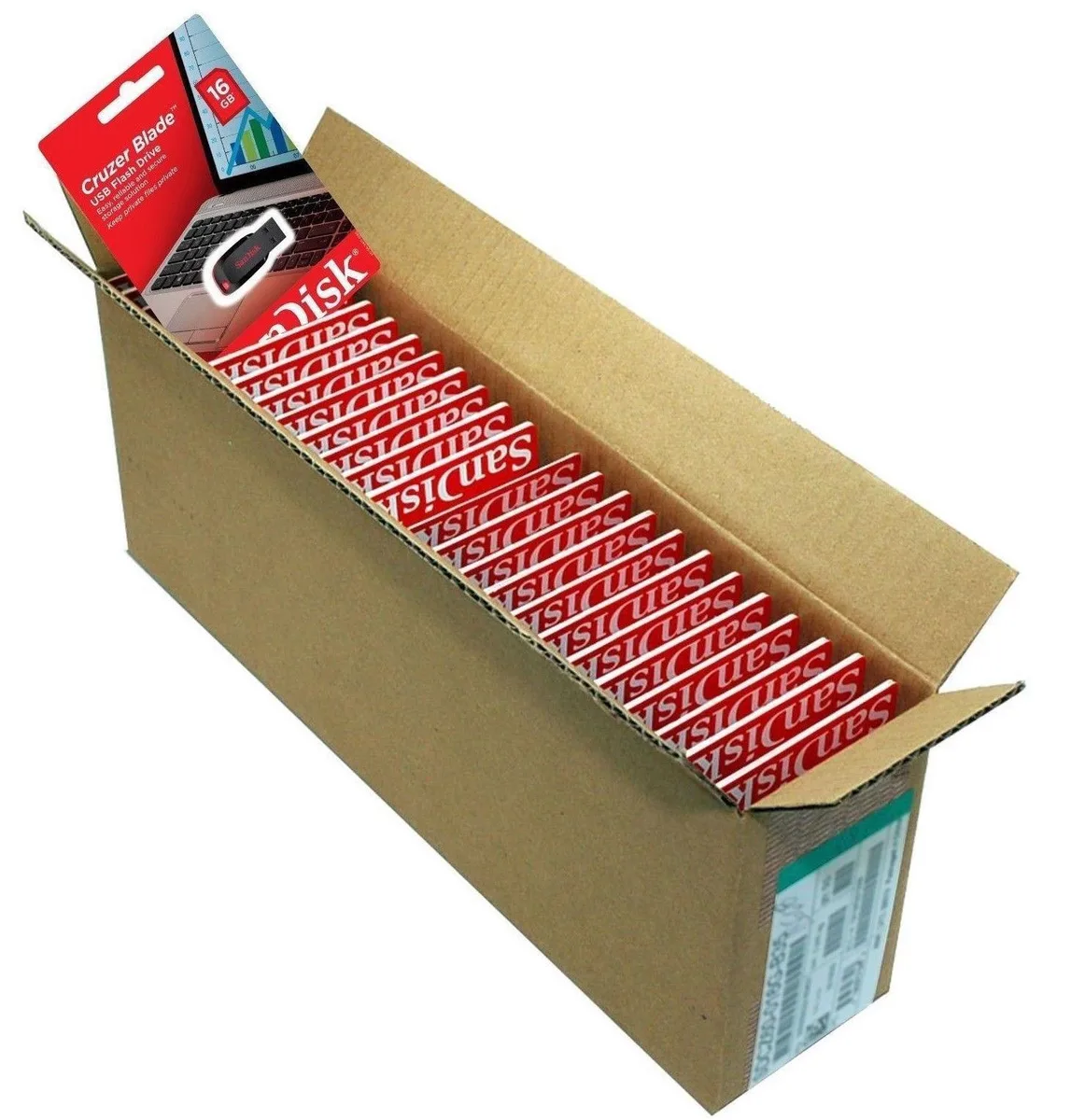
SanDisk Cruzer Blade 8 GB USB 2.0 USB flash drive Black SDCZ50-008G-B35
391,99 $
0.00501811BTC
KrājumāMēs pieņemam kriptovalūtu — lai tā, kas Jums pieder, varētu nopirkt īstu aparatūru.Maksājiet kriptovalūtā, iztērējiet to īstai aparatūrai. Bezmaksas apdrošināta piegāde visā pasaulē virs 399 $. Vienkāršas, nemarķētas kastes, sūtītas no Vācijas.Bezmaksas apdrošināta piegāde virs 399 $. Jūsu kurss tiek fiksēts uz 30 minūtēm, tiklīdz atveras kase.Kurss fiksēts uz 30 minūtēm. Katra prece ir aizzīmogota, tās sērijas numurs ir pārbaudīts, un uz to attiecas 24 mēnešu garantija.Aizzīmogots, 24 mēnešu garantija.


LORDWORLD
A RISC-V microcontroller board with 2.4 GHz Wi-Fi and Bluetooth 5, 15 GPIO pins, 400 KB SRAM and 384 KB ROM, running at 160 MHz
The LORDWORLD ESP32-C3FN4 is a mini development board built around a 32-bit single-core RISC-V processor running at up to 160MHz. It integrates 2.4GHz Wi-Fi 802.11 b/g/n and Bluetooth 5 LE, 400KB SRAM, 384KB ROM and 4MB flash. A USB Type-C port provides serial programming and power, while 15 GPIO pins expose 3 SPI, 1 I2C, 2 UART, 1 I2S and 2 ADC channels. The castellated module and onboard ceramic antenna allow direct soldering to carrier boards.
This board replaces bare ESP32-C3 modules that require separate antenna design and flash layout. The jump is worth it when a project needs integrated 2.4GHz Wi-Fi, Bluetooth 5 LE and 4MB flash in a breadboard-friendly form factor with USB serial already wired. Low-power clock and supply controls help extend battery life in sensor nodes. The USB Type-C connector simplifies firmware uploads compared with UART-only modules.
Developers creating battery-powered IoT sensors, smart-home actuators or wearable prototypes will appreciate the small footprint and castellated edges. The board is less suited for applications needing high-speed Ethernet, multiple cores or large RAM buffers. Projects requiring more than 15 GPIOs or additional peripherals such as CAN or Ethernet should look at larger development platforms.
| Brand | LORDWORLD |
|---|
The castellated module and onboard ceramic antenna are designed to be soldered directly to a carrier board, using the 15 GPIO pins and integrated interfaces such as 3 SPI, 1 I2C, 2 UART, 1 I2S, and 2 ADC.
Connect the USB Type-C port to a host computer; the integrated USB serial port full-speed controller enumerates automatically, letting you flash firmware to the 4 MB onboard Flash without an external programmer.
The 4 MB onboard Flash stores firmware and can be rewritten over USB when updates are needed, while the ceramic antenna is a passive component with no moving parts and requires no periodic maintenance.
Arī šajā sadaļā
Tas pats plaukts, tā pati kase — astoņas kriptovalūtas un kursa fiksēšana uz 30 minūtēm.
Kriptovalūta, kurā maksājat, un valūta, kurā redzat cenas.
Nosūtīts no Jūsu maciņa, noformējot pasūtījumu
Tikai informatīvi — katalogā cenas norādītas ASV dolāros
Neviena valūta neatbilst.
Izvēlieties valodu, kurā vietne sarunājas ar Jums.
Neviena valoda neatbilst.
Pirmo reizi šeit?
Jau ir konts?
Automātiskas atiestatīšanas nav: šis veikals nesūta e-pastus, tāpēc nav arī vienreizējas saites, ko pieprasīt. Atstājiet adresi kontā, un tā tiks apstrādāta manuāli.
Pieprasījums saņemts
Uz Jūsu e-pastu nekas neatnāks — šis veikals vispār nesūta e-pastus. Kāds šos pieprasījumus apstrādā manuāli.
Atcerējāties?