SanDisk
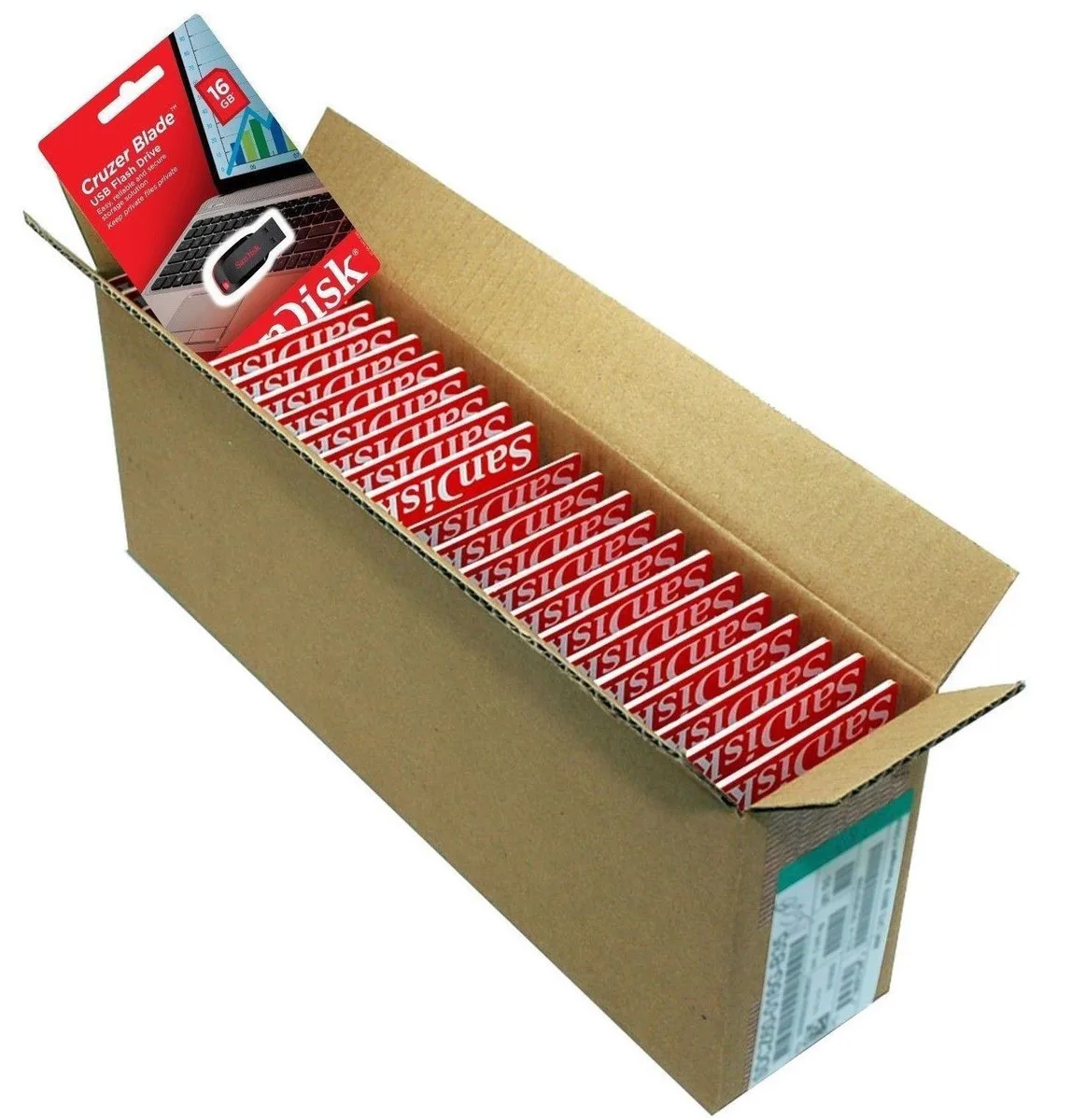
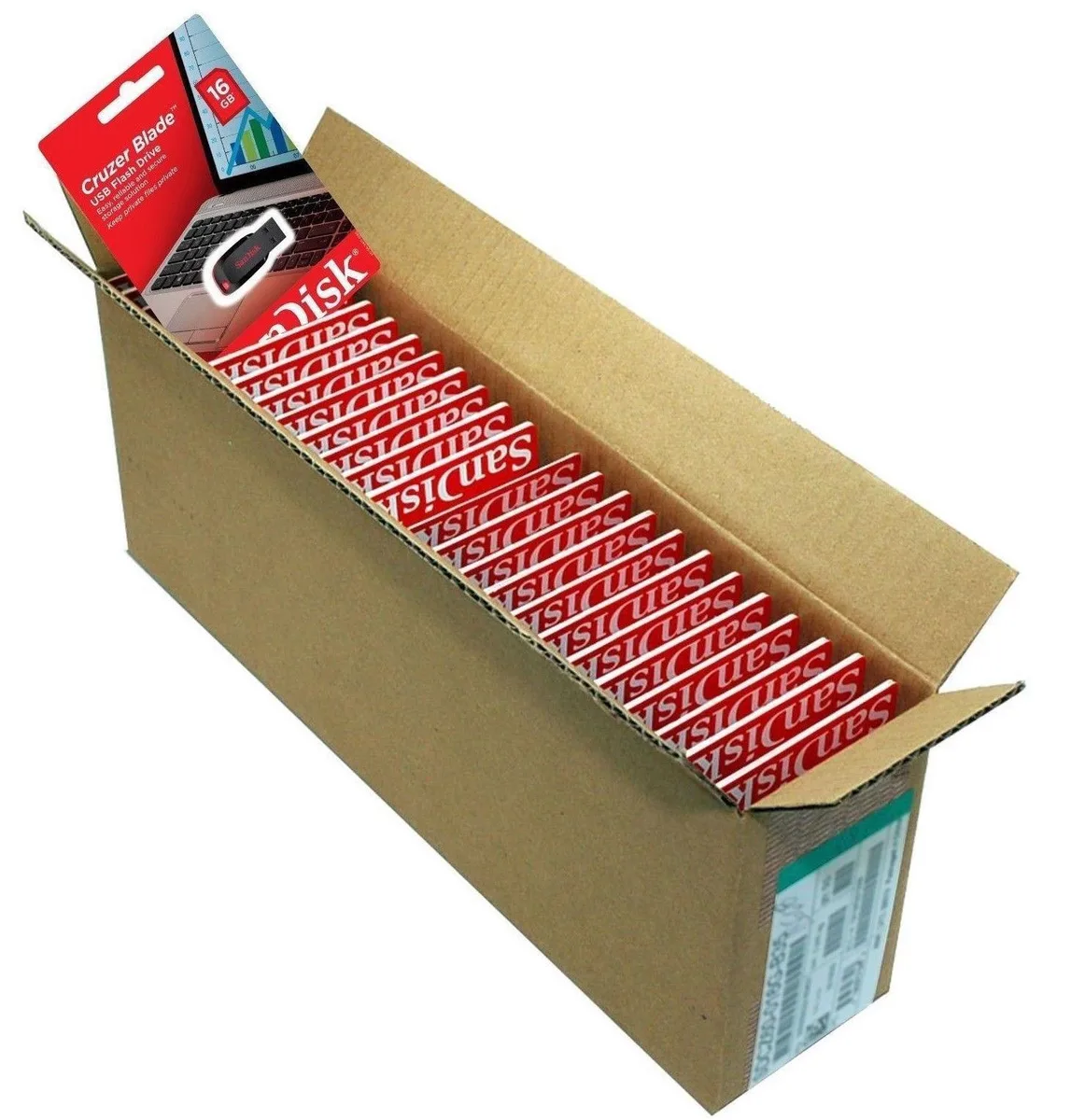
SanDisk Cruzer Blade 8 GB USB 2.0 USB flash drive Black SDCZ50-008G-B35
391,99 USD
0.00501696BTC
În stocAcceptăm criptomonede — astfel, criptomonedele pe care le dețineți pot cumpăra echipamente reale.Plătiți în cripto, cheltuiți-o pe echipamente reale. Livrare asigurată gratuită oriunde în lume peste 399 $. Cartoane neutre, fără marcă, expediate din Germania.Livrare asigurată gratuită peste 399 $. Cursul dumneavoastră este blocat timp de 30 de minute de la deschiderea paginii de plată.Curs blocat 30 de minute. Fiecare articol este sigilat, numărul de serie este verificat, iar produsul este acoperit de o garanție de 24 de luni.Sigilat, garantat 24 de luni.


LORDWORLD
A RISC-V microcontroller board with 2.4 GHz Wi-Fi and Bluetooth 5, 15 GPIO pins, 400 KB SRAM and 384 KB ROM, running at 160 MHz
The LORDWORLD ESP32-C3FN4 is a mini development board built around a 32-bit single-core RISC-V processor running at up to 160MHz. It integrates 2.4GHz Wi-Fi 802.11 b/g/n and Bluetooth 5 LE, 400KB SRAM, 384KB ROM and 4MB flash. A USB Type-C port provides serial programming and power, while 15 GPIO pins expose 3 SPI, 1 I2C, 2 UART, 1 I2S and 2 ADC channels. The castellated module and onboard ceramic antenna allow direct soldering to carrier boards.
This board replaces bare ESP32-C3 modules that require separate antenna design and flash layout. The jump is worth it when a project needs integrated 2.4GHz Wi-Fi, Bluetooth 5 LE and 4MB flash in a breadboard-friendly form factor with USB serial already wired. Low-power clock and supply controls help extend battery life in sensor nodes. The USB Type-C connector simplifies firmware uploads compared with UART-only modules.
Developers creating battery-powered IoT sensors, smart-home actuators or wearable prototypes will appreciate the small footprint and castellated edges. The board is less suited for applications needing high-speed Ethernet, multiple cores or large RAM buffers. Projects requiring more than 15 GPIOs or additional peripherals such as CAN or Ethernet should look at larger development platforms.
| Brand | LORDWORLD |
|---|
The castellated module and onboard ceramic antenna are designed to be soldered directly to a carrier board, using the 15 GPIO pins and integrated interfaces such as 3 SPI, 1 I2C, 2 UART, 1 I2S, and 2 ADC.
Connect the USB Type-C port to a host computer; the integrated USB serial port full-speed controller enumerates automatically, letting you flash firmware to the 4 MB onboard Flash without an external programmer.
The 4 MB onboard Flash stores firmware and can be rewritten over USB when updates are needed, while the ceramic antenna is a passive component with no moving parts and requires no periodic maintenance.
Tot din acest raion
Același raion, aceeași finalizare a comenzii — opt monede și un curs blocat 30 de minute.
În ce monedă plătiți și în ce monedă citiți prețurile.
Trimis din portofelul dumneavoastră la finalizarea comenzii
Doar pentru afișare — catalogul este exprimat în dolari
Nicio monedă nu corespunde.
Alegeți limba în care vă vorbește site-ul.
Nicio limbă nu corespunde.
Prima vizită?
Aveți deja un cont?
Nu există o resetare automată: acest magazin nu trimite niciun e-mail, deci nu există niciun link de unică folosință de solicitat. Lăsați adresa în cont. Va fi tratată manual.
Cerere înregistrată
Nu veți primi nimic în căsuța de e-mail — acest magazin nu trimite niciun e-mail. Cineva se ocupă de asta manual.
V-ați amintit-o?