SanDisk
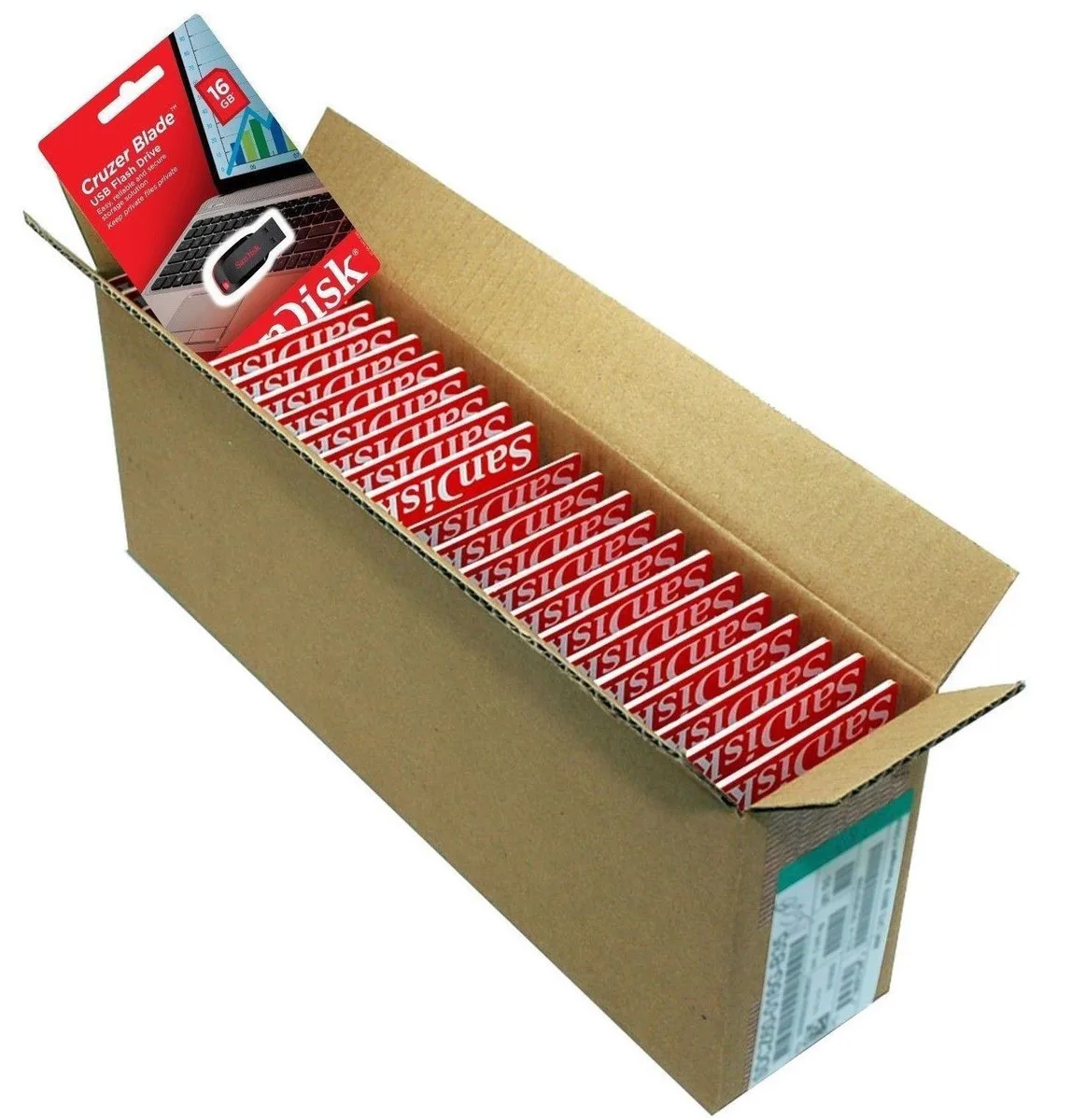
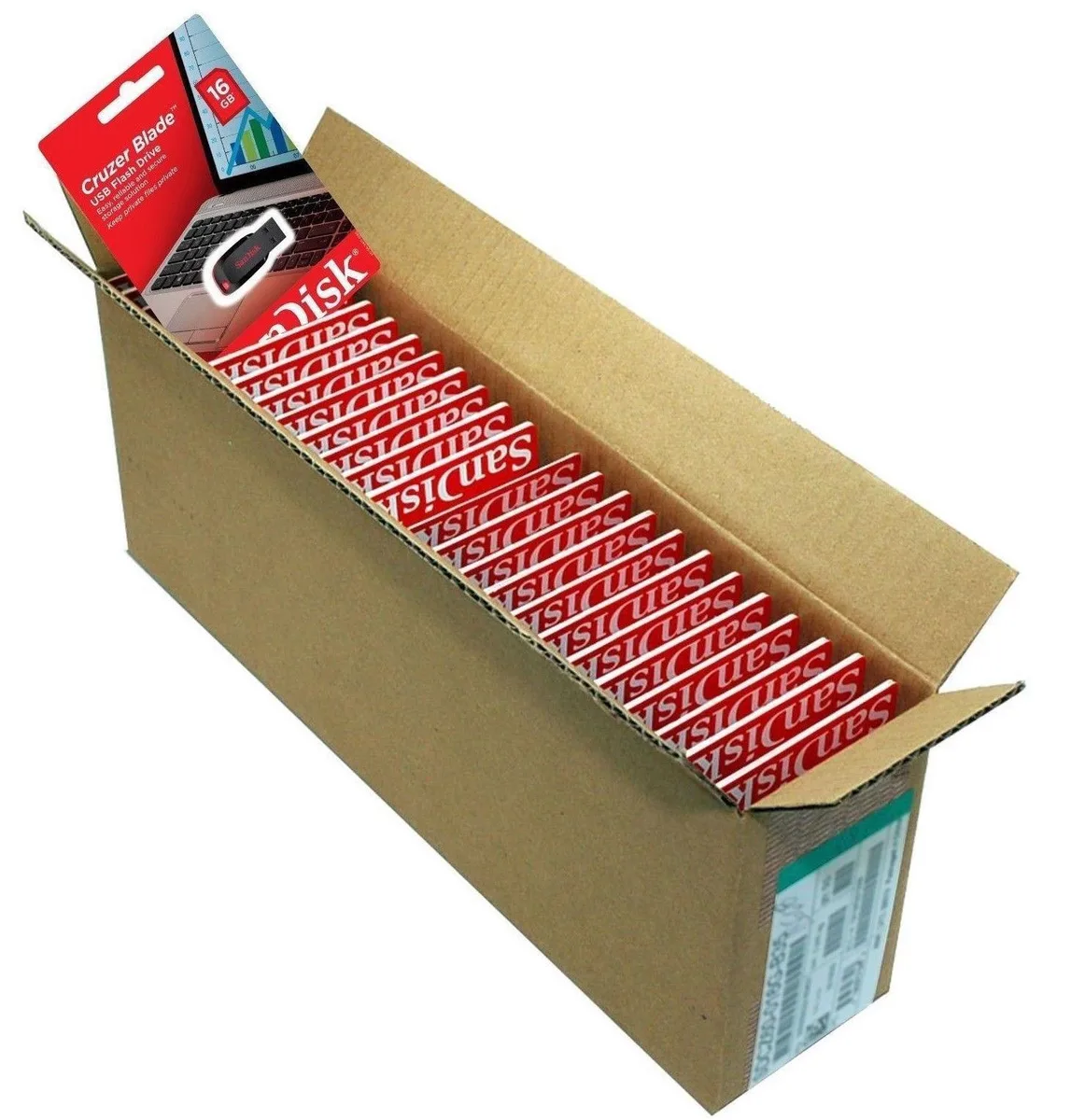
SanDisk Cruzer Blade 8 GB USB 2.0 USB flash drive Black SDCZ50-008G-B35
391,99 USD
0.00501811BTC
Na zalihiPrihvaćamo kriptovalute — tako kriptovalute koje posjedujete mogu kupiti pravi hardver.Plaćajte kriptovalutom, trošite je na pravi hardver. Besplatna osigurana dostava diljem svijeta iznad 399 $. Obični vanjski kartoni bez oznaka, otpremaju se iz Njemačke.Besplatna osigurana dostava iznad 399 $. Vaš je tečaj blokiran 30 minuta od otvaranja blagajne.Tečaj blokiran 30 minuta. Svaki je artikl zapečaćen, njegov serijski broj provjeren, i pokriven jamstvom od 24 mjeseca.Zapečaćen, jamstvo 24 mjeseca.


LORDWORLD
A RISC-V microcontroller board with 2.4 GHz Wi-Fi and Bluetooth 5, 15 GPIO pins, 400 KB SRAM and 384 KB ROM, running at 160 MHz
The LORDWORLD ESP32-C3FN4 is a mini development board built around a 32-bit single-core RISC-V processor running at up to 160MHz. It integrates 2.4GHz Wi-Fi 802.11 b/g/n and Bluetooth 5 LE, 400KB SRAM, 384KB ROM and 4MB flash. A USB Type-C port provides serial programming and power, while 15 GPIO pins expose 3 SPI, 1 I2C, 2 UART, 1 I2S and 2 ADC channels. The castellated module and onboard ceramic antenna allow direct soldering to carrier boards.
This board replaces bare ESP32-C3 modules that require separate antenna design and flash layout. The jump is worth it when a project needs integrated 2.4GHz Wi-Fi, Bluetooth 5 LE and 4MB flash in a breadboard-friendly form factor with USB serial already wired. Low-power clock and supply controls help extend battery life in sensor nodes. The USB Type-C connector simplifies firmware uploads compared with UART-only modules.
Developers creating battery-powered IoT sensors, smart-home actuators or wearable prototypes will appreciate the small footprint and castellated edges. The board is less suited for applications needing high-speed Ethernet, multiple cores or large RAM buffers. Projects requiring more than 15 GPIOs or additional peripherals such as CAN or Ethernet should look at larger development platforms.
| Brand | LORDWORLD |
|---|
The castellated module and onboard ceramic antenna are designed to be soldered directly to a carrier board, using the 15 GPIO pins and integrated interfaces such as 3 SPI, 1 I2C, 2 UART, 1 I2S, and 2 ADC.
Connect the USB Type-C port to a host computer; the integrated USB serial port full-speed controller enumerates automatically, letting you flash firmware to the 4 MB onboard Flash without an external programmer.
The 4 MB onboard Flash stores firmware and can be rewritten over USB when updates are needed, while the ceramic antenna is a passive component with no moving parts and requires no periodic maintenance.
Također u ovoj kategoriji
Ista polica, ista blagajna — osam valuta i blokada tečaja na 30 minuta.
Ono što šaljete, i ono u čemu gledate cijene.
Poslano iz Vašeg novčanika na blagajni
Samo prikaz — katalog je izražen u dolarima
Nijedna valuta ne odgovara.
Odaberite jezik na kojem Vam se stranica obraća.
Nema odgovarajućeg jezika.
Novi ste ovdje?
Već imate račun?
Ne postoji automatsko resetiranje: ova trgovina ne šalje e-poštu, stoga ne postoji jednokratna poveznica koju biste mogli zatražiti. Ostavite adresu uz svoj račun, netko će je ručno obraditi.
Zahtjev zaprimljen
Ništa neće stići u Vaš pretinac e-pošte — ova trgovina uopće ne šalje e-poštu. Netko će to ručno preuzeti.
Sjetili ste se?