SanDisk
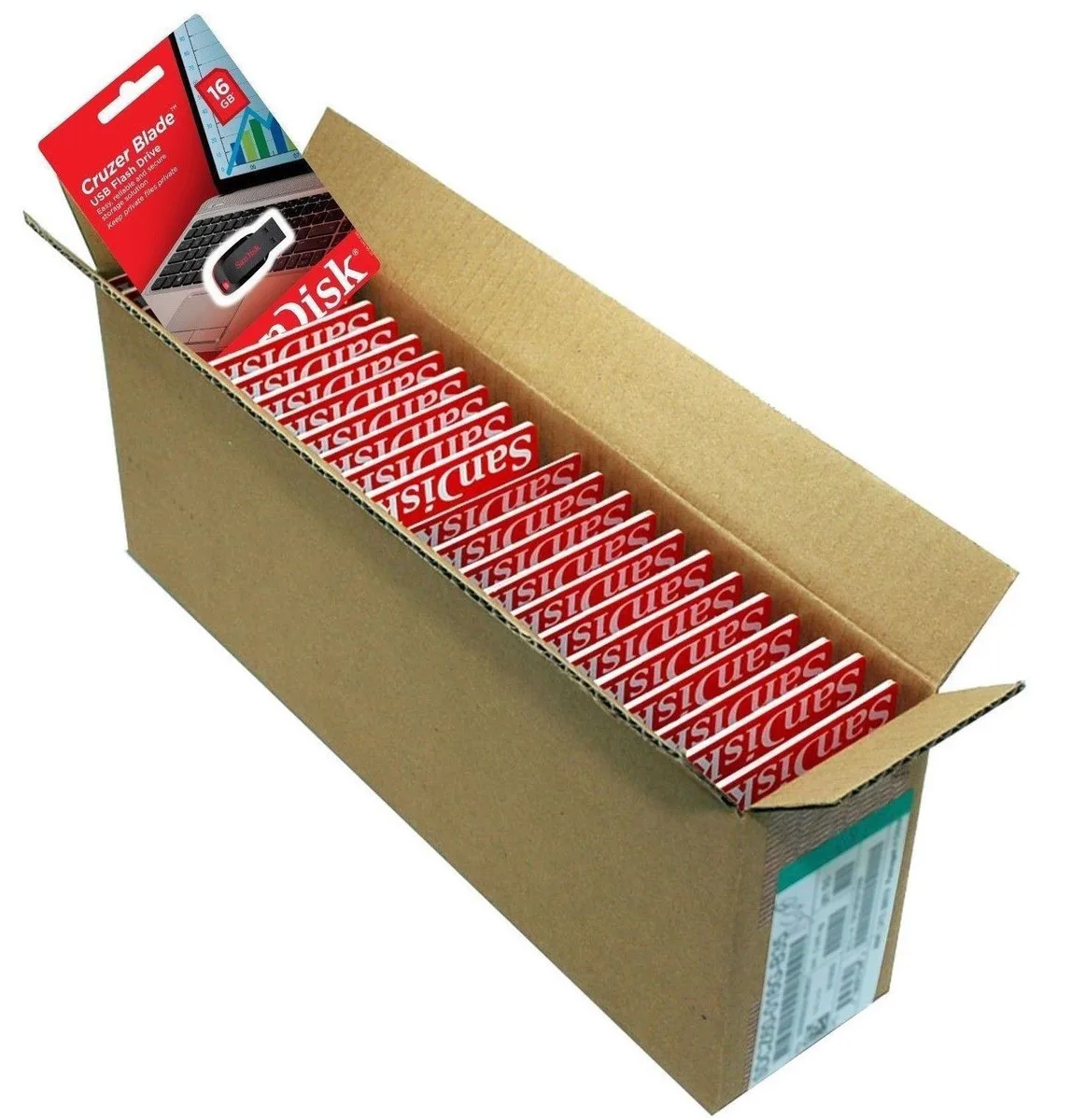
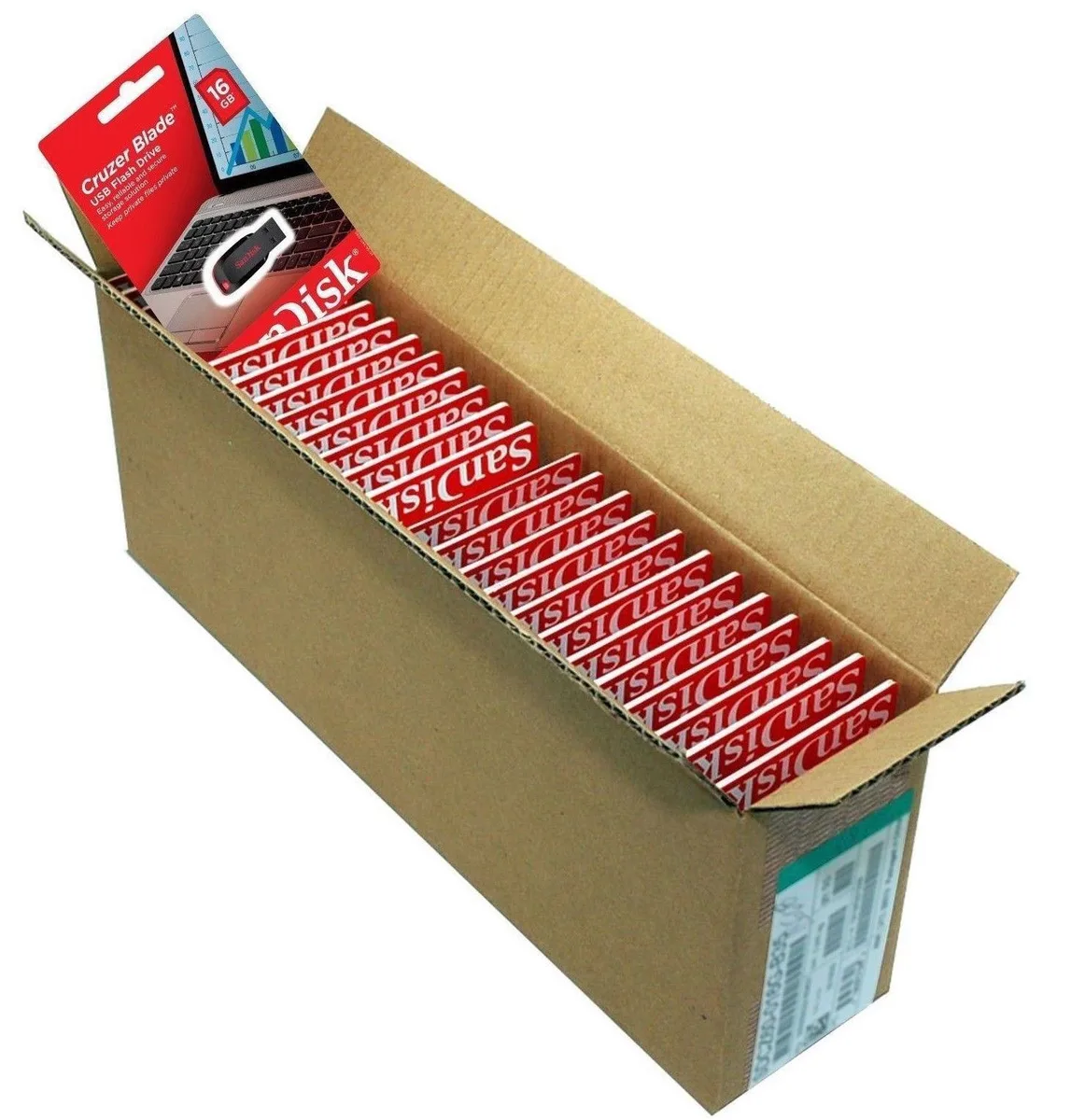
SanDisk Cruzer Blade 8 GB USB 2.0 USB flash drive Black SDCZ50-008G-B35
391,99 $US
0.00501811BTC
En stockNous acceptons la cryptomonnaie — les cryptos que vous détenez peuvent ainsi acheter du matériel réel.Payez en crypto, dépensez-la en matériel réel. Livraison assurée offerte partout dans le monde au-delà de 399 $. Cartons neutres, sans marque, expédiés depuis l’Allemagne.Livraison assurée offerte au-delà de 399 $. Votre taux est bloqué pendant 30 minutes dès l’ouverture de la caisse.Taux bloqué 30 minutes. Chaque article est scellé, son numéro de série est vérifié, et il est couvert par une garantie de 24 mois.Scellé, garanti 24 mois.


LORDWORLD
A RISC-V microcontroller board with 2.4 GHz Wi-Fi and Bluetooth 5, 15 GPIO pins, 400 KB SRAM and 384 KB ROM, running at 160 MHz
The LORDWORLD ESP32-C3FN4 is a mini development board built around a 32-bit single-core RISC-V processor running at up to 160MHz. It integrates 2.4GHz Wi-Fi 802.11 b/g/n and Bluetooth 5 LE, 400KB SRAM, 384KB ROM and 4MB flash. A USB Type-C port provides serial programming and power, while 15 GPIO pins expose 3 SPI, 1 I2C, 2 UART, 1 I2S and 2 ADC channels. The castellated module and onboard ceramic antenna allow direct soldering to carrier boards.
This board replaces bare ESP32-C3 modules that require separate antenna design and flash layout. The jump is worth it when a project needs integrated 2.4GHz Wi-Fi, Bluetooth 5 LE and 4MB flash in a breadboard-friendly form factor with USB serial already wired. Low-power clock and supply controls help extend battery life in sensor nodes. The USB Type-C connector simplifies firmware uploads compared with UART-only modules.
Developers creating battery-powered IoT sensors, smart-home actuators or wearable prototypes will appreciate the small footprint and castellated edges. The board is less suited for applications needing high-speed Ethernet, multiple cores or large RAM buffers. Projects requiring more than 15 GPIOs or additional peripherals such as CAN or Ethernet should look at larger development platforms.
| Brand | LORDWORLD |
|---|
The castellated module and onboard ceramic antenna are designed to be soldered directly to a carrier board, using the 15 GPIO pins and integrated interfaces such as 3 SPI, 1 I2C, 2 UART, 1 I2S, and 2 ADC.
Connect the USB Type-C port to a host computer; the integrated USB serial port full-speed controller enumerates automatically, letting you flash firmware to the 4 MB onboard Flash without an external programmer.
The 4 MB onboard Flash stores firmware and can be rewritten over USB when updates are needed, while the ceramic antenna is a passive component with no moving parts and requires no periodic maintenance.
Également dans ce rayon
Même rayon, même caisse — huit monnaies et un taux bloqué 30 minutes.
Ce que vous envoyez, et ce dans quoi vous lisez les prix.
Envoyé depuis votre portefeuille à la caisse
Affichage seul — le catalogue est libellé en dollars
Aucune monnaie ne correspond.
Choisissez la langue dans laquelle le site vous parle.
Aucune langue ne correspond.
Première visite ?
Vous avez déjà un compte ?
Il n’y a pas de réinitialisation automatique : cette boutique n’envoie aucun e-mail, il n’existe donc aucun lien à usage unique à demander. Laissez l’adresse sur le compte, elle sera traitée à la main.
Demande enregistrée
Rien n’arrivera dans votre boîte de réception — cette boutique n’envoie aucun e-mail. Quelqu’un s’en occupe à la main.
Vous l’avez retrouvé ?