SanDisk
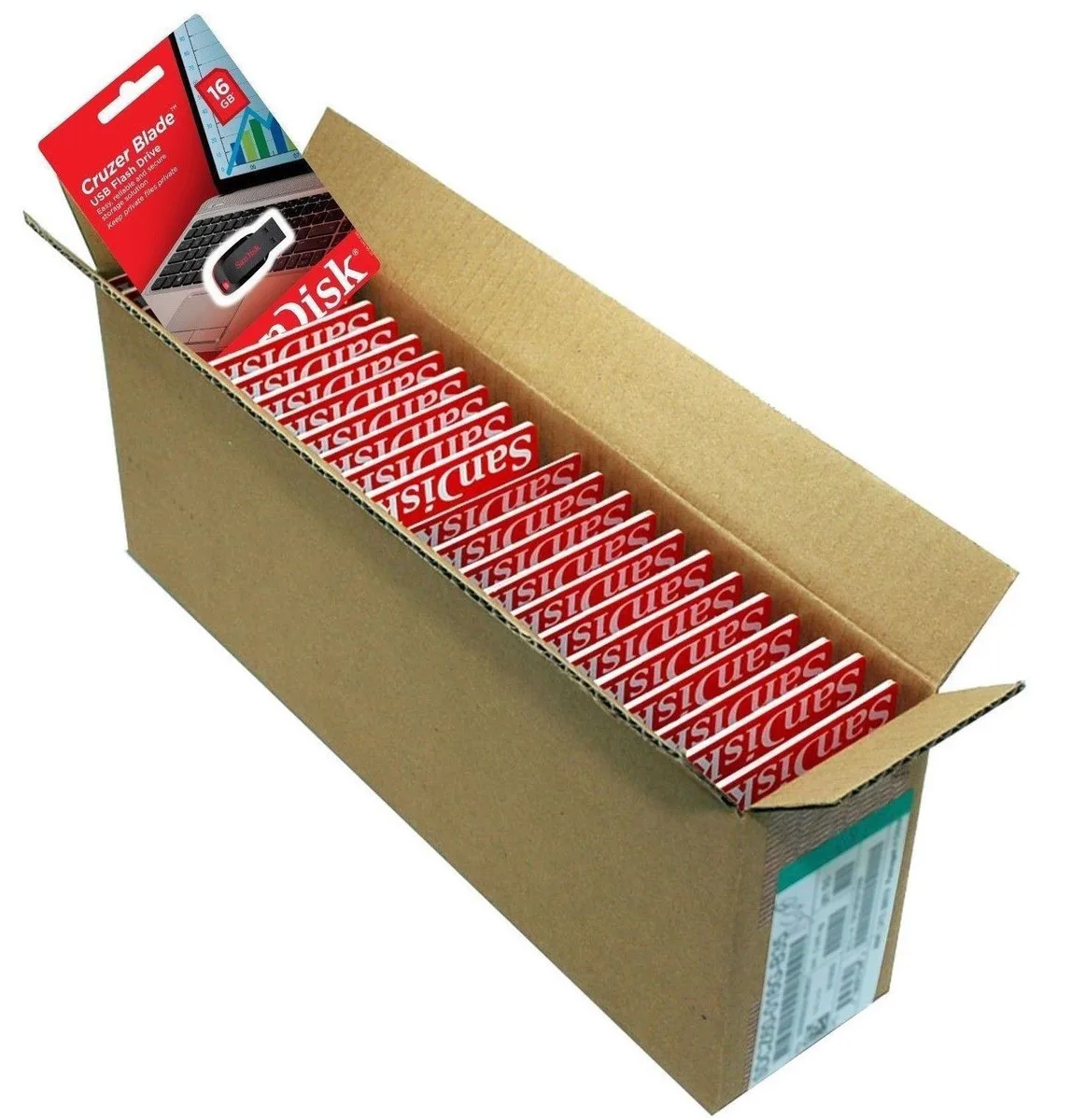
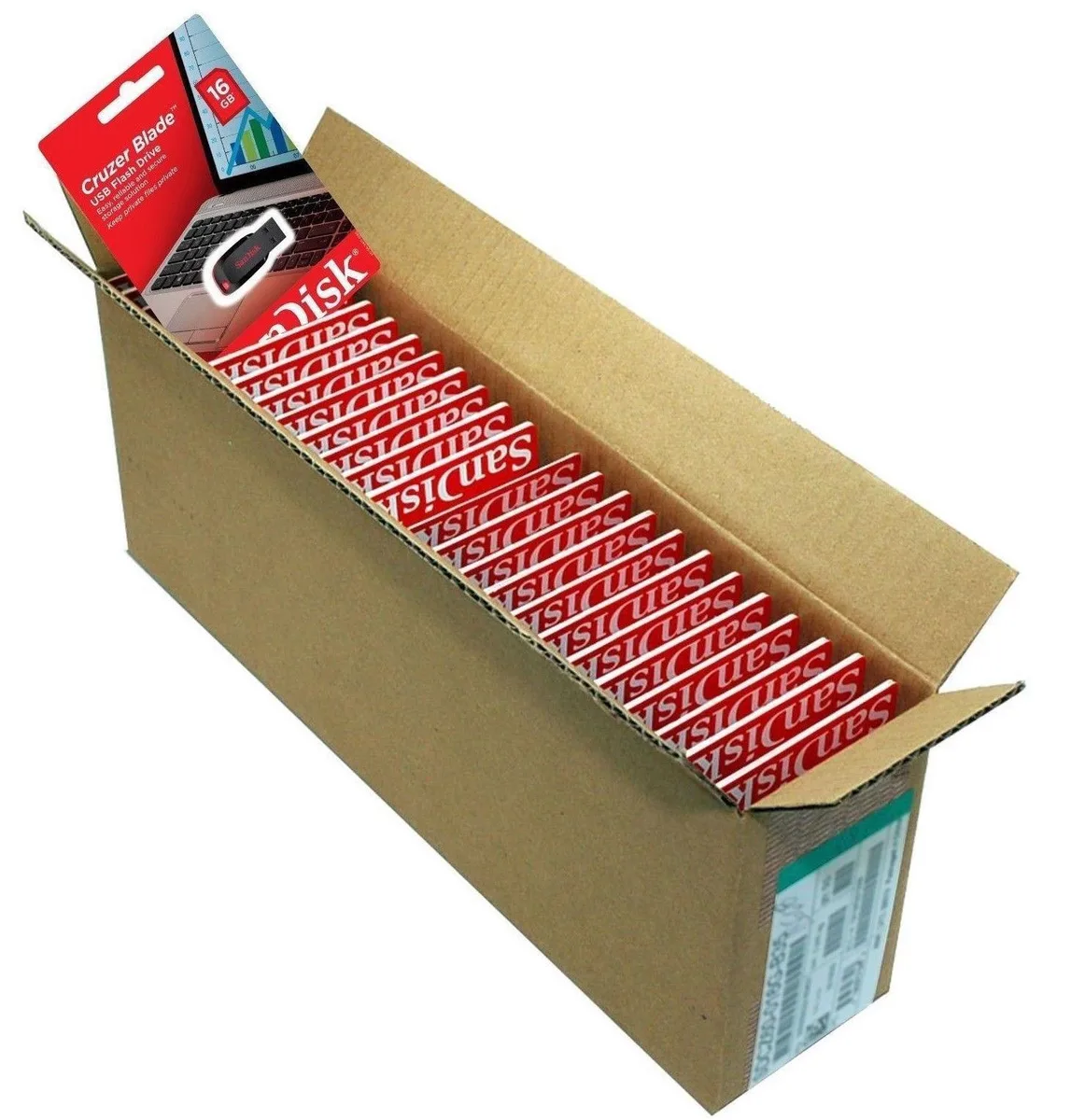
SanDisk Cruzer Blade 8 GB USB 2.0 USB flash drive Black SDCZ50-008G-B35
391,99 US$
0.00501972BTC
På lagerVi tager imod kryptovaluta — så den krypto, du ejer, kan købe rigtig hardware.Betal med krypto, brug det på rigtig hardware. Gratis, forsikret levering til hele verden ved køb over 399 $. Neutrale, umærkede papkasser, sendt fra Tyskland.Gratis, forsikret levering over 399 $. Din kurs låses i 30 minutter, så snart kassen åbner.Kurs låst i 30 minutter. Hver vare er forseglet, har kontrolleret serienummer og er dækket af 24 måneders garanti.Forseglet, 24 måneders garanti.


LORDWORLD
Adds dual isolated CAN FD channels with 5 kV protection and SPI breakout to Raspberry Pi or Arduino projects
This HAT adds two isolated CAN channels to any Raspberry Pi with a 40-pin GPIO header. It supports both CAN 2.0 and CAN FD protocols for industrial and automotive networking. The board also breaks out SPI control pins so it can be driven by STM32 or Arduino hosts. Jumper-selectable 3.3 V or 5 V logic levels simplify integration with different controllers.
Onboard electrical isolation rated to 5 kV protects the host from ground loops and high-voltage transients on the bus. Additional lightning, ESD and short-circuit protection circuits keep communication stable in noisy environments. A 120 Ω termination resistor is fitted and enabled by jumper for proper line impedance. These hardware safeguards maintain signal integrity during continuous high-traffic operation.
The CAN FD implementation reaches a maximum data rate of 8 Mbps on each channel. This ceiling is set by the transceiver and SPI interface rather than the classical CAN 2.0 limit. Bus length, cable quality and the number of nodes will reduce the practical throughput below the peak figure. Developers should validate timing margins in their specific cabling layout.
| Brand | LORDWORLD |
|---|
The board draws power from the Raspberry Pi 40-pin header and uses an onboard voltage translator selectable between 3.3 V and 5 V via jumper; no separate power supply is required.
A Raspberry Pi series board with a 40-pin GPIO header is required; SPI control pins are also broken out for STM32 or Arduino hosts.
Yes, the HAT supports both CAN 2.0 and CAN FD up to 8 Mbps, and the 120 Ω terminal resistor is jumper-configurable for legacy networks.
Også på denne hylde
Samme hylde, samme kasse — otte mønter og 30 minutters kurslås.
Det du betaler med, og det du ser priserne i.
Sendes fra din tegnebog i kassen
Kun til visning — kataloget er prissat i USD
Ingen valuta matcher det.
Vælg det sprog, siden taler til dig på.
Ingen sprog matcher.
Ny her?
Har du allerede en?
Der findes ingen automatisk nulstilling: denne butik sender ingen e-mails, så der er intet engangslink at bede om. Efterlad adressen på kontoen, så bliver den behandlet manuelt.
Anmodning registreret
Der er intet på vej til din indbakke — denne butik sender slet ingen e-mails. Nogen behandler dem manuelt.
Kom du i tanke om den?