SanDisk
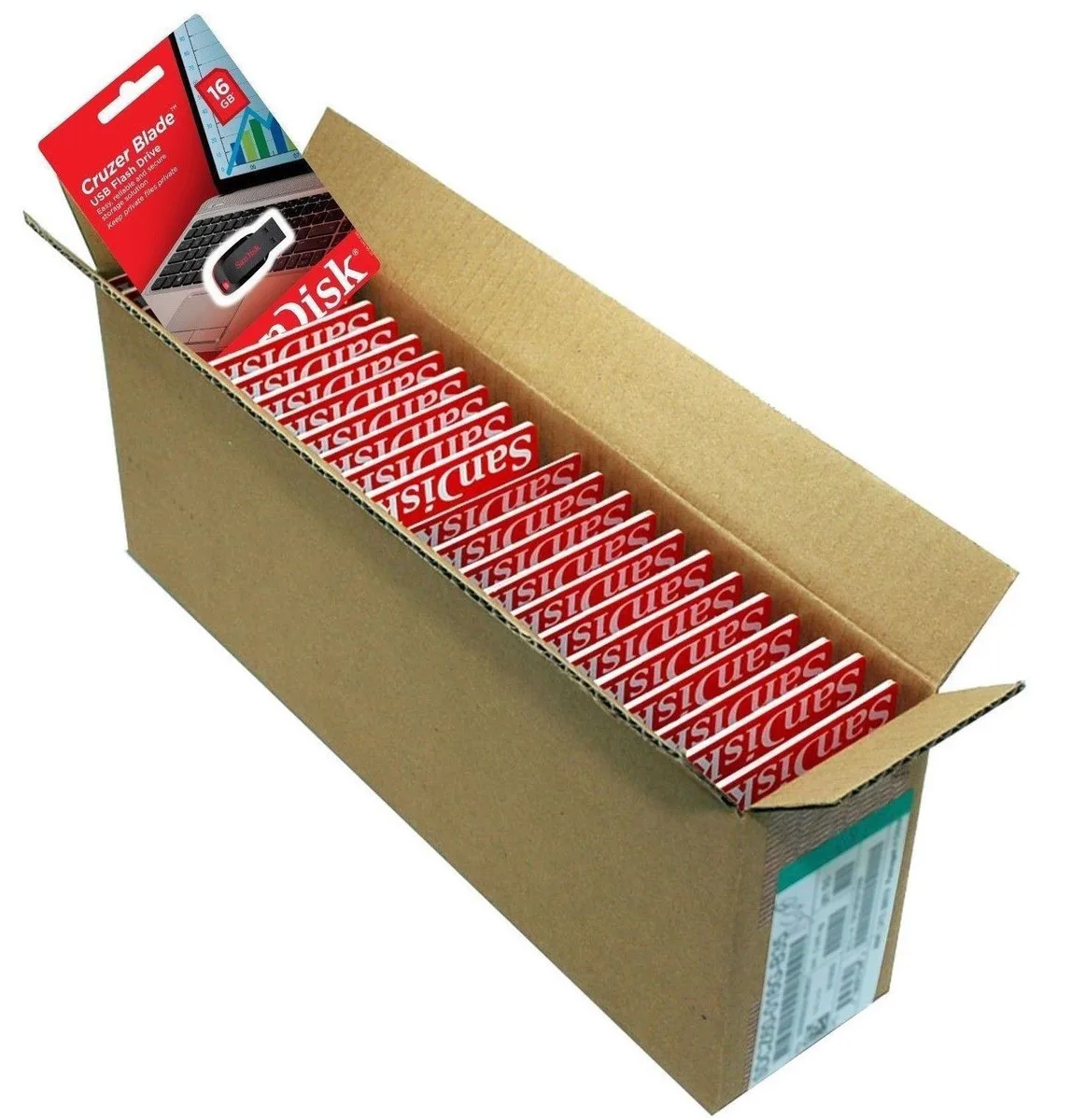
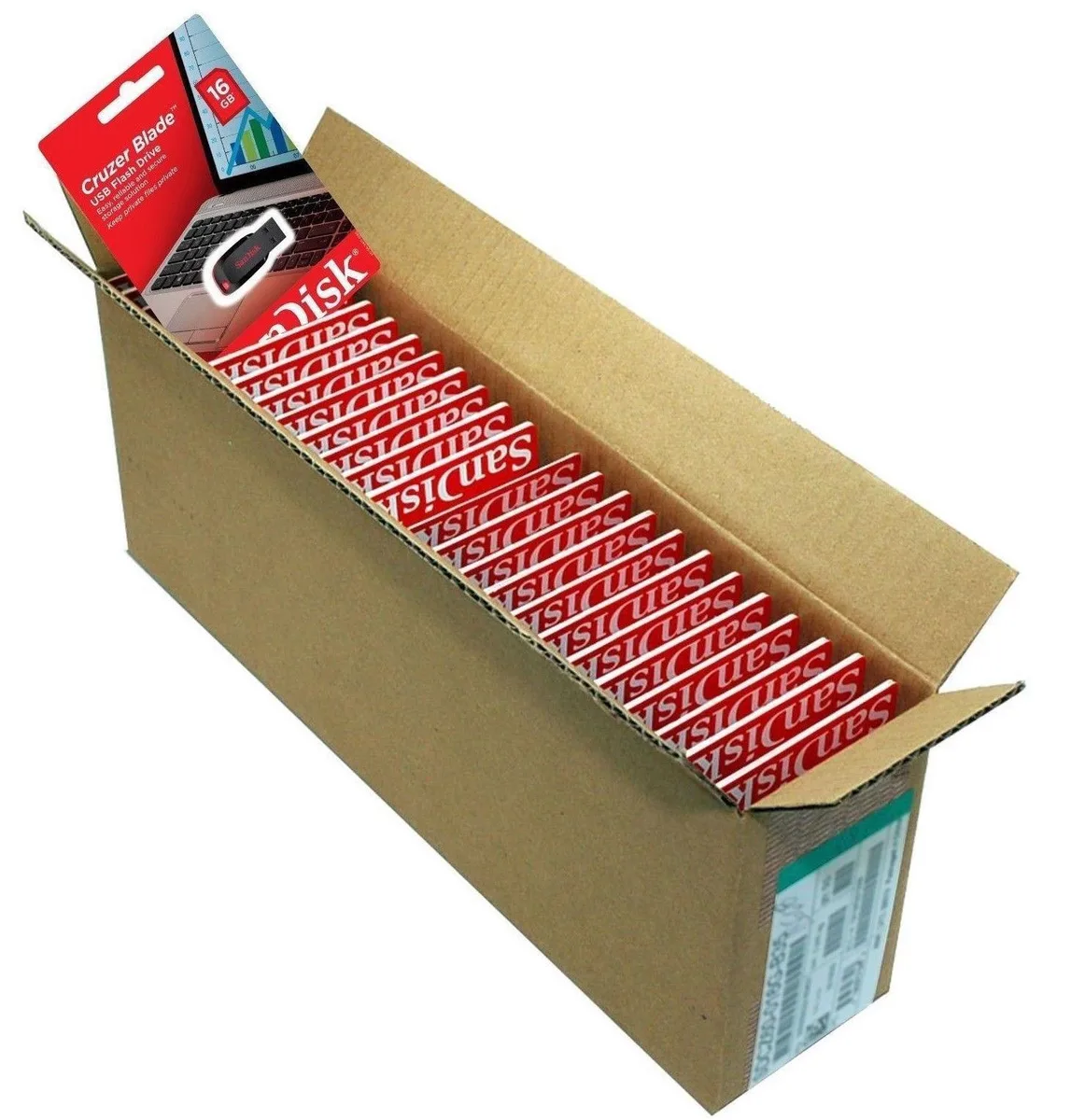
SanDisk Cruzer Blade 8 GB USB 2.0 USB flash drive Black SDCZ50-008G-B35
$391.99
0.00501555BTC
In stockWe take cryptocurrency — so the coins you hold can buy real hardware.Pay in crypto, spend it on real hardware. Free insured shipping worldwide over $399. Plain, unbranded boxes, sent from Germany.Free insured shipping over $399. Your rate is locked for 30 minutes once checkout opens.Rate locked 30 minutes. Every item sealed, serial-checked and covered by a 24-month warranty.Sealed, 24-month warranty.


LORDWORLD
Adds dual isolated CAN FD channels with 5 kV protection and SPI breakout to Raspberry Pi or Arduino projects
This HAT adds two isolated CAN channels to any Raspberry Pi with a 40-pin GPIO header. It supports both CAN 2.0 and CAN FD protocols for industrial and automotive networking. The board also breaks out SPI control pins so it can be driven by STM32 or Arduino hosts. Jumper-selectable 3.3 V or 5 V logic levels simplify integration with different controllers.
Onboard electrical isolation rated to 5 kV protects the host from ground loops and high-voltage transients on the bus. Additional lightning, ESD and short-circuit protection circuits keep communication stable in noisy environments. A 120 Ω termination resistor is fitted and enabled by jumper for proper line impedance. These hardware safeguards maintain signal integrity during continuous high-traffic operation.
The CAN FD implementation reaches a maximum data rate of 8 Mbps on each channel. This ceiling is set by the transceiver and SPI interface rather than the classical CAN 2.0 limit. Bus length, cable quality and the number of nodes will reduce the practical throughput below the peak figure. Developers should validate timing margins in their specific cabling layout.
| Brand | LORDWORLD |
|---|
The board draws power from the Raspberry Pi 40-pin header and uses an onboard voltage translator selectable between 3.3 V and 5 V via jumper; no separate power supply is required.
A Raspberry Pi series board with a 40-pin GPIO header is required; SPI control pins are also broken out for STM32 or Arduino hosts.
Yes, the HAT supports both CAN 2.0 and CAN FD up to 8 Mbps, and the 120 Ω terminal resistor is jumper-configurable for legacy networks.
Also in this aisle
Same shelf, same checkout — eight coins and a 30-minute rate lock.
What you pay in, and what you read prices in.
Sent from your wallet at checkout
Display only — the catalogue is priced in USD
No currency matches that.
Pick the language the site speaks to you in.
No language matches that.
New here?
Already have one?
There is no automatic reset: this shop sends no mail, so there is no one-time link to ask for. Leave the address on the account and it gets picked up by hand.
Request noted
Nothing is on its way to your inbox — this shop sends no mail at all. Someone picks these up by hand.
Remembered it?