SanDisk
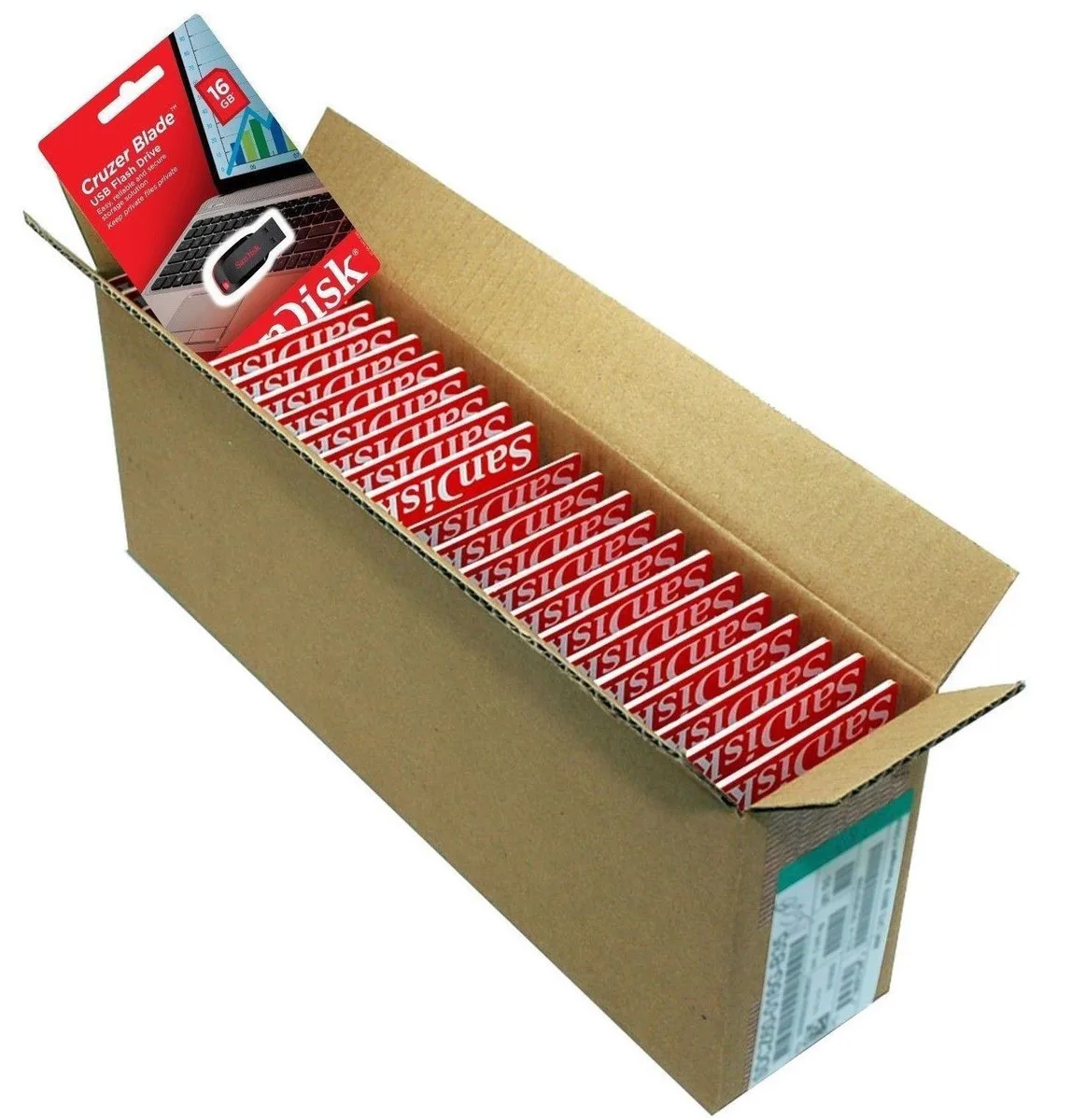
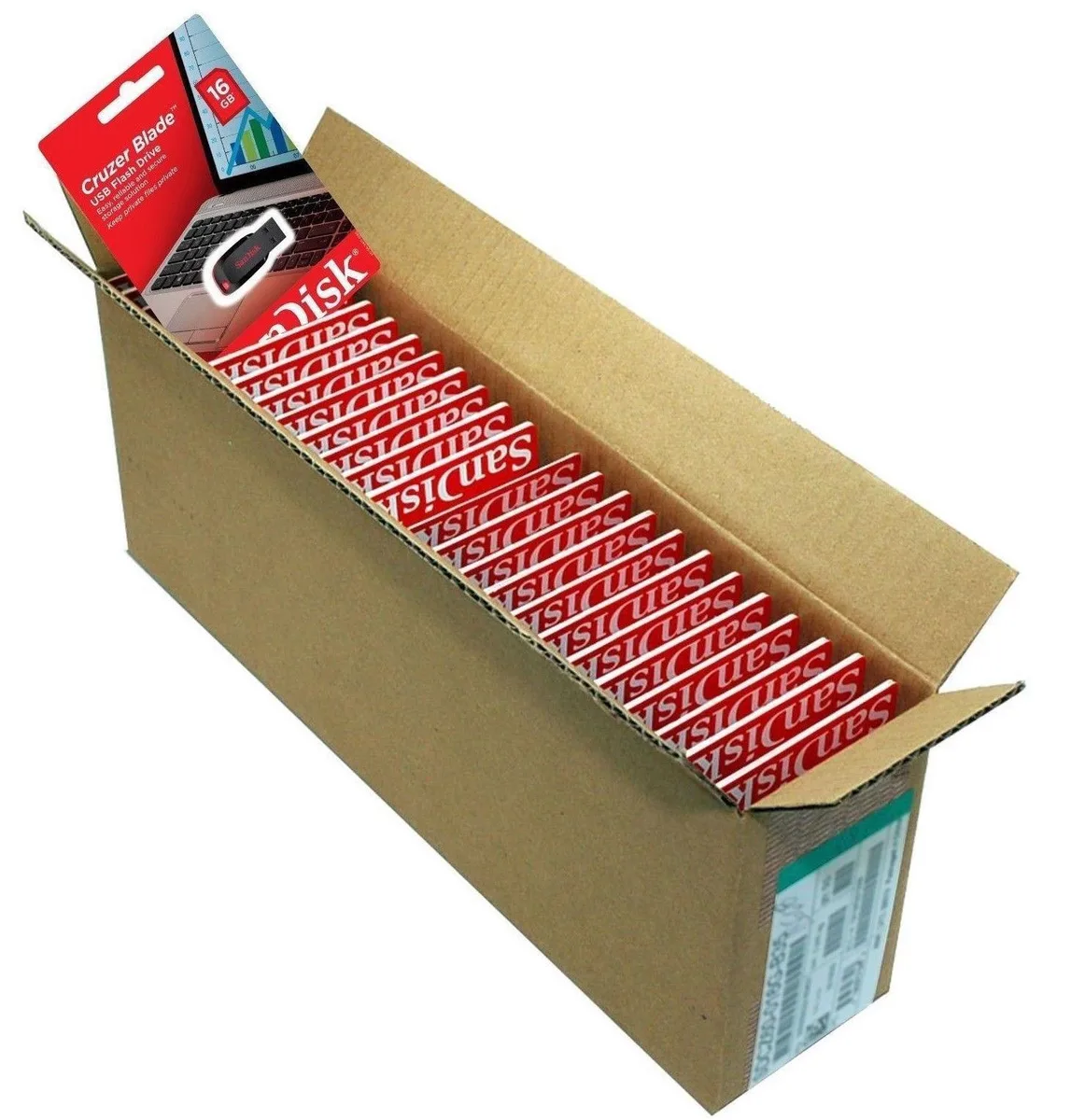
SanDisk Cruzer Blade 8 GB USB 2.0 USB flash drive Black SDCZ50-008G-B35
391,99 USD
0.00501811BTC
Na zalihiPrihvaćamo kriptovalute — tako kriptovalute koje posjedujete mogu kupiti pravi hardver.Plaćajte kriptovalutom, trošite je na pravi hardver. Besplatna osigurana dostava diljem svijeta iznad 399 $. Obični vanjski kartoni bez oznaka, otpremaju se iz Njemačke.Besplatna osigurana dostava iznad 399 $. Vaš je tečaj blokiran 30 minuta od otvaranja blagajne.Tečaj blokiran 30 minuta. Svaki je artikl zapečaćen, njegov serijski broj provjeren, i pokriven jamstvom od 24 mjeseca.Zapečaćen, jamstvo 24 mjeseca.


LORDWORLD
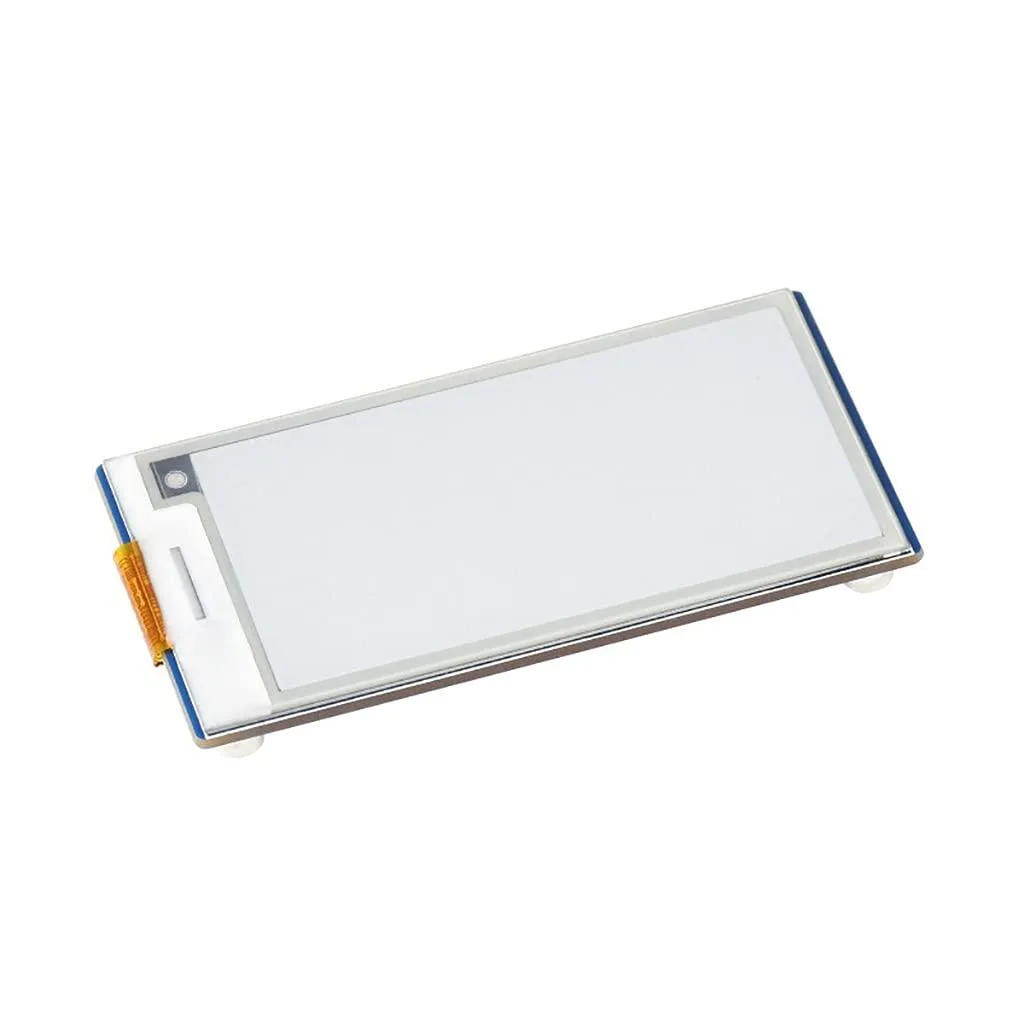
2.66 inch e-paper display with 296×152 resolution, SPI interface and partial refresh for Raspberry Pi Pico projects
This 2.66-inch e-paper display module targets makers building low-power projects with a Raspberry Pi Pico. It shows black and white content at 296×152 pixels and retains the last image without any backlight when power is removed. The board connects through a standard SPI interface that uses only a few GPIO pins. Example code in C/C++ and MicroPython is included to speed up development.
Because the panel is bi-stable, it draws current only during a refresh and consumes virtually nothing while holding a static image. No backlight means no continuous illumination load and no fan or active cooling is required. The board therefore runs silently and stays cool even during frequent partial updates. This behaviour suits battery-powered or solar-charged nodes that must operate for weeks between charges.
The compact PCB exposes the SPI pins and power rails on a standard header that plugs directly into a Pico or a compatible breadboard layout. Mounting holes are not described in the data, so mechanical fixing relies on the pin friction or an external carrier. The supplied documentation covers wiring, driver initialisation and partial-refresh timing for both supported languages. Projects needing colour, greyscale or a larger active area will require a different module.
| Brand | LORDWORLD |
|---|
Connect the module's SPI pins to the matching Pico GPIO header using the provided wiring diagram; the common error is swapping the CS and DC lines, which prevents the display from initialising.
The e-paper film itself retains images without power, so no scheduled replacement is required; only the connector or flex cable may wear if repeatedly disconnected.
Partial refresh is supported, but full-screen updates take several hundred milliseconds, so the refresh interval is the first limit hit in rapid-redraw applications.
Također u ovoj kategoriji
Ista polica, ista blagajna — osam valuta i blokada tečaja na 30 minuta.
Ono što šaljete, i ono u čemu gledate cijene.
Poslano iz Vašeg novčanika na blagajni
Samo prikaz — katalog je izražen u dolarima
Nijedna valuta ne odgovara.
Odaberite jezik na kojem Vam se stranica obraća.
Nema odgovarajućeg jezika.
Novi ste ovdje?
Već imate račun?
Ne postoji automatsko resetiranje: ova trgovina ne šalje e-poštu, stoga ne postoji jednokratna poveznica koju biste mogli zatražiti. Ostavite adresu uz svoj račun, netko će je ručno obraditi.
Zahtjev zaprimljen
Ništa neće stići u Vaš pretinac e-pošte — ova trgovina uopće ne šalje e-poštu. Netko će to ručno preuzeti.
Sjetili ste se?