SanDisk
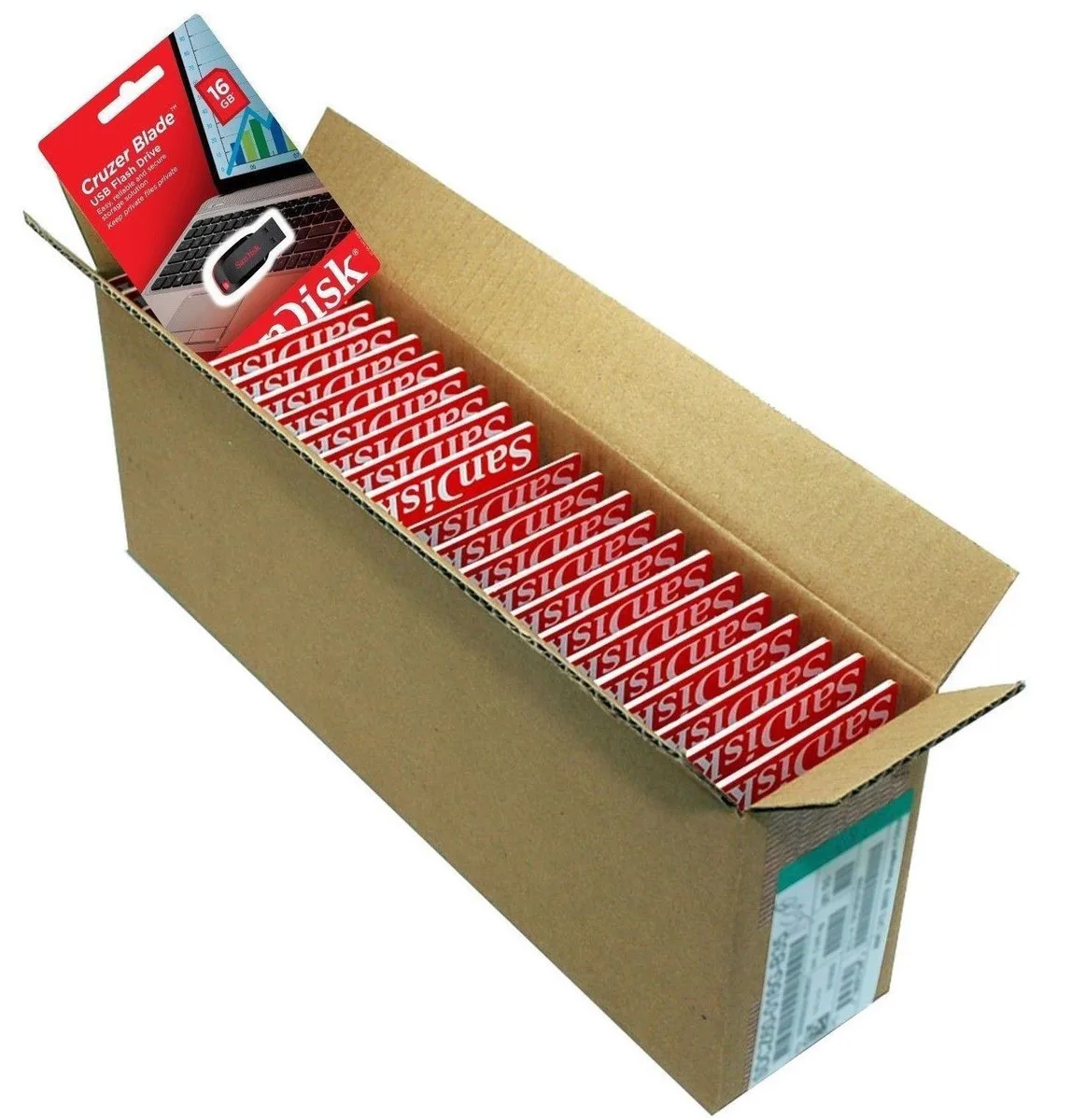
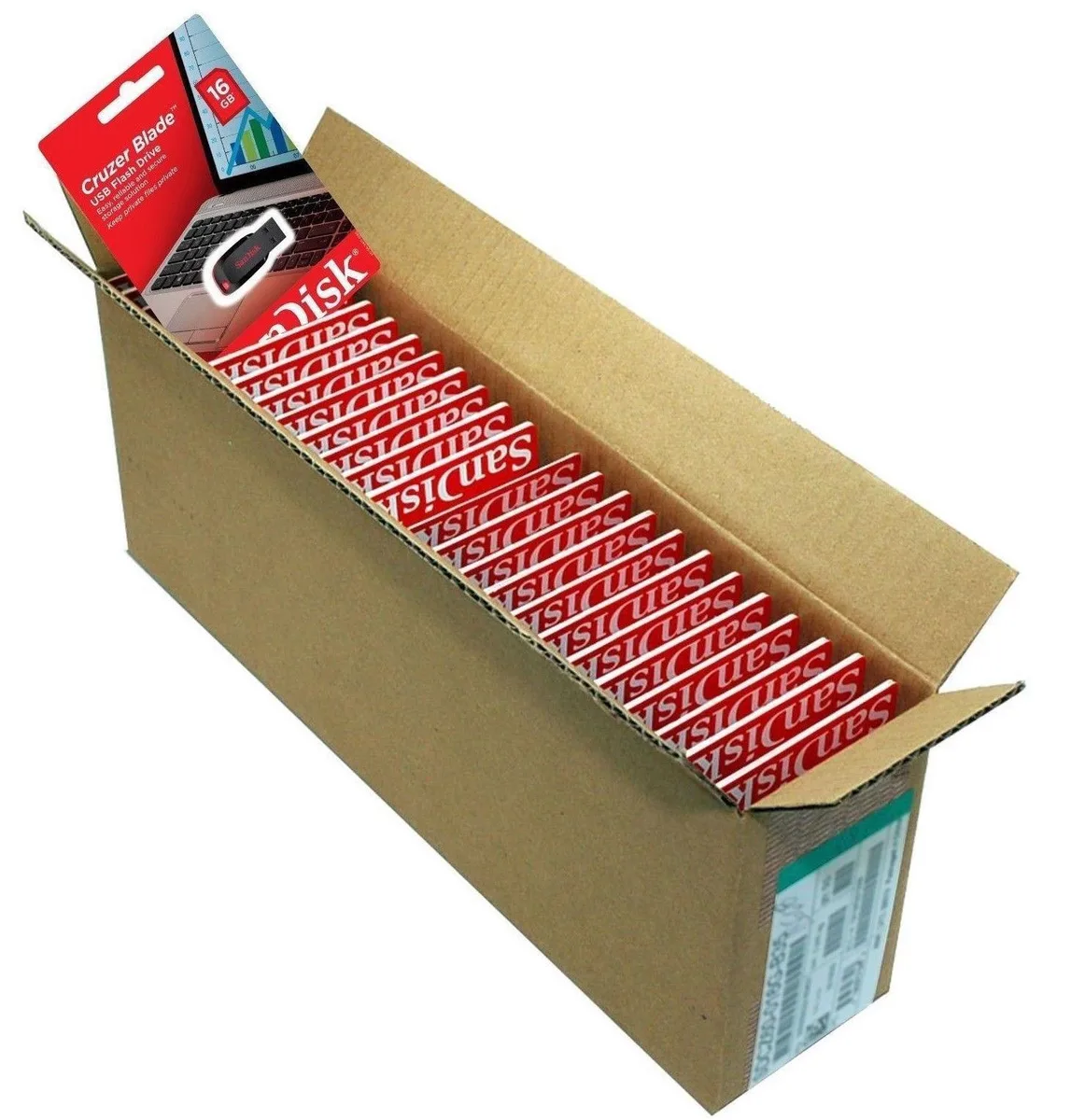
SanDisk Cruzer Blade 8 GB USB 2.0 USB flash drive Black SDCZ50-008G-B35
391,99 US$
0.00501651BTC
I lagerVi tar emot kryptovaluta — så att kryptot du äger kan köpa riktig hårdvara.Betala med krypto, använd det till riktig hårdvara. Fri, försäkrad frakt över hela världen vid köp över 399 $. Neutrala, omärkta ytterkartonger, skickade från Tyskland.Fri, försäkrad frakt över 399 $. Din kurs låses i 30 minuter så snart kassan öppnas.Kursen låst i 30 minuter. Varje artikel är förseglad, har kontrollerat serienummer och täcks av 24 månaders garanti.Förseglad, 24 månaders garanti.


LORDWORLD
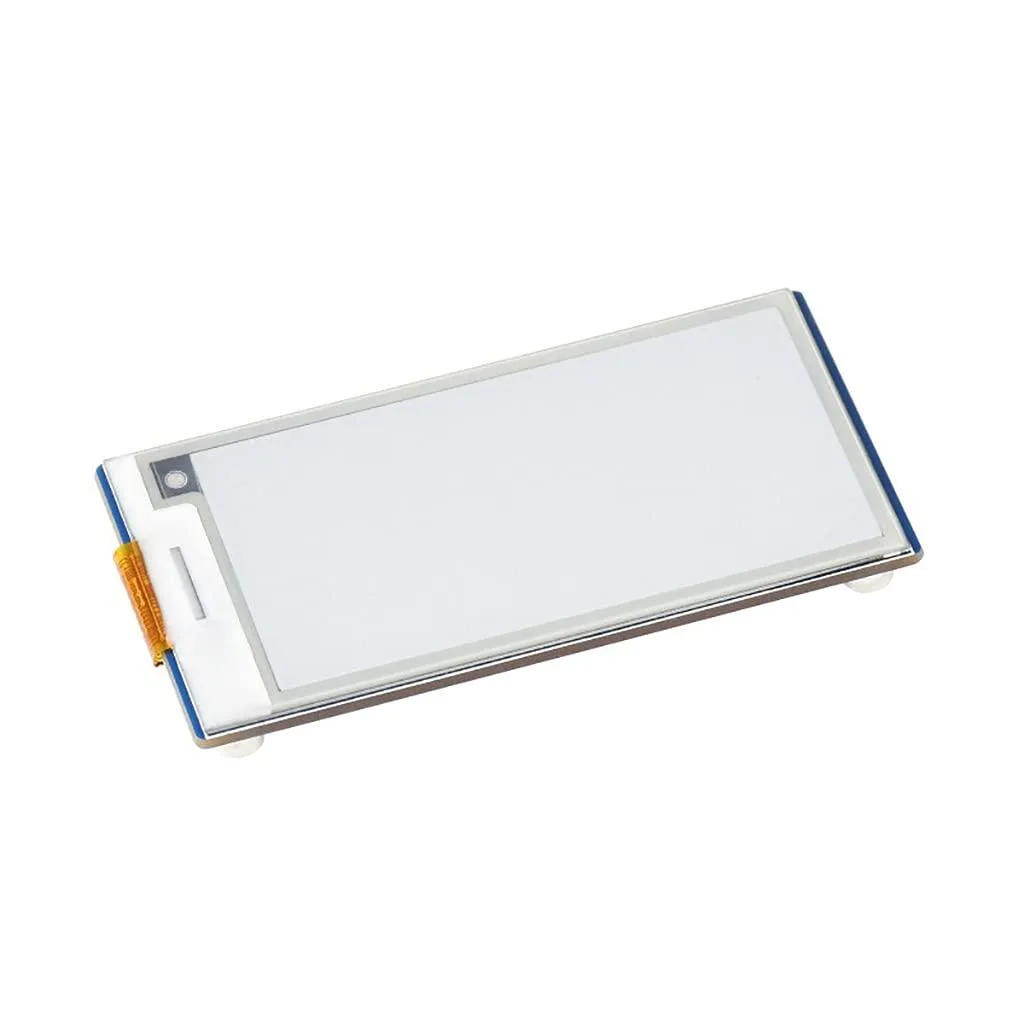
2.66 inch e-paper display with 296×152 resolution, SPI interface and partial refresh for Raspberry Pi Pico projects
This 2.66-inch e-paper display module targets makers building low-power projects with a Raspberry Pi Pico. It shows black and white content at 296×152 pixels and retains the last image without any backlight when power is removed. The board connects through a standard SPI interface that uses only a few GPIO pins. Example code in C/C++ and MicroPython is included to speed up development.
Because the panel is bi-stable, it draws current only during a refresh and consumes virtually nothing while holding a static image. No backlight means no continuous illumination load and no fan or active cooling is required. The board therefore runs silently and stays cool even during frequent partial updates. This behaviour suits battery-powered or solar-charged nodes that must operate for weeks between charges.
The compact PCB exposes the SPI pins and power rails on a standard header that plugs directly into a Pico or a compatible breadboard layout. Mounting holes are not described in the data, so mechanical fixing relies on the pin friction or an external carrier. The supplied documentation covers wiring, driver initialisation and partial-refresh timing for both supported languages. Projects needing colour, greyscale or a larger active area will require a different module.
| Brand | LORDWORLD |
|---|
Connect the module's SPI pins to the matching Pico GPIO header using the provided wiring diagram; the common error is swapping the CS and DC lines, which prevents the display from initialising.
The e-paper film itself retains images without power, so no scheduled replacement is required; only the connector or flex cable may wear if repeatedly disconnected.
Partial refresh is supported, but full-screen updates take several hundred milliseconds, so the refresh interval is the first limit hit in rapid-redraw applications.
Även i den här avdelningen
Samma hylla, samma kassa — åtta mynt och ett 30-minuters kurslås.
Det du betalar med, och det du ser priserna i.
Skickas från din plånbok i kassan
Endast visning — katalogen är prissatt i US-dollar
Ingen valuta matchar.
Välj det språk du vill att webbplatsen ska visas på.
Inga språk matchar.
Ny här?
Har du redan ett konto?
Det finns ingen automatisk återställning: den här butiken skickar inga e-postmeddelanden, så det finns ingen engångslänk att begära. Lämna adressen kopplad till kontot, så hanteras den för hand.
Förfrågan noterad
Inget är på väg till din inkorg — den här butiken skickar aldrig e-post. Någon tar hand om detta manuellt.
Kom du på det?