SanDisk
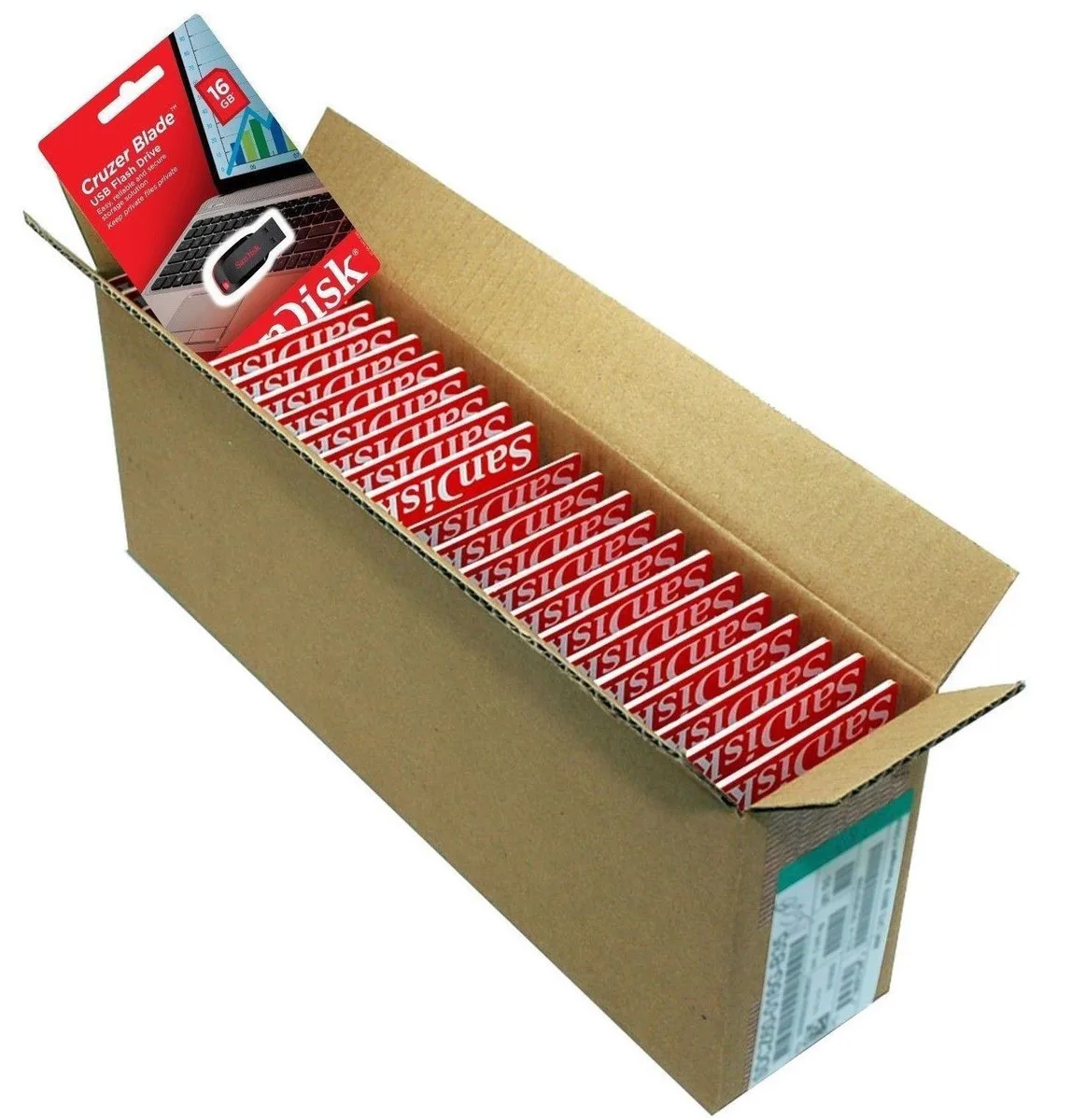
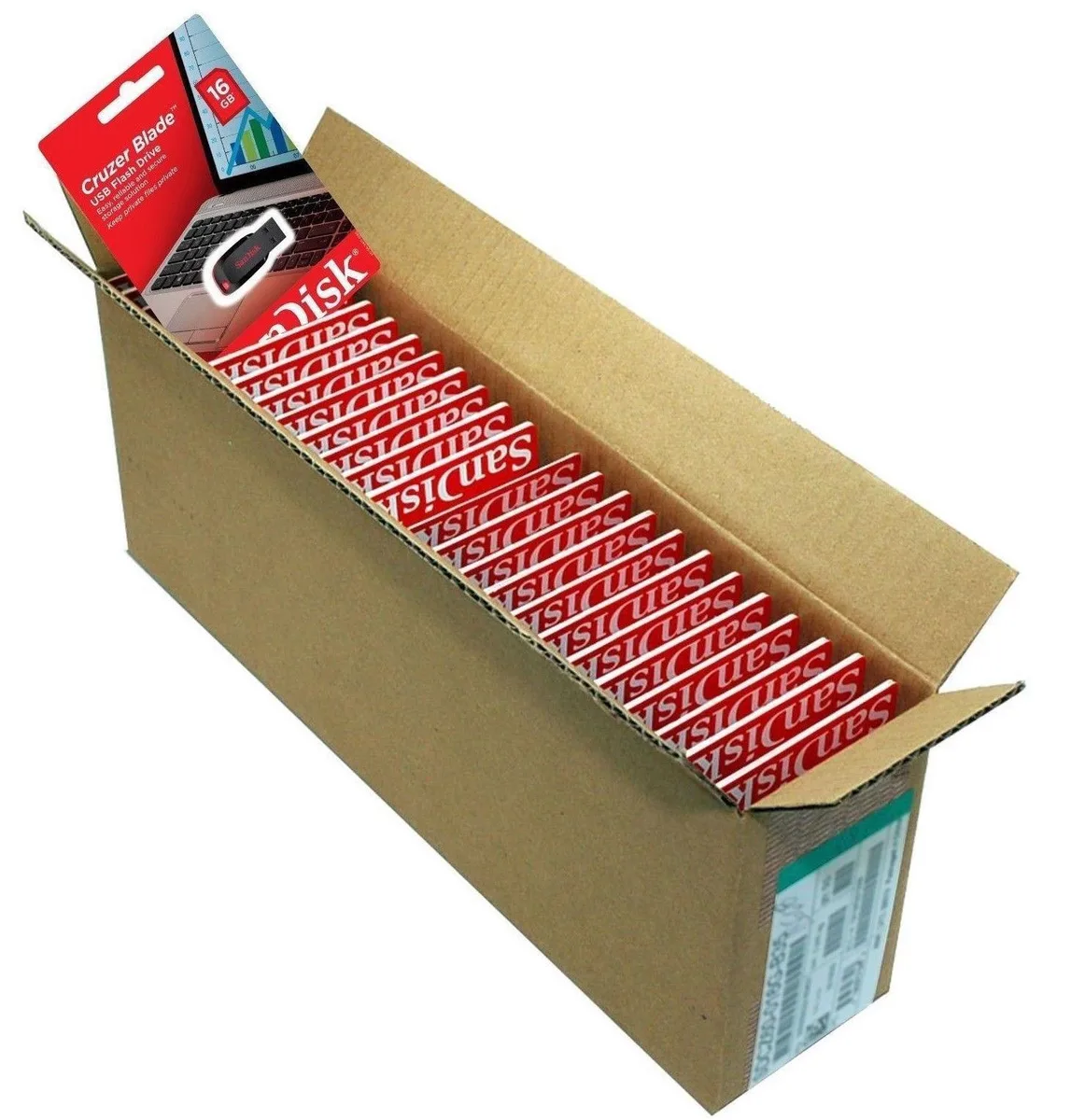
SanDisk Cruzer Blade 8 GB USB 2.0 USB flash drive Black SDCZ50-008G-B35
391,99 USD
0.00501016BTC
DisponibileAccettiamo criptovalute — così le crypto che Lei possiede possono comprare hardware reale.Paghi in crypto, la spenda in hardware reale. Spedizione assicurata gratuita in tutto il mondo oltre i 399 $. Cartoni neutri, senza marchio, spediti dalla Germania.Spedizione assicurata gratuita oltre i 399 $. Il Suo tasso resta bloccato per 30 minuti dall’apertura del checkout.Tasso bloccato 30 minuti. Ogni articolo è sigillato, il numero di serie è verificato, ed è coperto da una garanzia di 24 mesi.Sigillato, garantito 24 mesi.


LORDWORLD
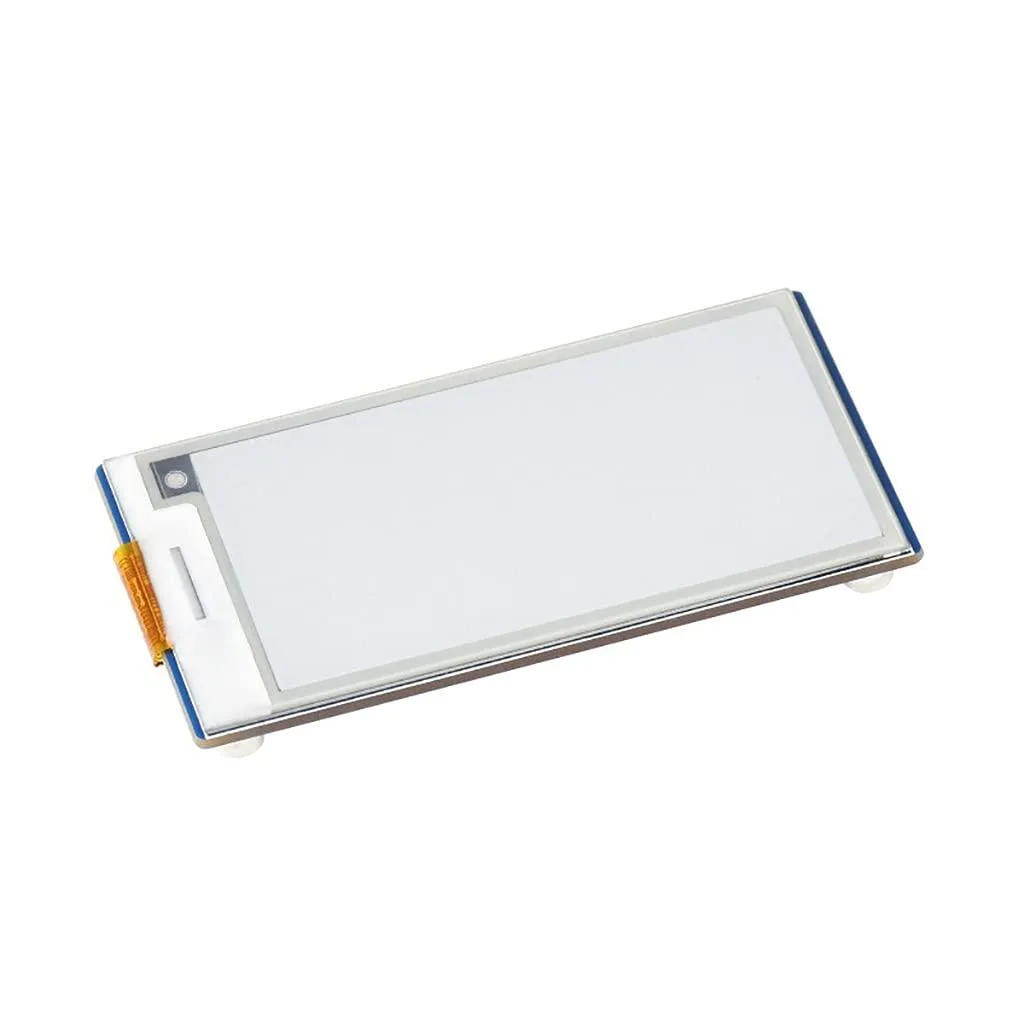
2.66 inch e-paper display with 296×152 resolution, SPI interface and partial refresh for Raspberry Pi Pico projects
This 2.66-inch e-paper display module targets makers building low-power projects with a Raspberry Pi Pico. It shows black and white content at 296×152 pixels and retains the last image without any backlight when power is removed. The board connects through a standard SPI interface that uses only a few GPIO pins. Example code in C/C++ and MicroPython is included to speed up development.
Because the panel is bi-stable, it draws current only during a refresh and consumes virtually nothing while holding a static image. No backlight means no continuous illumination load and no fan or active cooling is required. The board therefore runs silently and stays cool even during frequent partial updates. This behaviour suits battery-powered or solar-charged nodes that must operate for weeks between charges.
The compact PCB exposes the SPI pins and power rails on a standard header that plugs directly into a Pico or a compatible breadboard layout. Mounting holes are not described in the data, so mechanical fixing relies on the pin friction or an external carrier. The supplied documentation covers wiring, driver initialisation and partial-refresh timing for both supported languages. Projects needing colour, greyscale or a larger active area will require a different module.
| Brand | LORDWORLD |
|---|
Connect the module's SPI pins to the matching Pico GPIO header using the provided wiring diagram; the common error is swapping the CS and DC lines, which prevents the display from initialising.
The e-paper film itself retains images without power, so no scheduled replacement is required; only the connector or flex cable may wear if repeatedly disconnected.
Partial refresh is supported, but full-screen updates take several hundred milliseconds, so the refresh interval is the first limit hit in rapid-redraw applications.
Anche in questo reparto
Stesso reparto, stessa cassa — otto monete e un cambio bloccato per 30 minuti.
Cosa invia per pagare, e in quale valuta legge i prezzi.
Inviato dal Suo portafoglio alla cassa
Solo a titolo indicativo — il catalogo è espresso in dollari
Nessuna valuta corrisponde.
Scelga la lingua in cui il sito Le parla.
Nessuna lingua corrisponde.
Prima visita?
Ne ha già uno?
Non esiste un ripristino automatico: questo negozio non invia e-mail, quindi non esiste alcun link monouso da richiedere. Lasci l’indirizzo sull’account: verrà gestito manualmente.
Richiesta registrata
Non arriverà nulla nella Sua casella di posta — questo negozio non invia e-mail. Qualcuno se ne occupa manualmente.
L’ha ritrovata?