SanDisk
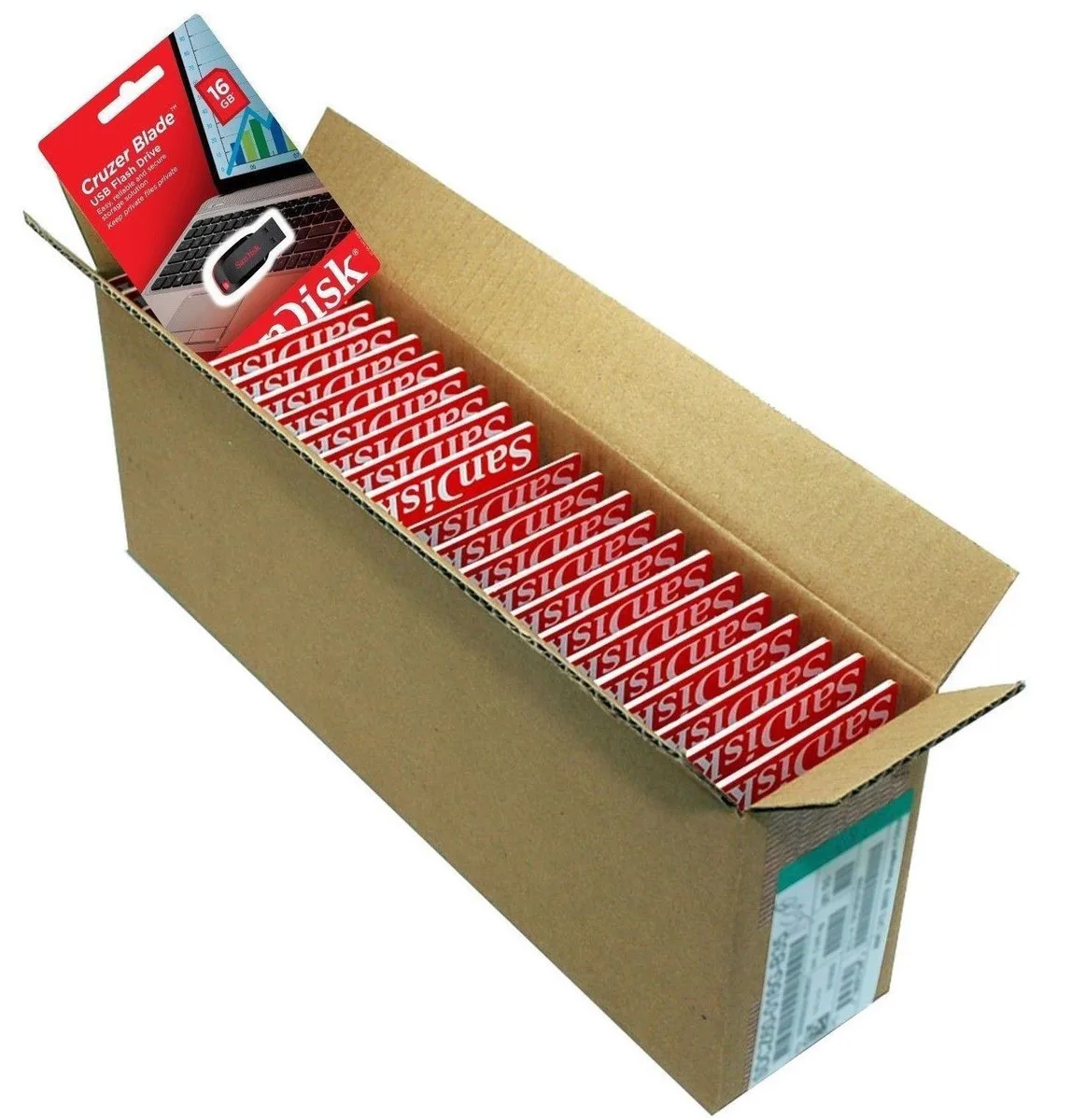
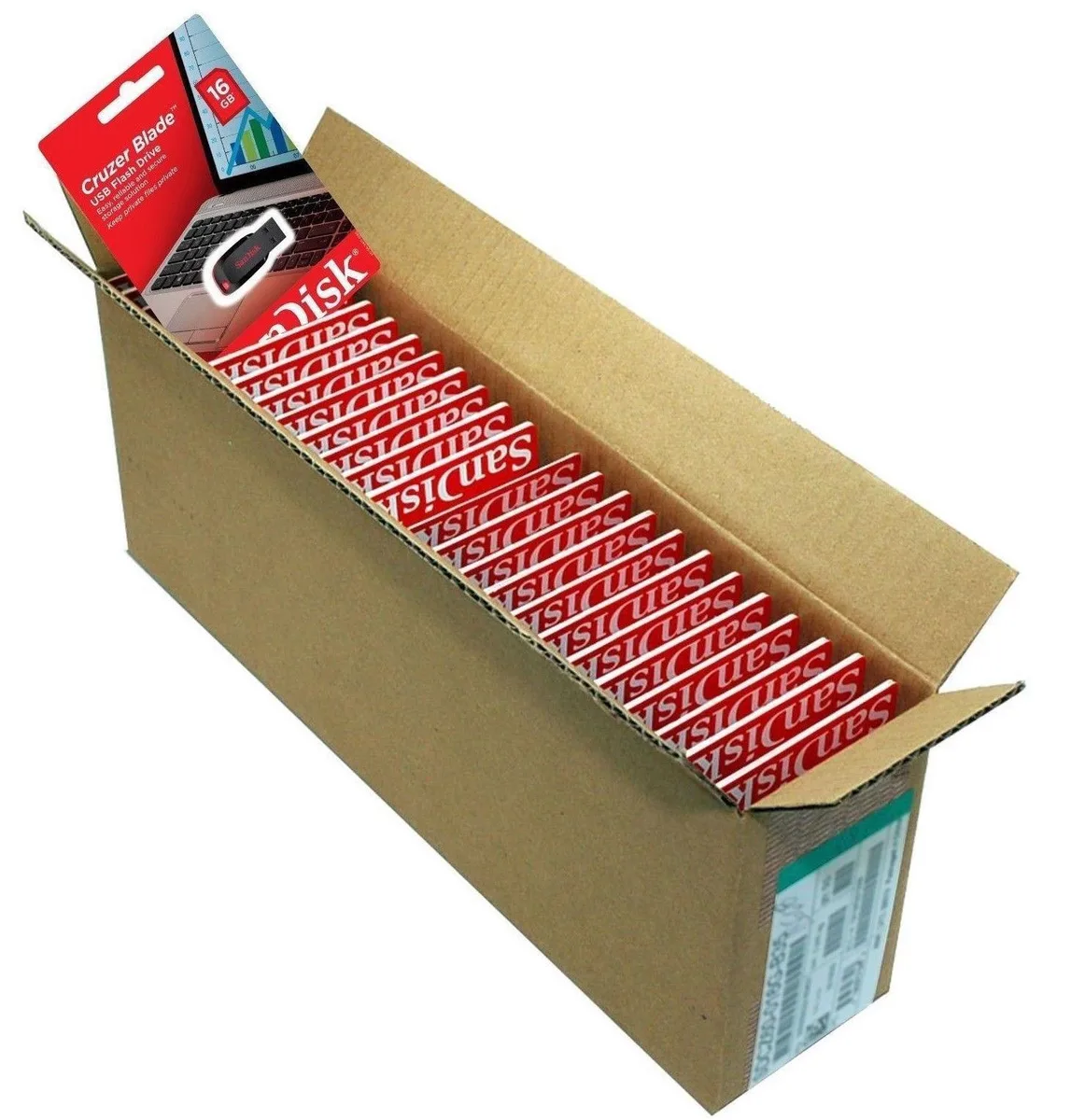
SanDisk Cruzer Blade 8 GB USB 2.0 USB flash drive Black SDCZ50-008G-B35
391,99 USD
0.0050167BTC
Yra sandėlyjePriimame kriptovaliutą — taip monetos, kurias turite, gali nupirkti tikrą techniką.Mokėkite kriptovaliuta, išleiskite ją tikrai technikai. Nemokamas apdraustas pristatymas visame pasaulyje virš 399 $. Paprastos, be žymų siuntos dėžės, siunčiamos iš Vokietijos.Nemokamas apdraustas pristatymas virš 399 $. Jūsų kursas fiksuojamas 30 minučių, kai tik prasideda atsiskaitymas.Kursas fiksuojamas 30 minučių. Kiekvienas gaminys užplombuotas, jo serijos numeris patikrintas, ir jam taikoma 24 mėnesių garantija.Užplombuota, 24 mėnesių garantija.


MCDODO
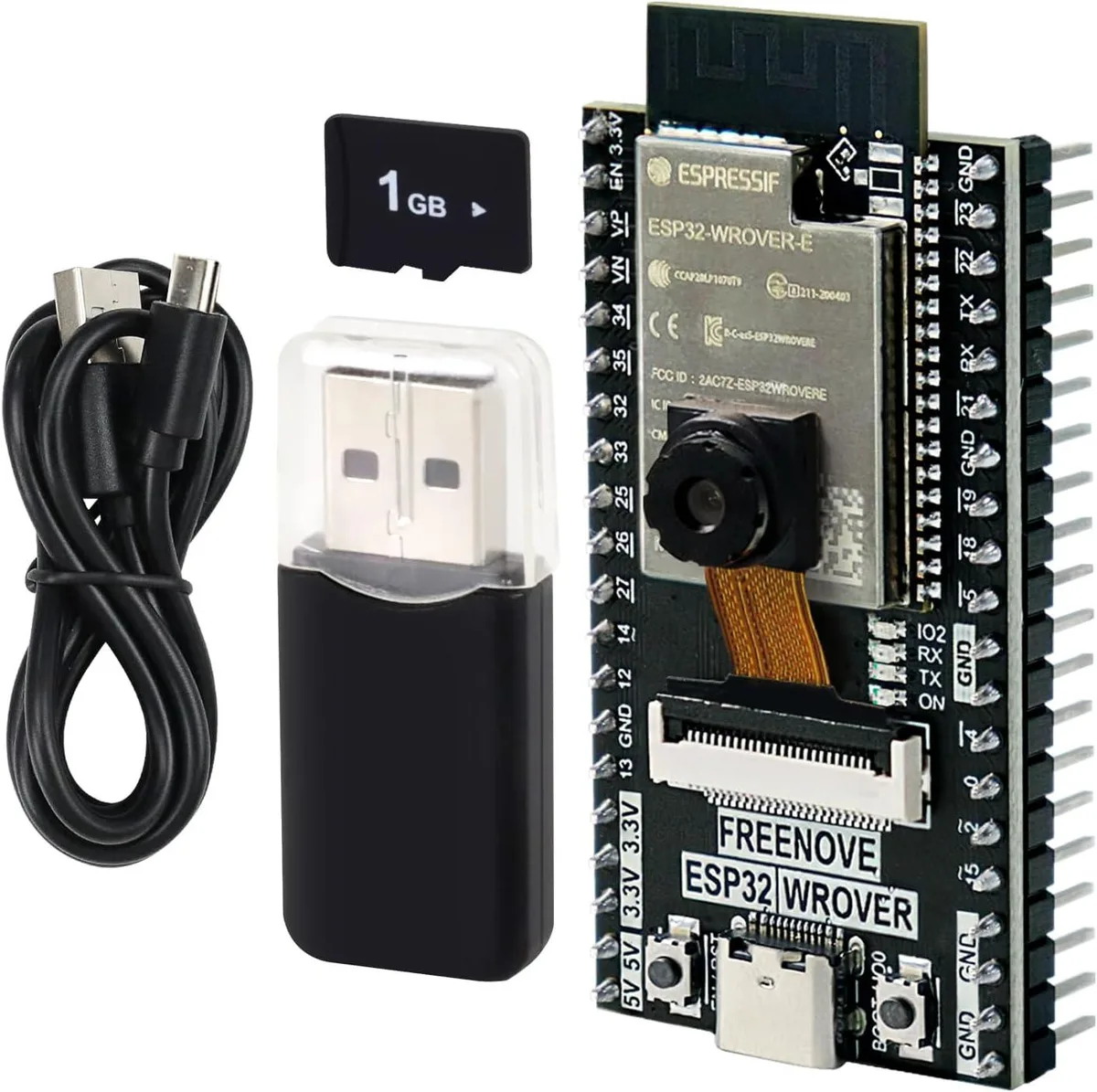
ESP32-CAM development board with dual-core 32-bit processor at 240 MHz, 2.4 GHz Wi-Fi, Bluetooth 4.2, onboard camera, and MicroPython/C tutorials
The MCDODO Freenove ESP32 CAM kit provides a dual-core 32-bit microcontroller running at 240 MHz with 4 MB flash and 8 MB PSRAM. It includes an onboard camera, 2.4 GHz Wi-Fi, and Bluetooth 4.2 for wireless IoT projects. A 1 GB memory card and card reader are supplied for local storage. Tutorials and example projects in MicroPython and C guide beginners through setup and programming.
The dual-core 32-bit processor handles continuous image capture and wireless transmission without relying on burst performance. The 8 MB PSRAM supports frame buffering during extended streaming or time-lapse sequences. Onboard Wi-Fi and Bluetooth 4.2 maintain connectivity for long-running sensor nodes or remote monitoring tasks. The board draws power directly from the USB connection during development and deployment.
The 2.4 GHz Wi-Fi band offers wide compatibility but shares spectrum with many household devices, which can affect throughput in dense environments. Bluetooth 4.2 LE is suited for low-bandwidth sensor links rather than high-speed data transfer. The single antenna serves both radios, so simultaneous heavy Wi-Fi and Bluetooth traffic may reduce reliability. Range depends on antenna orientation and surrounding obstacles.
| Type | Single Board Computers |
|---|
The board runs from a standard USB 5 V supply; typical active current is well within a laptop port or phone charger budget, and deep-sleep modes drop consumption to micro-amp levels for battery projects.
A computer with the Arduino IDE or MicroPython toolchain installed, a USB-A to Micro-USB cable, and the supplied 1 GB micro-SD card with reader for storage-heavy sketches.
Both Wi-Fi and Bluetooth share the 2.4 GHz band, but the ESP32’s coexistence mechanism time-slices the antennas so legacy keyboards, mice or sensors stay connected while the board streams camera data.
Taip pat šiame skyriuje
Ta pati lentyna, tas pats atsiskaitymas — aštuonios monetos ir 30 minučių fiksuotas kursas.
Tai, kuo mokate, ir valiuta, kuria matote kainas.
Išsiunčiama iš Jūsų piniginės atsiskaitant
Tik rodoma — katalogo kainos nurodytos doleriais
Tokios valiutos nerasta.
Pasirinkite kalbą, kuria Jums kalbės svetainė.
Tokios kalbos nerasta.
Pirmą kartą čia?
Jau turite paskyrą?
Automatinio atstatymo nėra: ši parduotuvė nesiunčia jokių el. laiškų, todėl nėra jokios vienkartinės nuorodos, kurios būtų galima paprašyti. Palikite adresą paskyroje, ir juo bus pasirūpinta rankiniu būdu.
Prašymas užfiksuotas
Į Jūsų pašto dėžutę niekas nekeliauja — ši parduotuvė apskritai nesiunčia jokių el. laiškų. Šiuos prašymus kažkas peržiūri rankiniu būdu.
Prisiminėte?