SanDisk
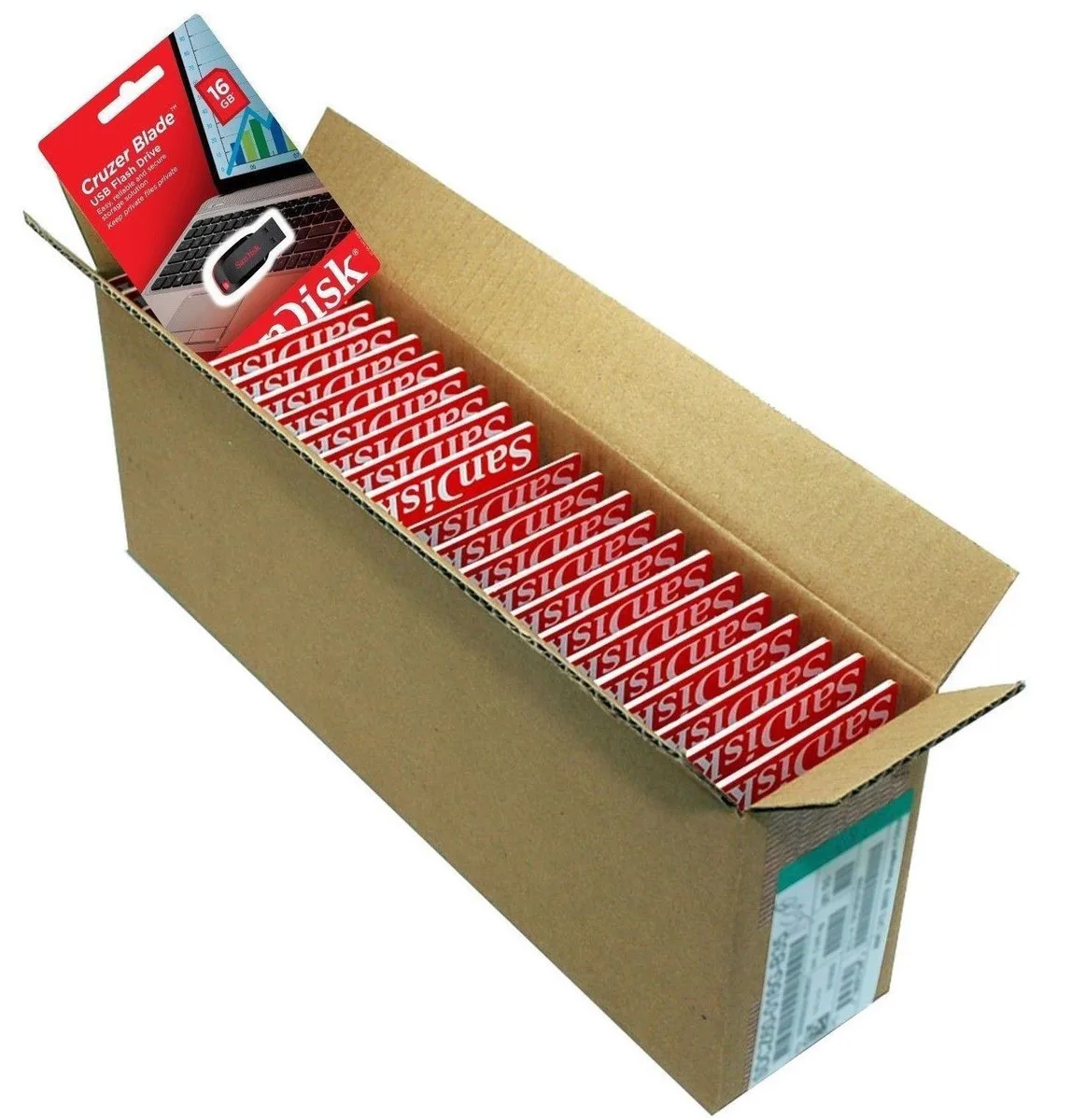
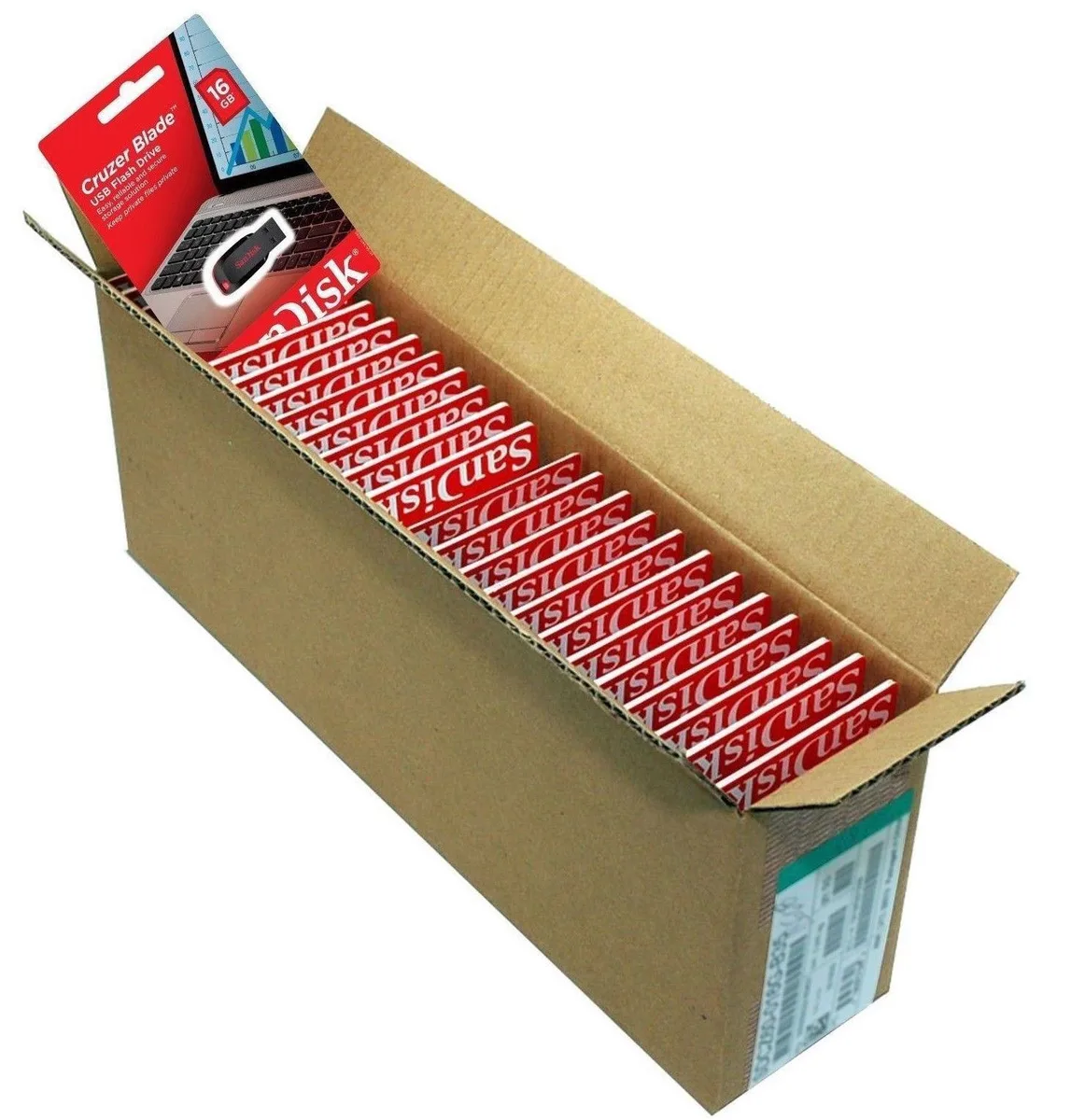
SanDisk Cruzer Blade 8 GB USB 2.0 USB flash drive Black SDCZ50-008G-B35
391,99 $
0.00501799BTC
Auf LagerWir akzeptieren Kryptowährungen — so können die Coins, die Sie besitzen, echte Hardware kaufen.Zahlen Sie mit Krypto, geben Sie sie für echte Hardware aus. Weltweit kostenloser versicherter Versand ab 399 $. Neutrale Kartons ohne Markenaufdruck, versendet aus Deutschland.Kostenloser versicherter Versand ab 399 $. Ihr Kurs wird 30 Minuten lang gesperrt, sobald die Kasse geöffnet wird.Kurs 30 Minuten gesperrt. Jeder Artikel ist versiegelt, die Seriennummer wird geprüft, und es gilt eine Garantie von 24 Monaten.Versiegelt, 24 Monate Garantie.


MCDODO
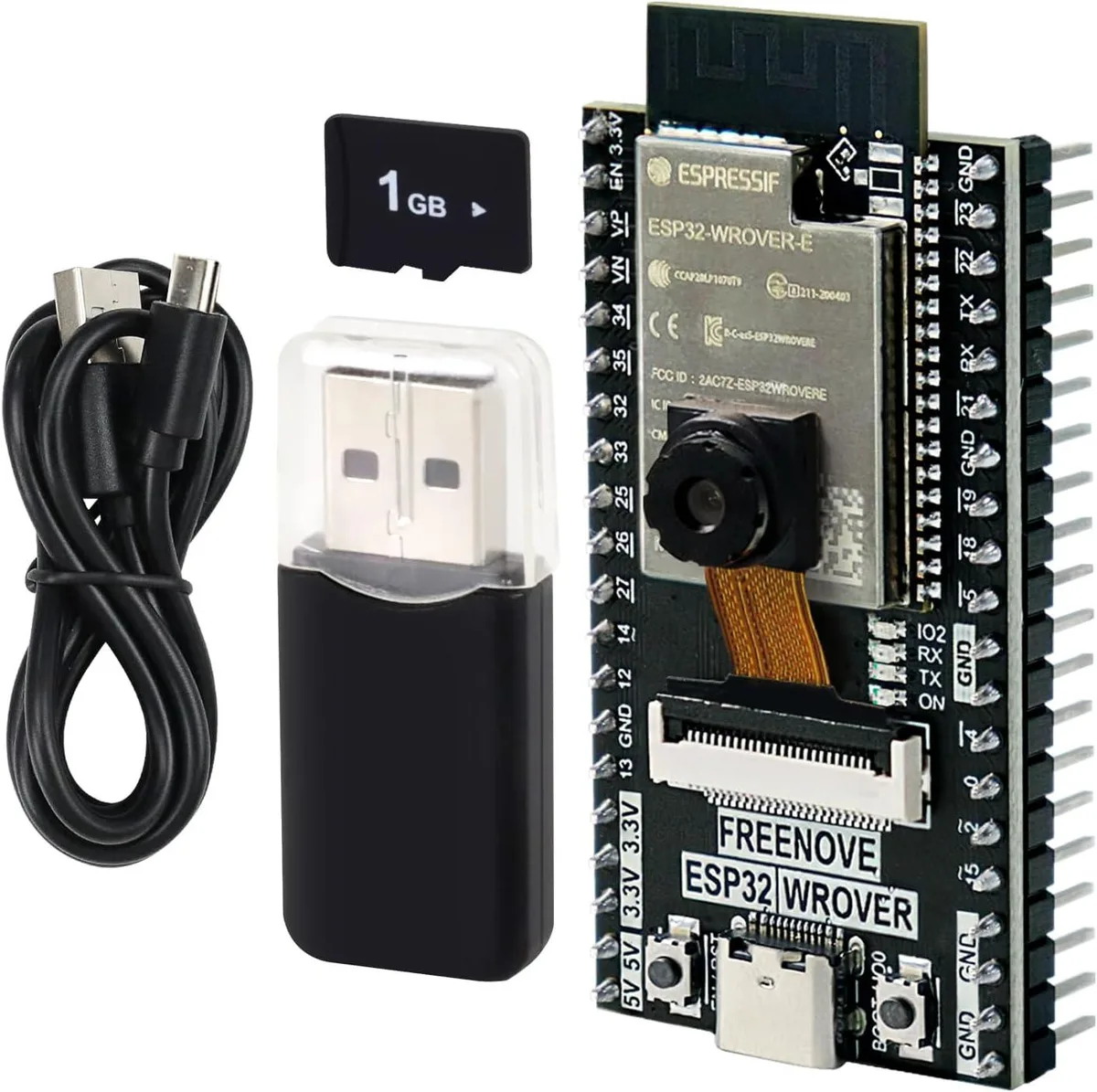
ESP32-CAM development board with dual-core 32-bit processor at 240 MHz, 2.4 GHz Wi-Fi, Bluetooth 4.2, onboard camera, and MicroPython/C tutorials
The MCDODO Freenove ESP32 CAM kit provides a dual-core 32-bit microcontroller running at 240 MHz with 4 MB flash and 8 MB PSRAM. It includes an onboard camera, 2.4 GHz Wi-Fi, and Bluetooth 4.2 for wireless IoT projects. A 1 GB memory card and card reader are supplied for local storage. Tutorials and example projects in MicroPython and C guide beginners through setup and programming.
The dual-core 32-bit processor handles continuous image capture and wireless transmission without relying on burst performance. The 8 MB PSRAM supports frame buffering during extended streaming or time-lapse sequences. Onboard Wi-Fi and Bluetooth 4.2 maintain connectivity for long-running sensor nodes or remote monitoring tasks. The board draws power directly from the USB connection during development and deployment.
The 2.4 GHz Wi-Fi band offers wide compatibility but shares spectrum with many household devices, which can affect throughput in dense environments. Bluetooth 4.2 LE is suited for low-bandwidth sensor links rather than high-speed data transfer. The single antenna serves both radios, so simultaneous heavy Wi-Fi and Bluetooth traffic may reduce reliability. Range depends on antenna orientation and surrounding obstacles.
| Type | Single Board Computers |
|---|
The board runs from a standard USB 5 V supply; typical active current is well within a laptop port or phone charger budget, and deep-sleep modes drop consumption to micro-amp levels for battery projects.
A computer with the Arduino IDE or MicroPython toolchain installed, a USB-A to Micro-USB cable, and the supplied 1 GB micro-SD card with reader for storage-heavy sketches.
Both Wi-Fi and Bluetooth share the 2.4 GHz band, but the ESP32’s coexistence mechanism time-slices the antennas so legacy keyboards, mice or sensors stay connected while the board streams camera data.
Ebenfalls in dieser Kategorie
Gleiche Abteilung, gleiche Kasse — acht Kryptowährungen und ein für 30 Minuten fixierter Kurs.
Womit Sie bezahlen und in welcher Währung Sie die Preise sehen.
Wird von Ihrem Wallet an der Kasse gesendet
Nur zur Anzeige — der Katalog ist in US-Dollar ausgezeichnet
Keine passende Währung gefunden.
Wählen Sie die Sprache, in der die Seite mit Ihnen spricht.
Keine passende Sprache gefunden.
Neu hier?
Haben Sie bereits eins?
Es gibt keine automatische Zurücksetzung: Dieser Shop versendet keine E-Mails, daher gibt es auch keinen Einmal-Link, den Sie anfordern könnten. Lassen Sie die im Konto hinterlegte Adresse stehen, sie wird von Hand bearbeitet.
Anfrage vermerkt
Es ist nichts auf dem Weg in Ihr Postfach — dieser Shop versendet grundsätzlich keine E-Mails. Jemand bearbeitet diese Anfragen von Hand.
Wieder eingefallen?