SanDisk
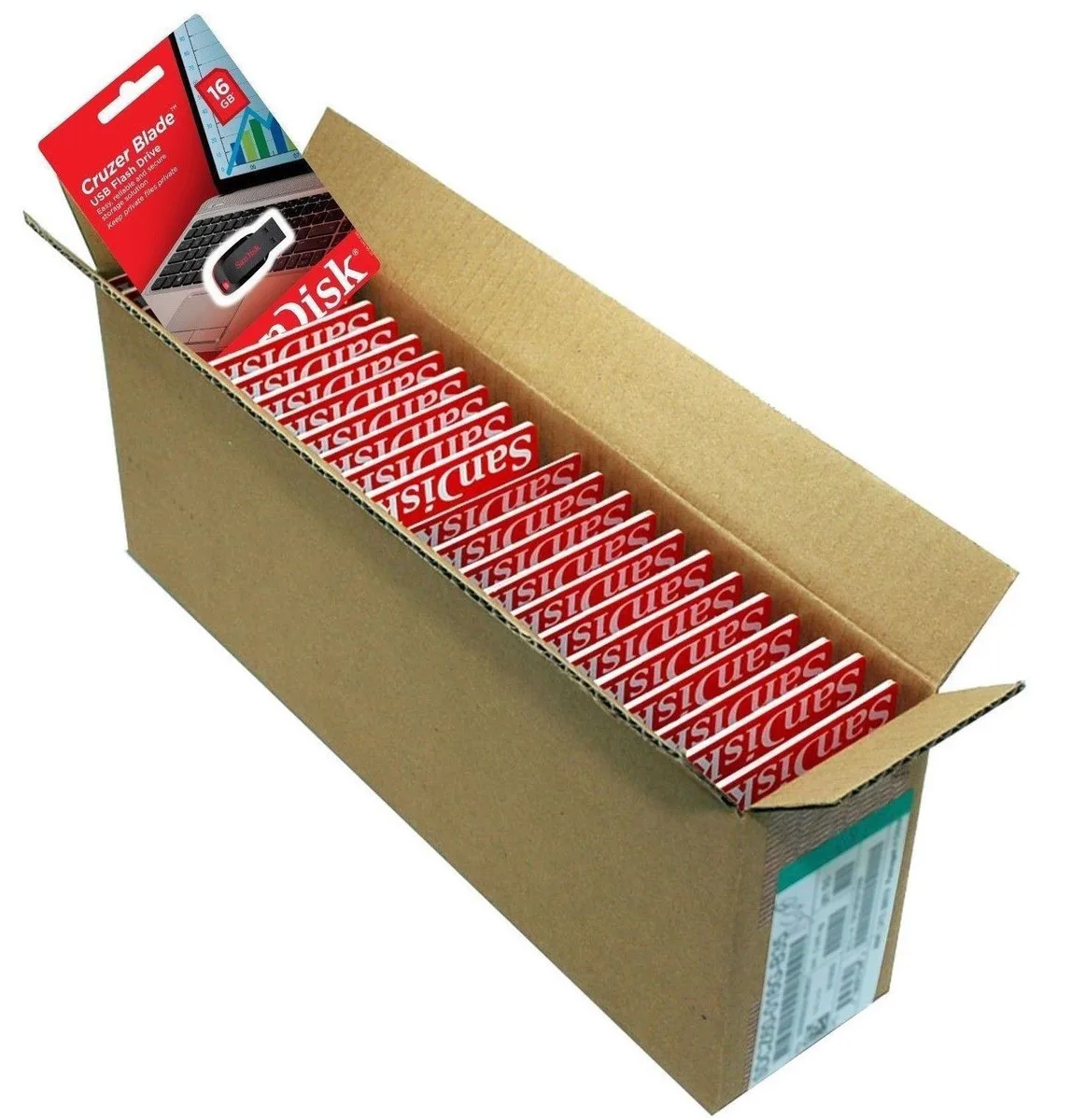
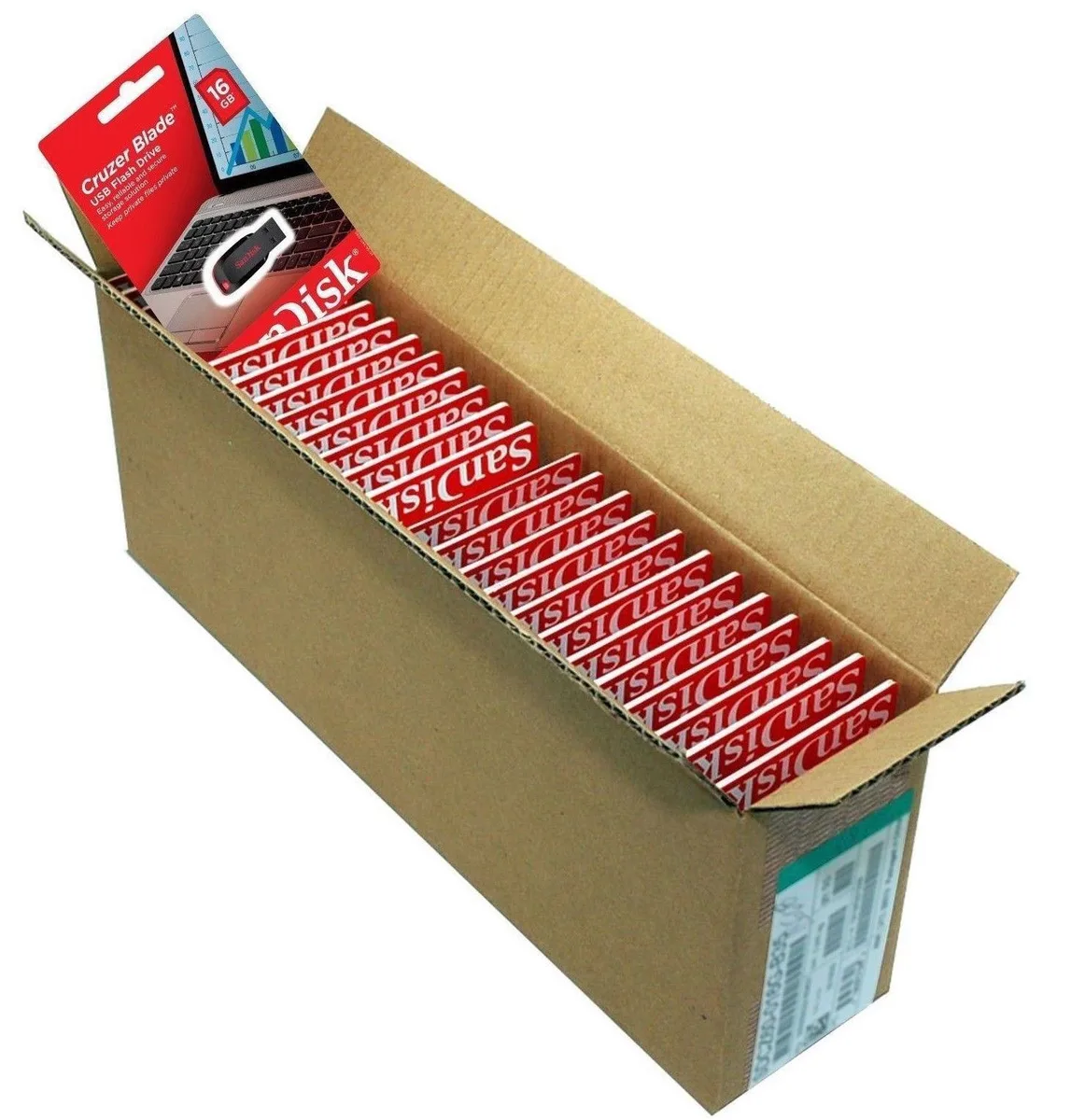
SanDisk Cruzer Blade 8 GB USB 2.0 USB flash drive Black SDCZ50-008G-B35
391,99 US$
0.00501657BTC
En stockAceptamos criptomonedas — así, las criptos que usted tiene pueden comprar hardware real.Pague en cripto y gástela en hardware real. Envío asegurado gratis a nivel mundial a partir de $399. Cajas neutras, sin marca, enviadas desde Alemania.Envío asegurado gratis a partir de $399. Su cotización queda bloqueada 30 minutos en cuanto se abre el pago.Cotización bloqueada 30 minutos. Todos los artículos vienen sellados, con el número de serie verificado y cubiertos por una garantía de 24 meses.Sellado, con 24 meses de garantía.


MCDODO
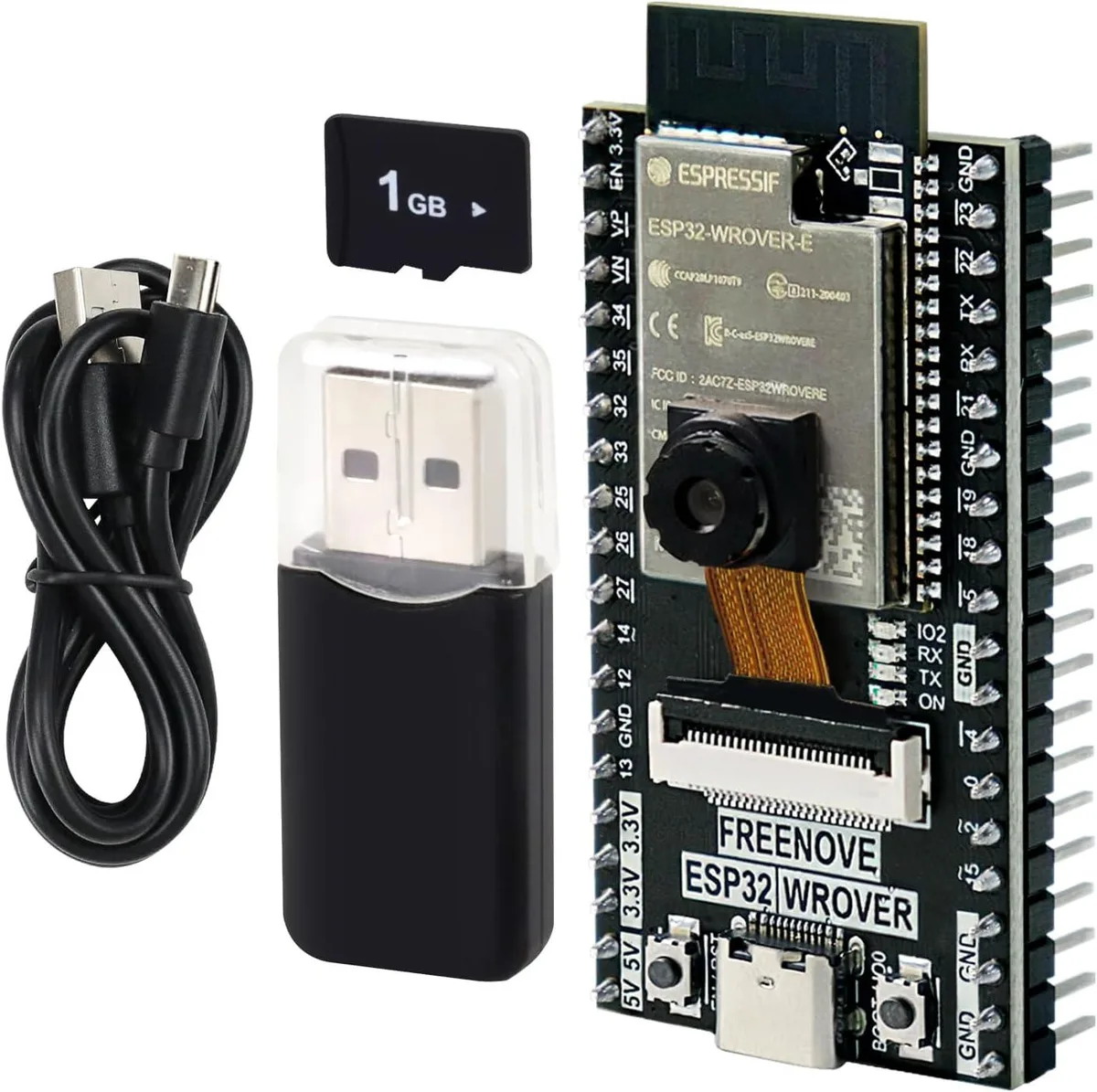
ESP32-CAM development board with dual-core 32-bit processor at 240 MHz, 2.4 GHz Wi-Fi, Bluetooth 4.2, onboard camera, and MicroPython/C tutorials
The MCDODO Freenove ESP32 CAM kit provides a dual-core 32-bit microcontroller running at 240 MHz with 4 MB flash and 8 MB PSRAM. It includes an onboard camera, 2.4 GHz Wi-Fi, and Bluetooth 4.2 for wireless IoT projects. A 1 GB memory card and card reader are supplied for local storage. Tutorials and example projects in MicroPython and C guide beginners through setup and programming.
The dual-core 32-bit processor handles continuous image capture and wireless transmission without relying on burst performance. The 8 MB PSRAM supports frame buffering during extended streaming or time-lapse sequences. Onboard Wi-Fi and Bluetooth 4.2 maintain connectivity for long-running sensor nodes or remote monitoring tasks. The board draws power directly from the USB connection during development and deployment.
The 2.4 GHz Wi-Fi band offers wide compatibility but shares spectrum with many household devices, which can affect throughput in dense environments. Bluetooth 4.2 LE is suited for low-bandwidth sensor links rather than high-speed data transfer. The single antenna serves both radios, so simultaneous heavy Wi-Fi and Bluetooth traffic may reduce reliability. Range depends on antenna orientation and surrounding obstacles.
| Type | Single Board Computers |
|---|
The board runs from a standard USB 5 V supply; typical active current is well within a laptop port or phone charger budget, and deep-sleep modes drop consumption to micro-amp levels for battery projects.
A computer with the Arduino IDE or MicroPython toolchain installed, a USB-A to Micro-USB cable, and the supplied 1 GB micro-SD card with reader for storage-heavy sketches.
Both Wi-Fi and Bluetooth share the 2.4 GHz band, but the ESP32’s coexistence mechanism time-slices the antennas so legacy keyboards, mice or sensors stay connected while the board streams camera data.
También en este pasillo
Mismo estante, mismo pago — ocho criptomonedas y un tipo de cambio fijado 30 minutos.
Lo que usted paga, y la moneda en la que lee los precios.
Se envía desde su billetera al finalizar la compra
Solo informativo — el catálogo está en dólares
Ninguna moneda coincide.
Elija el idioma en el que el sitio le habla.
Ningún idioma coincide.
¿Es nuevo aquí?
¿Ya tiene una?
No existe ningún restablecimiento automático: esta tienda no envía correos electrónicos, así que no hay ningún enlace de un solo uso que solicitar. Deje la dirección asociada a la cuenta y se atenderá de forma manual.
Solicitud registrada
No hay nada de camino a su bandeja de entrada: esta tienda no envía correos en absoluto. Alguien se encarga de esto manualmente.
¿La recordó?