SanDisk
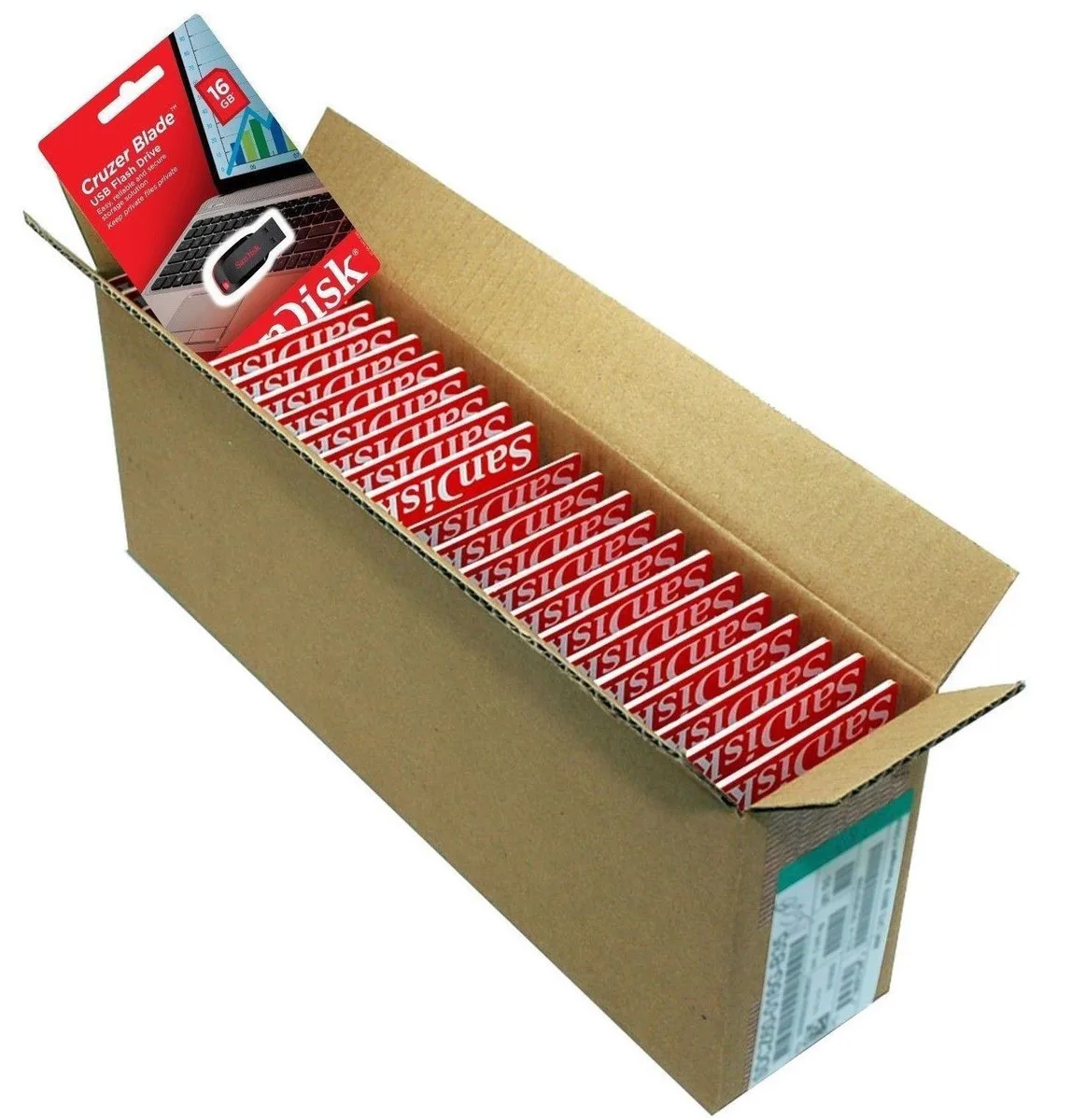
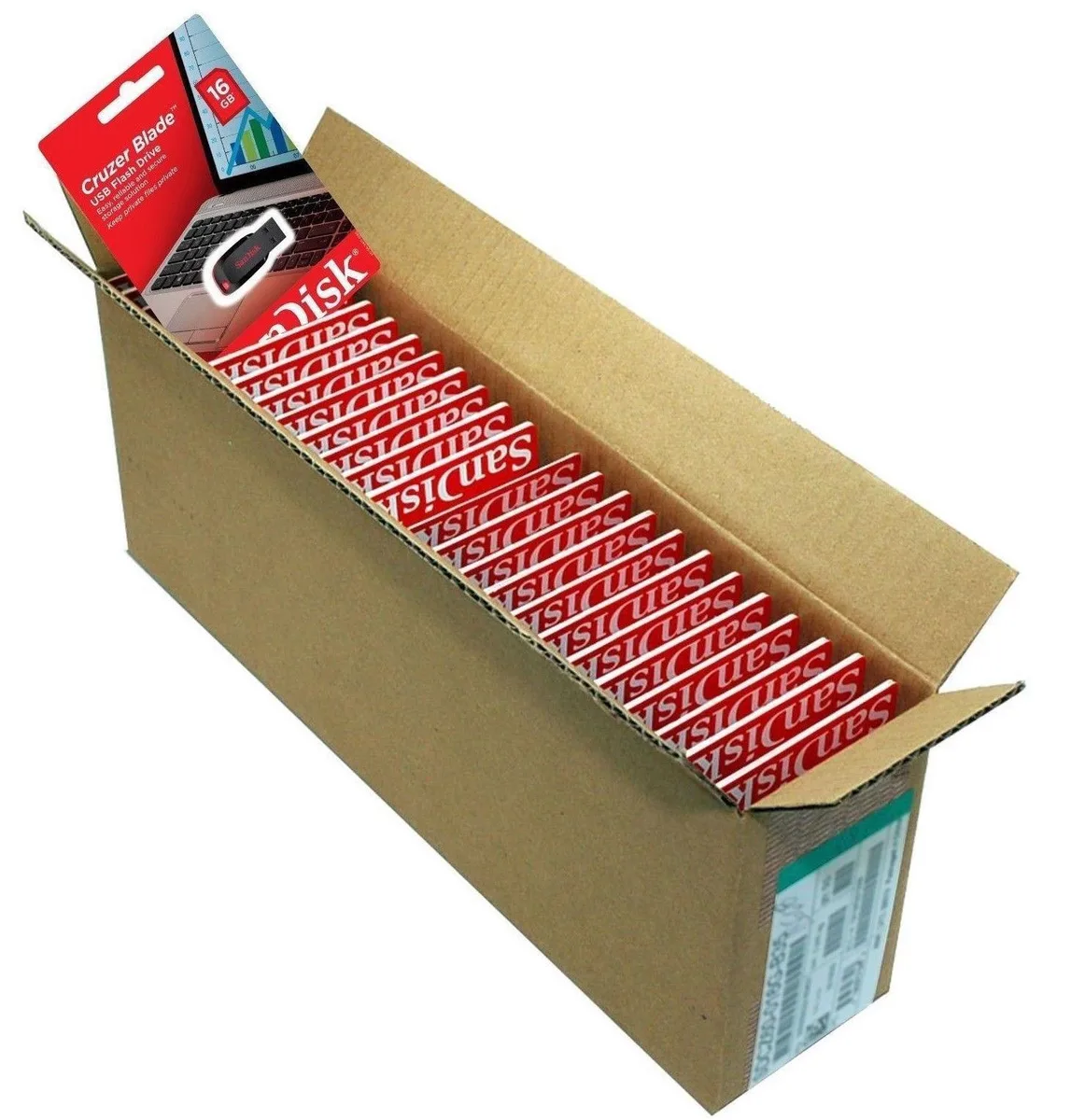
SanDisk Cruzer Blade 8 GB USB 2.0 USB flash drive Black SDCZ50-008G-B35
391,99 $US
0.00498417BTC
En stockNous acceptons la cryptomonnaie — les cryptos que vous détenez peuvent ainsi acheter du matériel réel.Payez en crypto, dépensez-la en matériel réel. Livraison assurée offerte partout dans le monde au-delà de 399 $. Cartons neutres, sans marque, expédiés depuis l’Allemagne.Livraison assurée offerte au-delà de 399 $. Votre taux est bloqué pendant 30 minutes dès l’ouverture de la caisse.Taux bloqué 30 minutes. Chaque article est scellé, son numéro de série est vérifié, et il est couvert par une garantie de 24 mois.Scellé, garanti 24 mois.


MCDODO
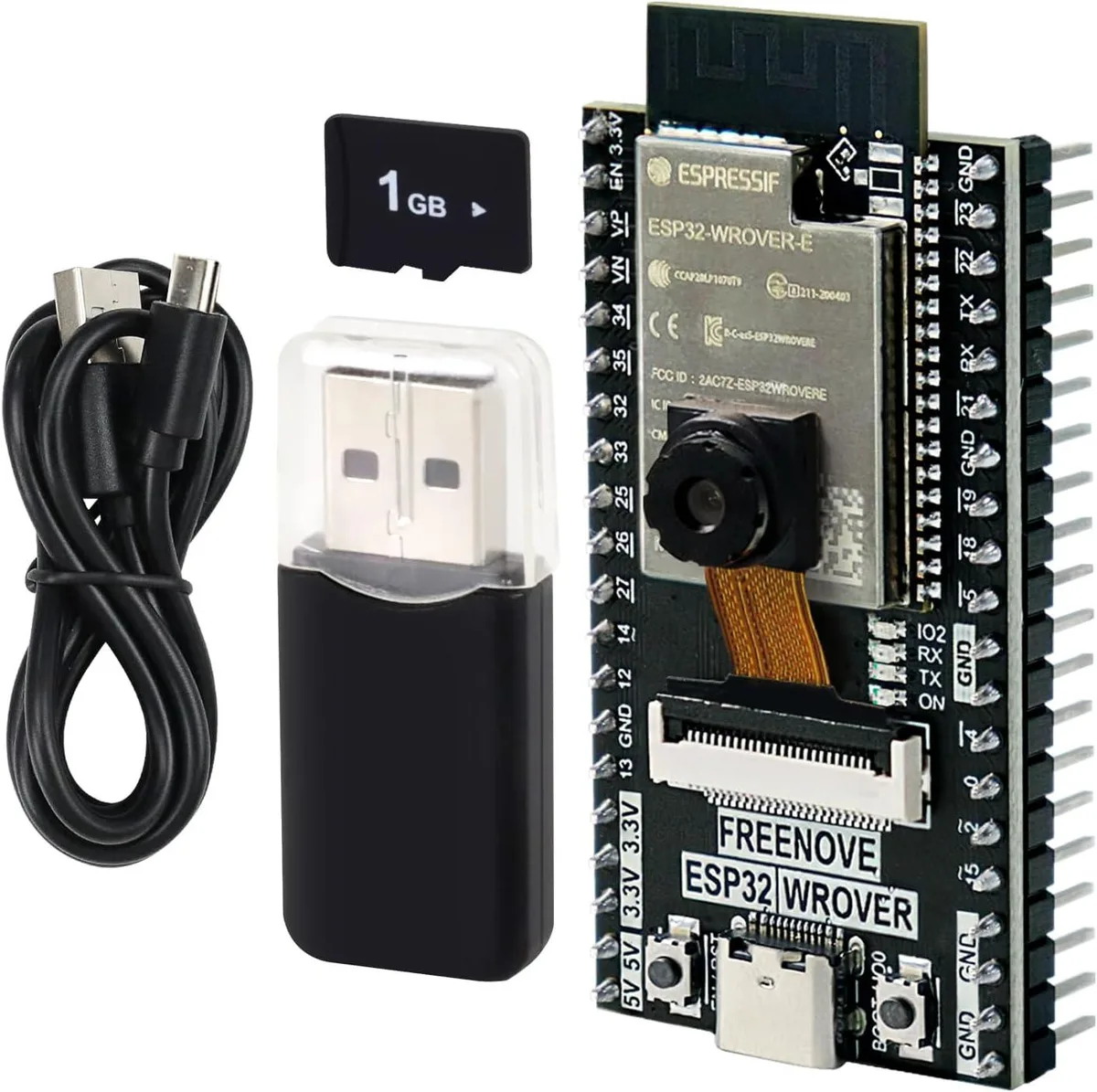
ESP32-CAM development board with dual-core 32-bit processor at 240 MHz, 2.4 GHz Wi-Fi, Bluetooth 4.2, onboard camera, and MicroPython/C tutorials
The MCDODO Freenove ESP32 CAM kit provides a dual-core 32-bit microcontroller running at 240 MHz with 4 MB flash and 8 MB PSRAM. It includes an onboard camera, 2.4 GHz Wi-Fi, and Bluetooth 4.2 for wireless IoT projects. A 1 GB memory card and card reader are supplied for local storage. Tutorials and example projects in MicroPython and C guide beginners through setup and programming.
The dual-core 32-bit processor handles continuous image capture and wireless transmission without relying on burst performance. The 8 MB PSRAM supports frame buffering during extended streaming or time-lapse sequences. Onboard Wi-Fi and Bluetooth 4.2 maintain connectivity for long-running sensor nodes or remote monitoring tasks. The board draws power directly from the USB connection during development and deployment.
The 2.4 GHz Wi-Fi band offers wide compatibility but shares spectrum with many household devices, which can affect throughput in dense environments. Bluetooth 4.2 LE is suited for low-bandwidth sensor links rather than high-speed data transfer. The single antenna serves both radios, so simultaneous heavy Wi-Fi and Bluetooth traffic may reduce reliability. Range depends on antenna orientation and surrounding obstacles.
| Type | Single Board Computers |
|---|
The board runs from a standard USB 5 V supply; typical active current is well within a laptop port or phone charger budget, and deep-sleep modes drop consumption to micro-amp levels for battery projects.
A computer with the Arduino IDE or MicroPython toolchain installed, a USB-A to Micro-USB cable, and the supplied 1 GB micro-SD card with reader for storage-heavy sketches.
Both Wi-Fi and Bluetooth share the 2.4 GHz band, but the ESP32’s coexistence mechanism time-slices the antennas so legacy keyboards, mice or sensors stay connected while the board streams camera data.
Également dans ce rayon
Même rayon, même caisse — huit monnaies et un taux bloqué 30 minutes.
Ce que vous envoyez, et ce dans quoi vous lisez les prix.
Envoyé depuis votre portefeuille à la caisse
Affichage seul — le catalogue est libellé en dollars
Aucune monnaie ne correspond.
Choisissez la langue dans laquelle le site vous parle.
Aucune langue ne correspond.
Première visite ?
Vous avez déjà un compte ?
Il n’y a pas de réinitialisation automatique : cette boutique n’envoie aucun e-mail, il n’existe donc aucun lien à usage unique à demander. Laissez l’adresse sur le compte, elle sera traitée à la main.
Demande enregistrée
Rien n’arrivera dans votre boîte de réception — cette boutique n’envoie aucun e-mail. Quelqu’un s’en occupe à la main.
Vous l’avez retrouvé ?