SanDisk
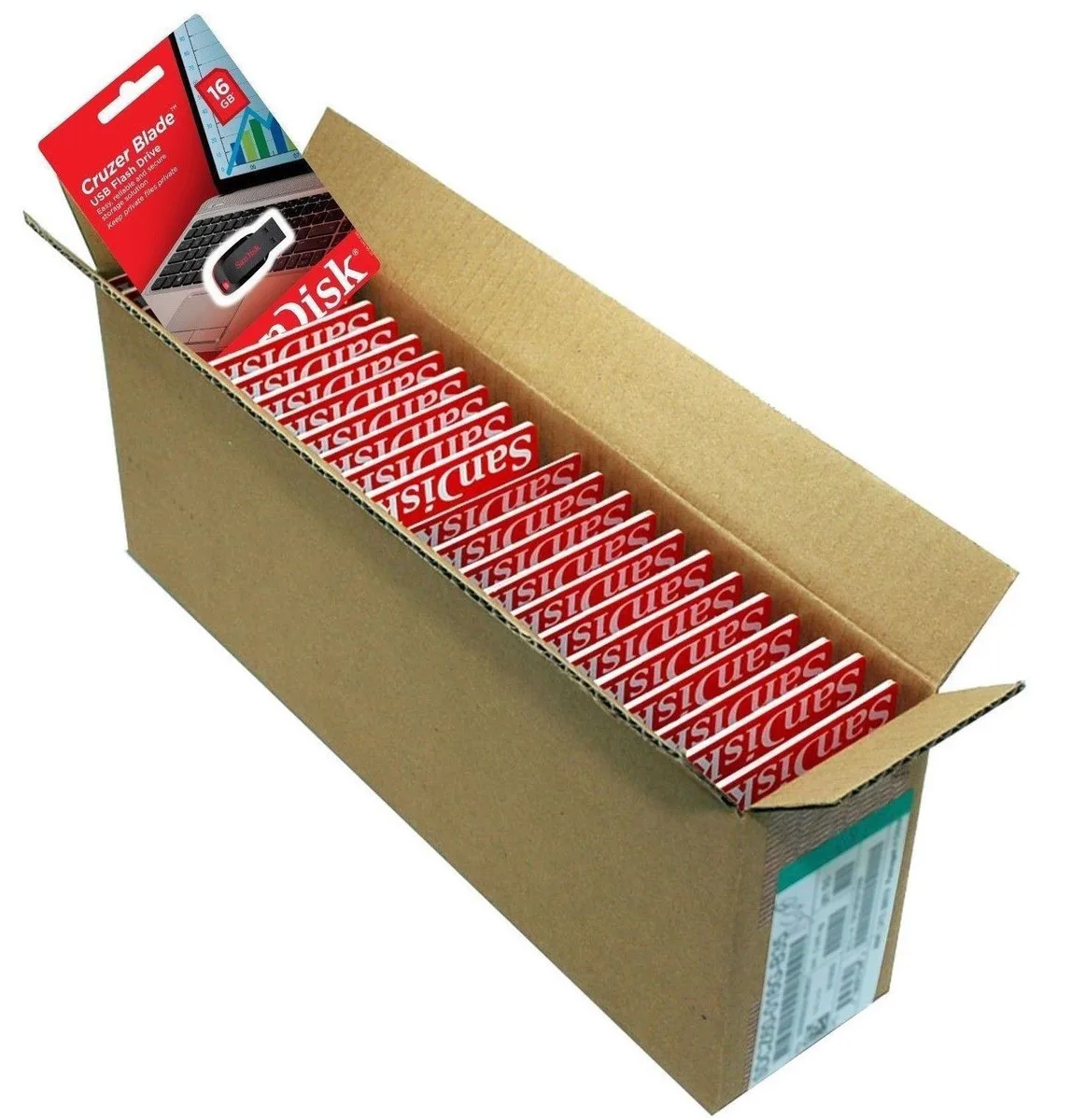
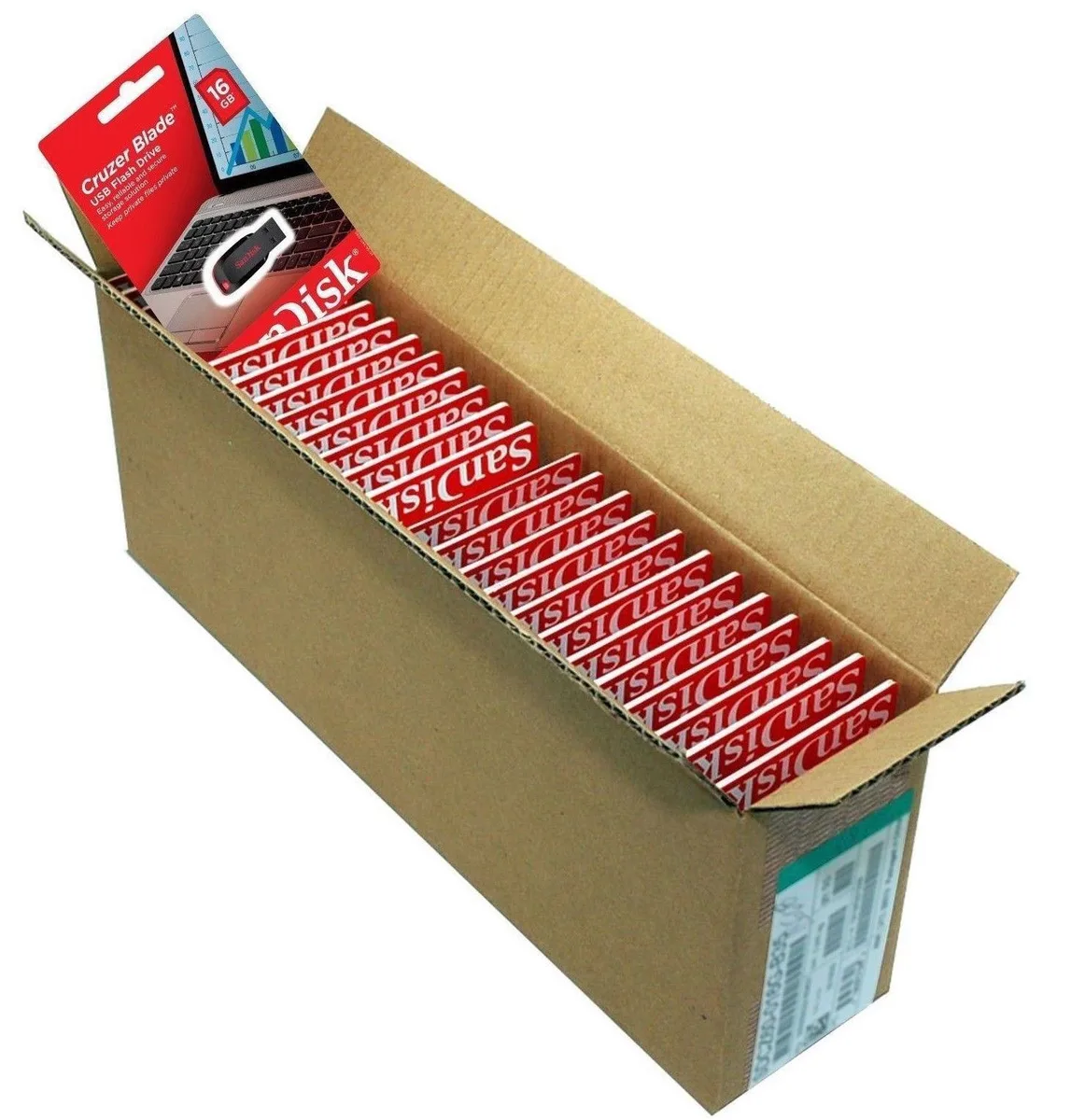
SanDisk Cruzer Blade 8 GB USB 2.0 USB flash drive Black SDCZ50-008G-B35
391,99 $
0.00498905BTC
KrājumāMēs pieņemam kriptovalūtu — lai tā, kas Jums pieder, varētu nopirkt īstu aparatūru.Maksājiet kriptovalūtā, iztērējiet to īstai aparatūrai. Bezmaksas apdrošināta piegāde visā pasaulē virs 399 $. Vienkāršas, nemarķētas kastes, sūtītas no Vācijas.Bezmaksas apdrošināta piegāde virs 399 $. Jūsu kurss tiek fiksēts uz 30 minūtēm, tiklīdz atveras kase.Kurss fiksēts uz 30 minūtēm. Katra prece ir aizzīmogota, tās sērijas numurs ir pārbaudīts, un uz to attiecas 24 mēnešu garantija.Aizzīmogots, 24 mēnešu garantija.


MCDODO
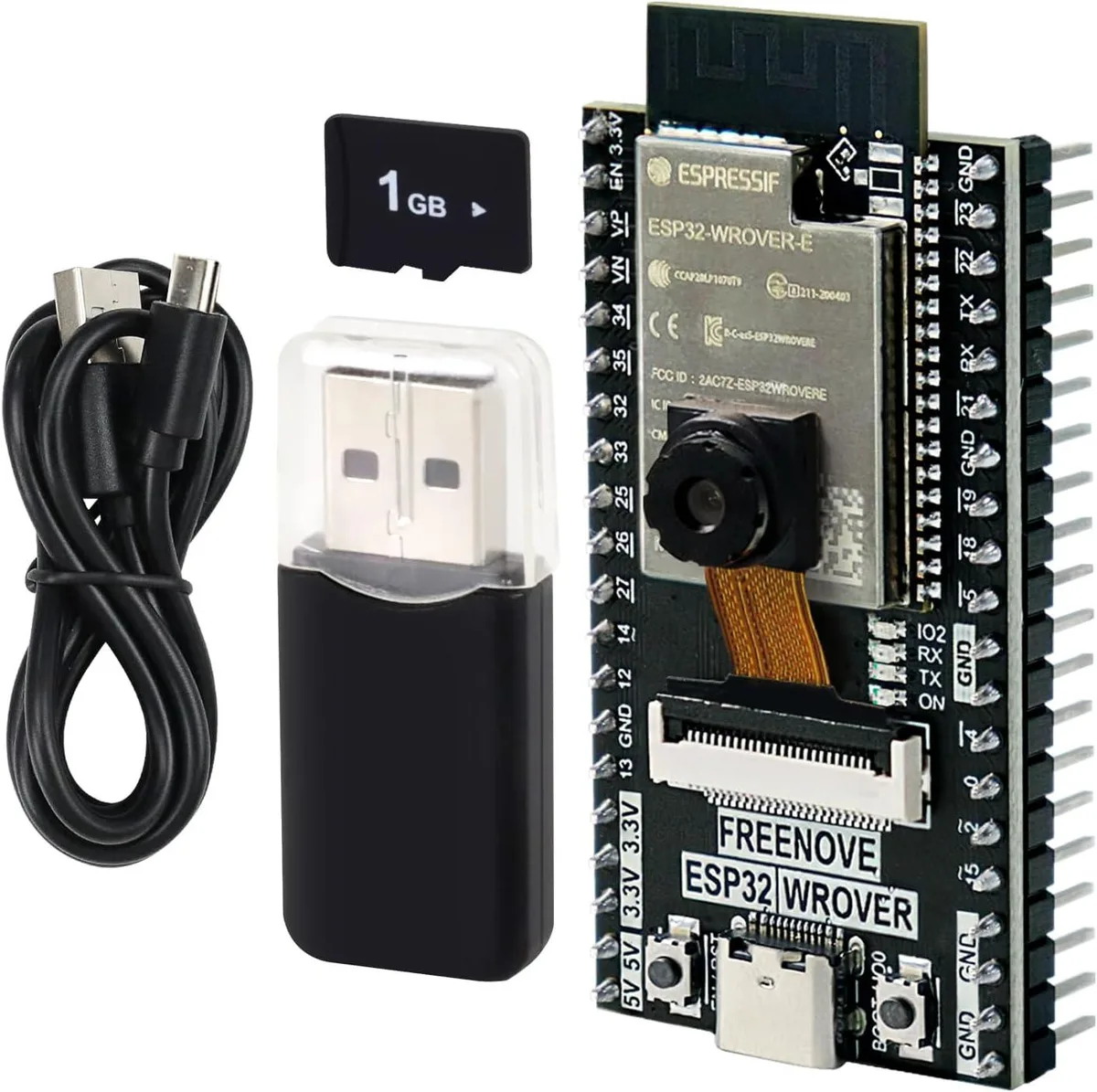
ESP32-CAM development board with dual-core 32-bit processor at 240 MHz, 2.4 GHz Wi-Fi, Bluetooth 4.2, onboard camera, and MicroPython/C tutorials
The MCDODO Freenove ESP32 CAM kit provides a dual-core 32-bit microcontroller running at 240 MHz with 4 MB flash and 8 MB PSRAM. It includes an onboard camera, 2.4 GHz Wi-Fi, and Bluetooth 4.2 for wireless IoT projects. A 1 GB memory card and card reader are supplied for local storage. Tutorials and example projects in MicroPython and C guide beginners through setup and programming.
The dual-core 32-bit processor handles continuous image capture and wireless transmission without relying on burst performance. The 8 MB PSRAM supports frame buffering during extended streaming or time-lapse sequences. Onboard Wi-Fi and Bluetooth 4.2 maintain connectivity for long-running sensor nodes or remote monitoring tasks. The board draws power directly from the USB connection during development and deployment.
The 2.4 GHz Wi-Fi band offers wide compatibility but shares spectrum with many household devices, which can affect throughput in dense environments. Bluetooth 4.2 LE is suited for low-bandwidth sensor links rather than high-speed data transfer. The single antenna serves both radios, so simultaneous heavy Wi-Fi and Bluetooth traffic may reduce reliability. Range depends on antenna orientation and surrounding obstacles.
| Type | Single Board Computers |
|---|
The board runs from a standard USB 5 V supply; typical active current is well within a laptop port or phone charger budget, and deep-sleep modes drop consumption to micro-amp levels for battery projects.
A computer with the Arduino IDE or MicroPython toolchain installed, a USB-A to Micro-USB cable, and the supplied 1 GB micro-SD card with reader for storage-heavy sketches.
Both Wi-Fi and Bluetooth share the 2.4 GHz band, but the ESP32’s coexistence mechanism time-slices the antennas so legacy keyboards, mice or sensors stay connected while the board streams camera data.
Arī šajā sadaļā
Tas pats plaukts, tā pati kase — astoņas kriptovalūtas un kursa fiksēšana uz 30 minūtēm.
Kriptovalūta, kurā maksājat, un valūta, kurā redzat cenas.
Nosūtīts no Jūsu maciņa, noformējot pasūtījumu
Tikai informatīvi — katalogā cenas norādītas ASV dolāros
Neviena valūta neatbilst.
Izvēlieties valodu, kurā vietne sarunājas ar Jums.
Neviena valoda neatbilst.
Pirmo reizi šeit?
Jau ir konts?
Automātiskas atiestatīšanas nav: šis veikals nesūta e-pastus, tāpēc nav arī vienreizējas saites, ko pieprasīt. Atstājiet adresi kontā, un tā tiks apstrādāta manuāli.
Pieprasījums saņemts
Uz Jūsu e-pastu nekas neatnāks — šis veikals vispār nesūta e-pastus. Kāds šos pieprasījumus apstrādā manuāli.
Atcerējāties?