SanDisk
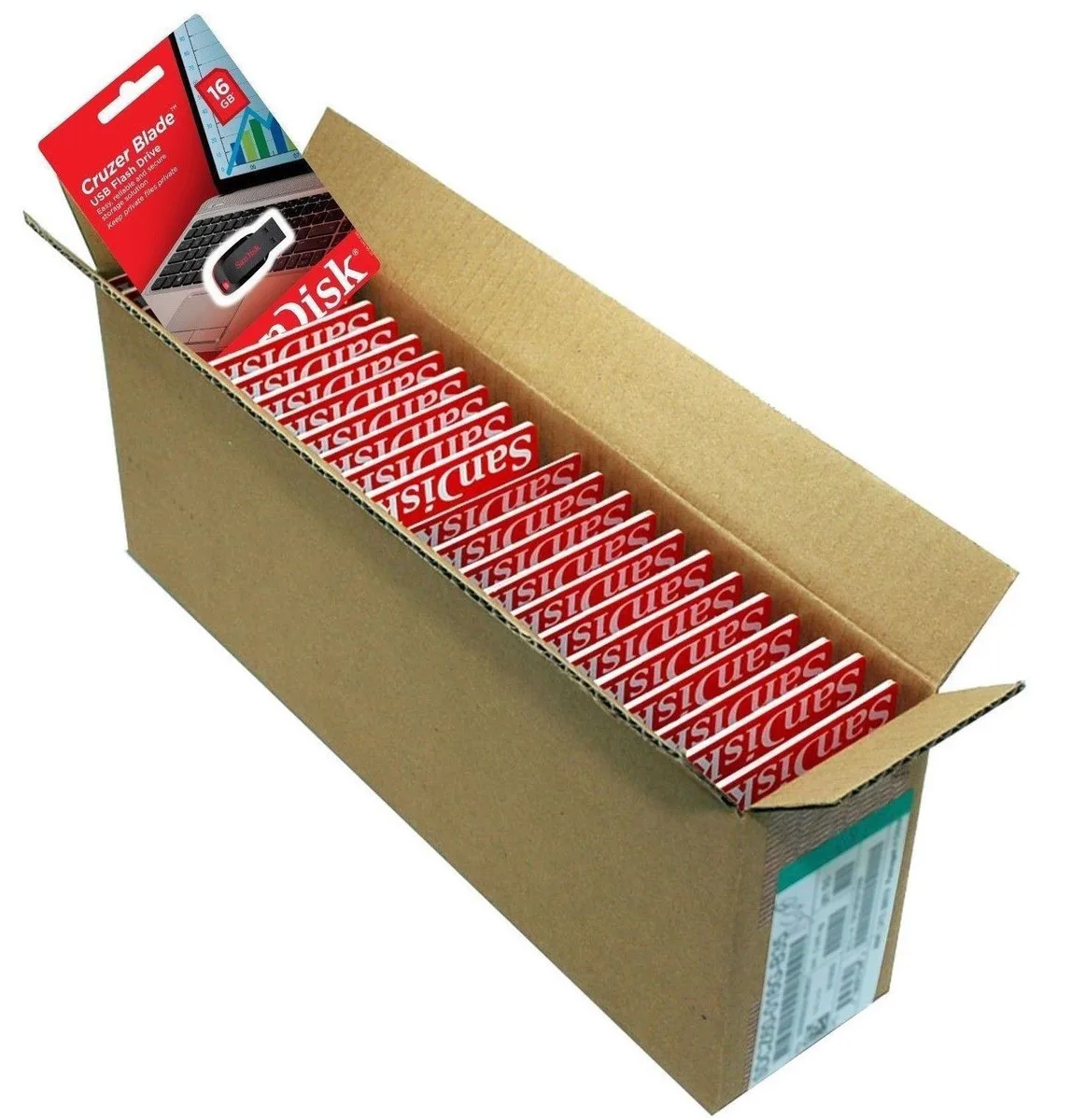
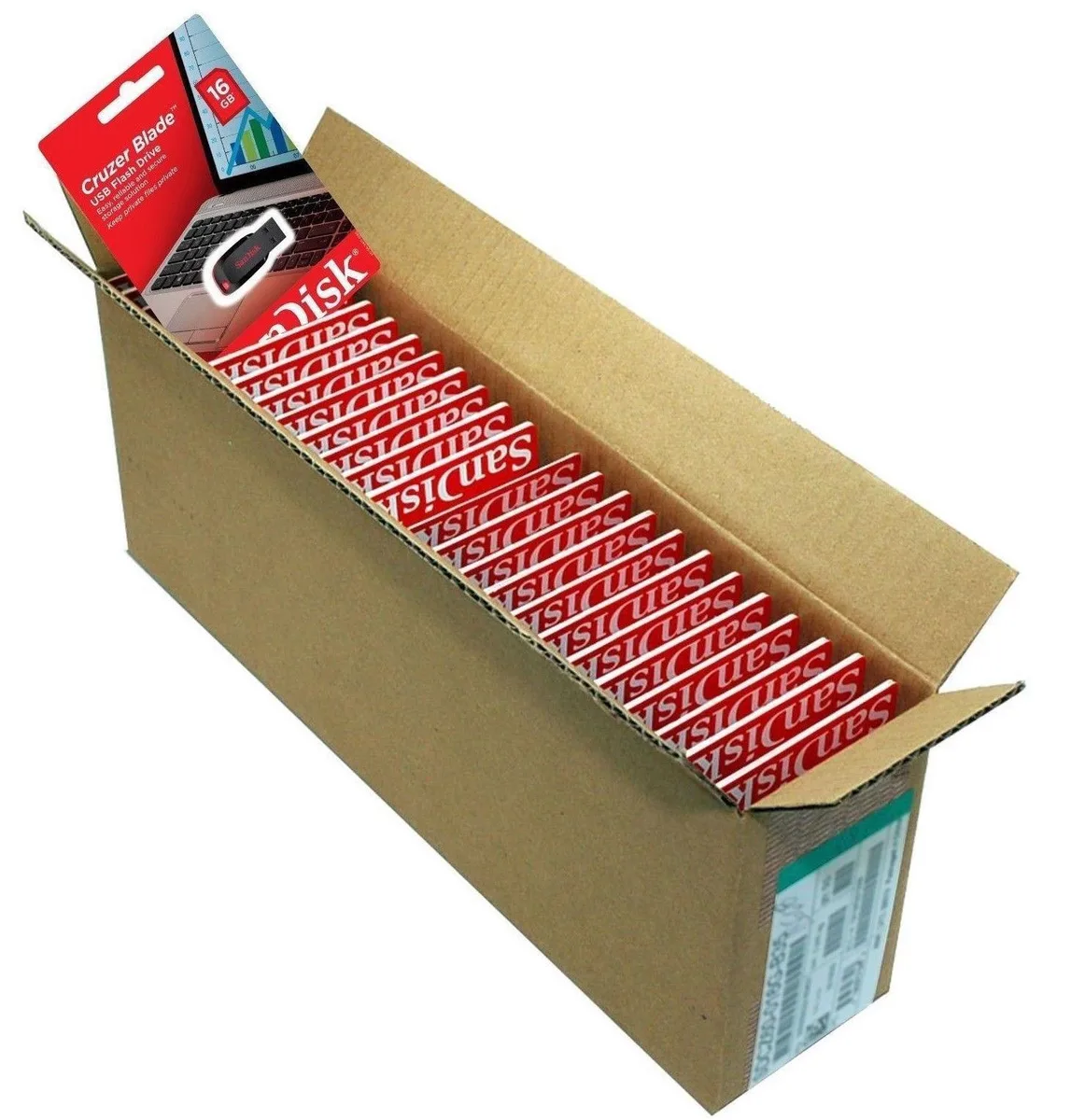
SanDisk Cruzer Blade 8 GB USB 2.0 USB flash drive Black SDCZ50-008G-B35
391,99 $
0.00501651BTC
KrājumāMēs pieņemam kriptovalūtu — lai tā, kas Jums pieder, varētu nopirkt īstu aparatūru.Maksājiet kriptovalūtā, iztērējiet to īstai aparatūrai. Bezmaksas apdrošināta piegāde visā pasaulē virs 399 $. Vienkāršas, nemarķētas kastes, sūtītas no Vācijas.Bezmaksas apdrošināta piegāde virs 399 $. Jūsu kurss tiek fiksēts uz 30 minūtēm, tiklīdz atveras kase.Kurss fiksēts uz 30 minūtēm. Katra prece ir aizzīmogota, tās sērijas numurs ir pārbaudīts, un uz to attiecas 24 mēnešu garantija.Aizzīmogots, 24 mēnešu garantija.


LORDWORLD
IoT development board with dual-core RISC-V processor, 32MB PSRAM, 32MB Flash, MIPI camera and display interfaces, USB 2.0 OTG, SD card slot, audio headers, and 27 programmable GPIOs
This development board centres on a high-performance ESP32-P4 MCU that combines RISC-V 32-bit dual-core and single-core processors. It integrates 128 KB HP ROM, 16 KB LP ROM, 768 KB HP L2MEM, 32 KB LP SRAM and 8 KB TCM. The package includes 32MB PSRAM and onboard 32MB Nor Flash. Onboard peripherals cover MIPI-CSI, MIPI-DSI, USB 2.0 OTG, SDIO 3.0 TF card slot, microphone and speaker header.
The board suits engineers who need JPEG Codec, Pixel Processing Accelerator, Image Signal Processor and H.264 encoder hardware on a compact platform. Security features include Secure Boot, Flash Encryption, cryptographic accelerators, TRNG and hardware access protection for privilege separation. Developers requiring wireless radios, additional GPIO beyond the 27 programmable pins exposed on the 2*20 headers, or a different MCU architecture should evaluate other modules.
The 27 remaining programmable GPIOs connect sensors, displays or storage directly. Onboard MIPI-CSI and MIPI-DSI simplify camera and screen integration without extra level-shifters. USB 2.0 OTG provides host or device connectivity for data or power. The TF card slot adds removable storage for logs or model weights. This layout frees PCB space by keeping PSRAM, flash and core peripherals on the module.
| Brand | LORDWORLD |
|---|
Connect a USB 2.0 OTG cable to the onboard USB 2.0 OTG port to supply power and enable flashing.
The board exposes 27 programmable GPIOs on a 2×20 header; check your HAT's pin assignments against the ESP32-P4-Pico schematic before connecting.
Capture an image via the MIPI-CSI interface and verify the board outputs a compressed JPEG or H.264 stream over USB 2.0 OTG or the SDIO 3.0 TF card slot.
Arī šajā sadaļā
Tas pats plaukts, tā pati kase — astoņas kriptovalūtas un kursa fiksēšana uz 30 minūtēm.
Kriptovalūta, kurā maksājat, un valūta, kurā redzat cenas.
Nosūtīts no Jūsu maciņa, noformējot pasūtījumu
Tikai informatīvi — katalogā cenas norādītas ASV dolāros
Neviena valūta neatbilst.
Izvēlieties valodu, kurā vietne sarunājas ar Jums.
Neviena valoda neatbilst.
Pirmo reizi šeit?
Jau ir konts?
Automātiskas atiestatīšanas nav: šis veikals nesūta e-pastus, tāpēc nav arī vienreizējas saites, ko pieprasīt. Atstājiet adresi kontā, un tā tiks apstrādāta manuāli.
Pieprasījums saņemts
Uz Jūsu e-pastu nekas neatnāks — šis veikals vispār nesūta e-pastus. Kāds šos pieprasījumus apstrādā manuāli.
Atcerējāties?