SanDisk
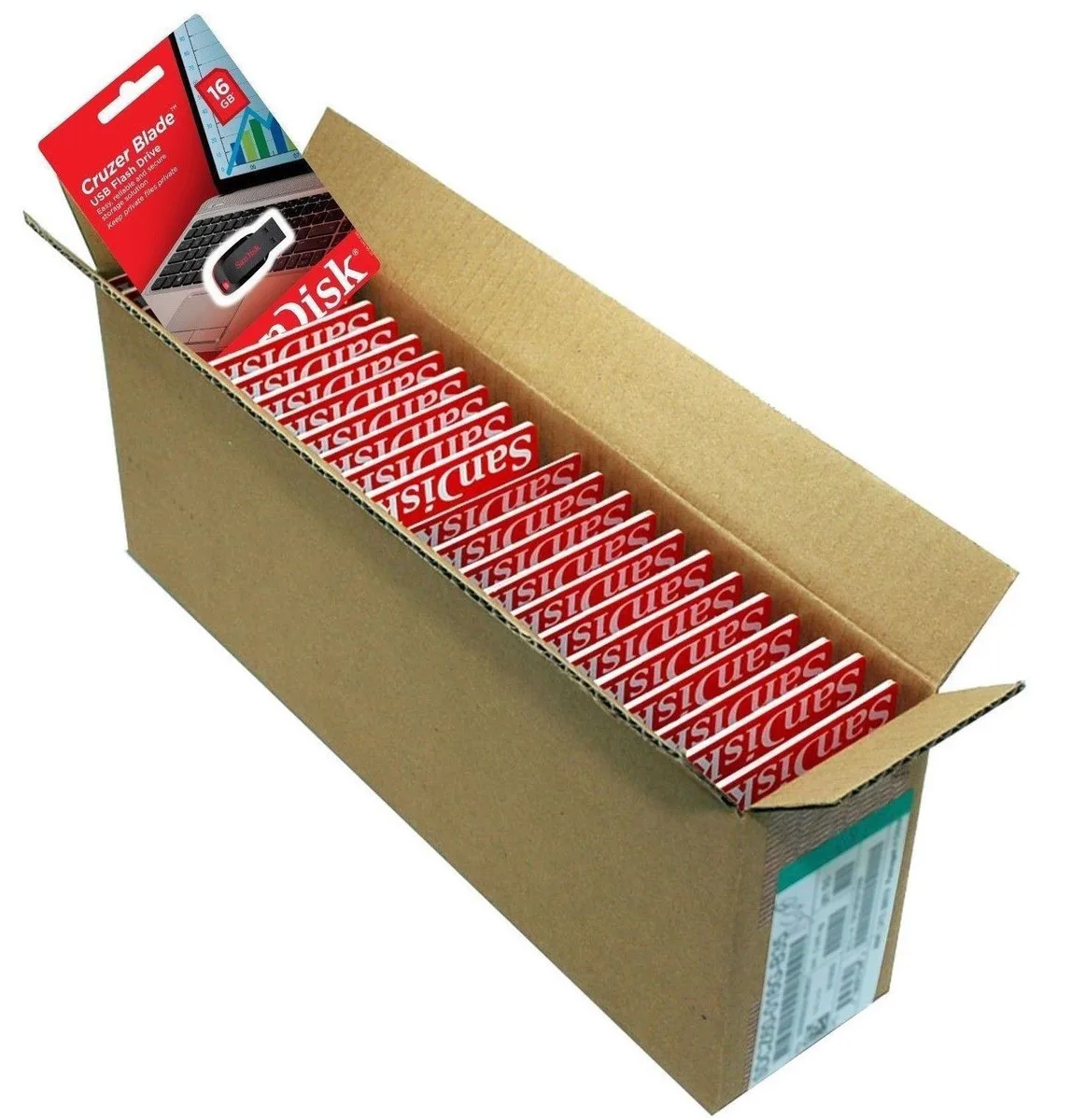
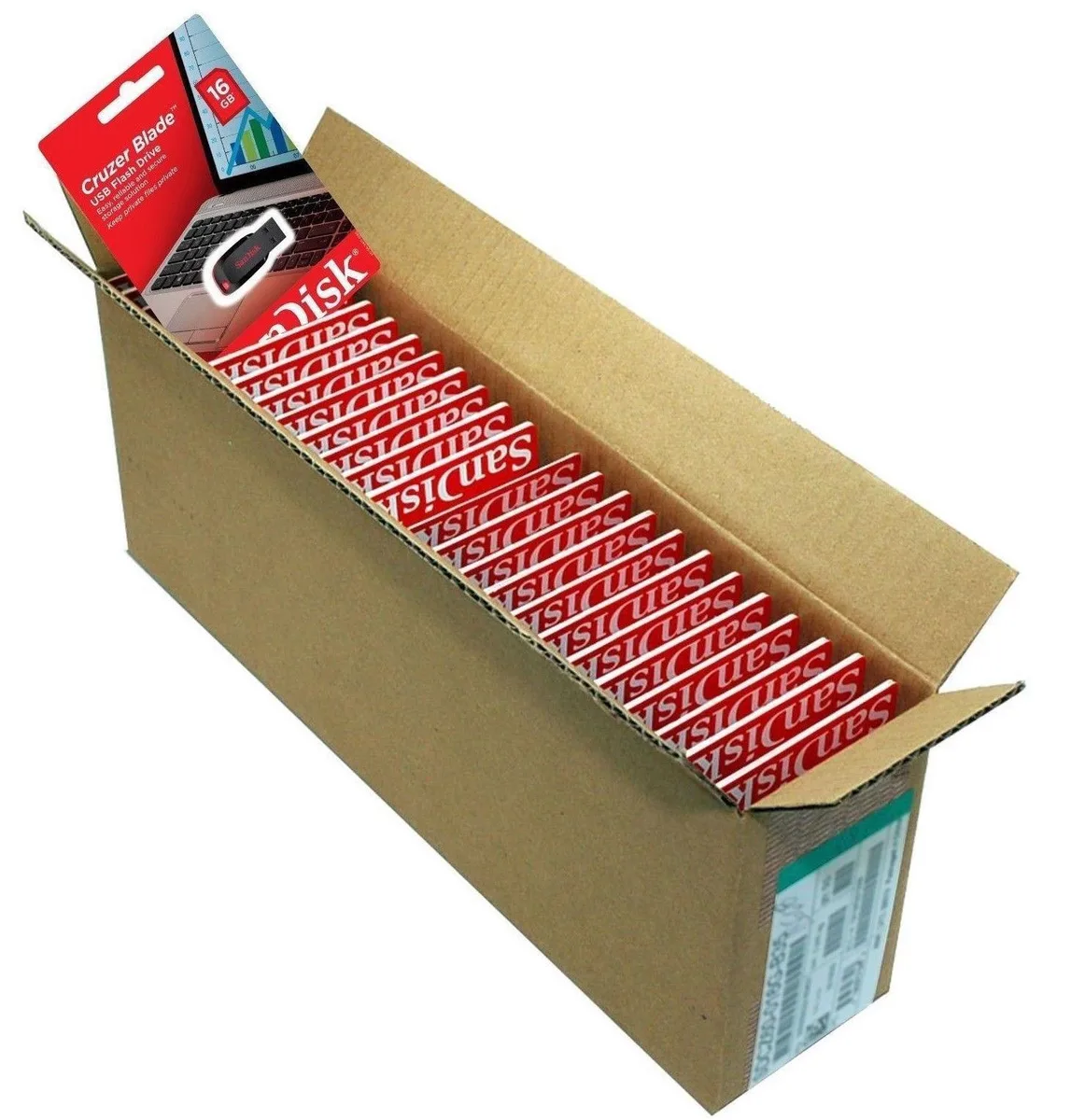
SanDisk Cruzer Blade 8 GB USB 2.0 USB flash drive Black SDCZ50-008G-B35
391,99 US$
0.00501067BTC
SklademPřijímáme kryptoměny — takže to, co držíte, můžete utratit za skutečný hardware.Plaťte kryptem, utrácejte ho za skutečný hardware. Pojištěná doprava zdarma po celém světě nad 399 $. Neutrální přepravní krabice bez loga, odesílané z Německa.Pojištěná doprava zdarma nad 399 $. Jakmile se otevře pokladna, je váš kurz zablokovaný na 30 minut.Kurz zablokovaný na 30 minut. Každý výrobek je zapečetěný, jeho sériové číslo je zkontrolované a vztahuje se na něj 24měsíční záruka.Zapečetěno, záruka 24 měsíců.


LORDWORLD
IoT development board with dual-core RISC-V processor, 32MB PSRAM, 32MB Flash, MIPI camera and display interfaces, USB 2.0 OTG, SD card slot, audio headers, and 27 programmable GPIOs
This development board centres on a high-performance ESP32-P4 MCU that combines RISC-V 32-bit dual-core and single-core processors. It integrates 128 KB HP ROM, 16 KB LP ROM, 768 KB HP L2MEM, 32 KB LP SRAM and 8 KB TCM. The package includes 32MB PSRAM and onboard 32MB Nor Flash. Onboard peripherals cover MIPI-CSI, MIPI-DSI, USB 2.0 OTG, SDIO 3.0 TF card slot, microphone and speaker header.
The board suits engineers who need JPEG Codec, Pixel Processing Accelerator, Image Signal Processor and H.264 encoder hardware on a compact platform. Security features include Secure Boot, Flash Encryption, cryptographic accelerators, TRNG and hardware access protection for privilege separation. Developers requiring wireless radios, additional GPIO beyond the 27 programmable pins exposed on the 2*20 headers, or a different MCU architecture should evaluate other modules.
The 27 remaining programmable GPIOs connect sensors, displays or storage directly. Onboard MIPI-CSI and MIPI-DSI simplify camera and screen integration without extra level-shifters. USB 2.0 OTG provides host or device connectivity for data or power. The TF card slot adds removable storage for logs or model weights. This layout frees PCB space by keeping PSRAM, flash and core peripherals on the module.
| Brand | LORDWORLD |
|---|
Connect a USB 2.0 OTG cable to the onboard USB 2.0 OTG port to supply power and enable flashing.
The board exposes 27 programmable GPIOs on a 2×20 header; check your HAT's pin assignments against the ESP32-P4-Pico schematic before connecting.
Capture an image via the MIPI-CSI interface and verify the board outputs a compressed JPEG or H.264 stream over USB 2.0 OTG or the SDIO 3.0 TF card slot.
Také v této kategorii
Stejná kategorie, stejná pokladna — osm měn a kurz zamčený na 30 minut.
Měna, ve které platíte, a měna, ve které se zobrazují ceny.
Odesláno z vaší peněženky u pokladny
Pouze pro zobrazení — katalog je veden v dolarech
Žádná měna neodpovídá.
Vyberte jazyk, ve kterém s vámi bude web komunikovat.
Žádný jazyk neodpovídá.
Poprvé tady?
Už účet máte?
Neexistuje žádná automatická obnova hesla: tento obchod neposílá žádné e-maily, takže neexistuje jednorázový odkaz, o který by bylo možné požádat. Nechte adresu uvedenou u účtu, vyřídíme ji ručně.
Žádost zaznamenána
Do vaší schránky nic nedorazí — tento obchod neposílá žádné e-maily. Někdo se o to postará ručně.
Vzpomněli jste si?