SanDisk
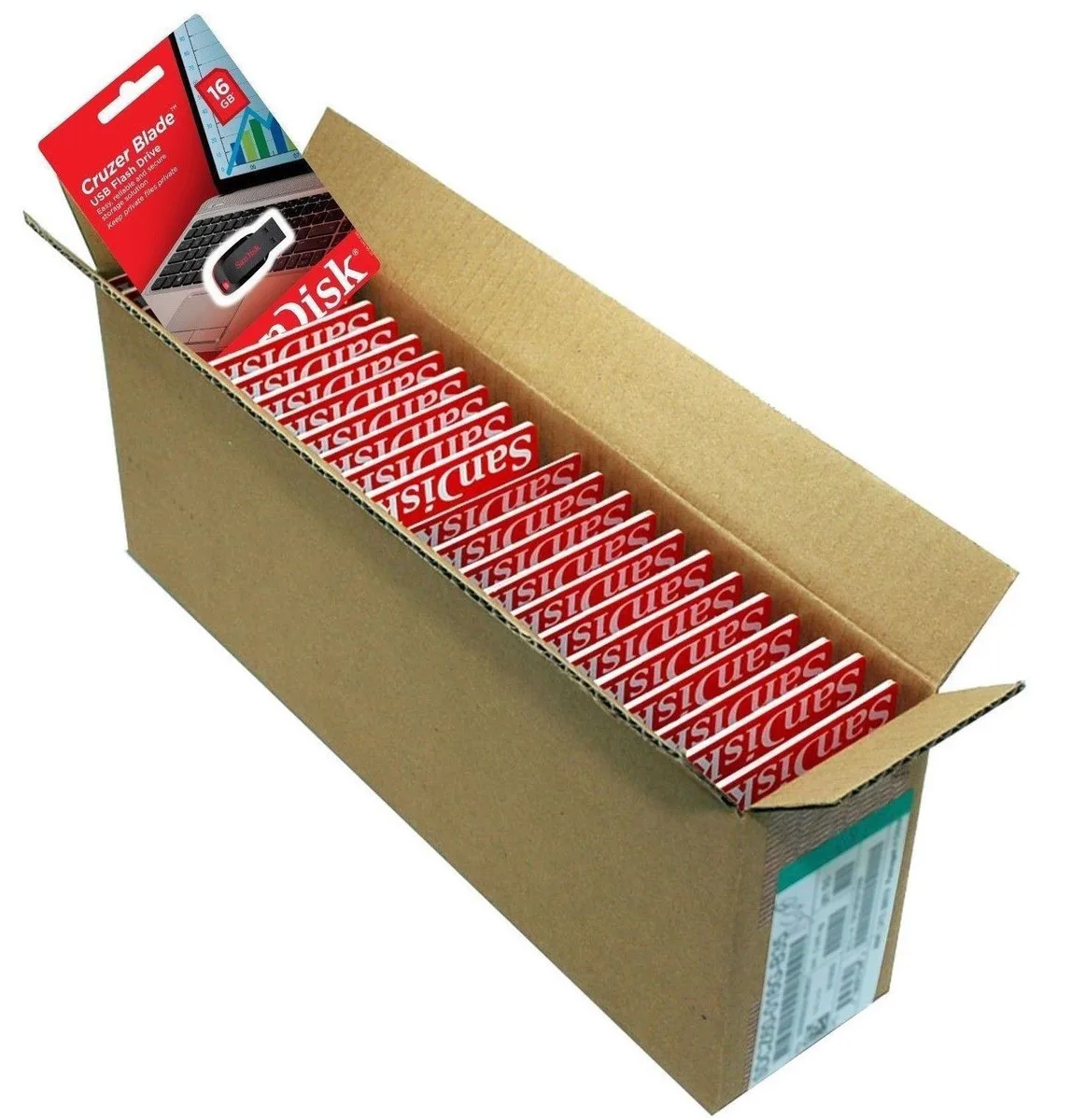
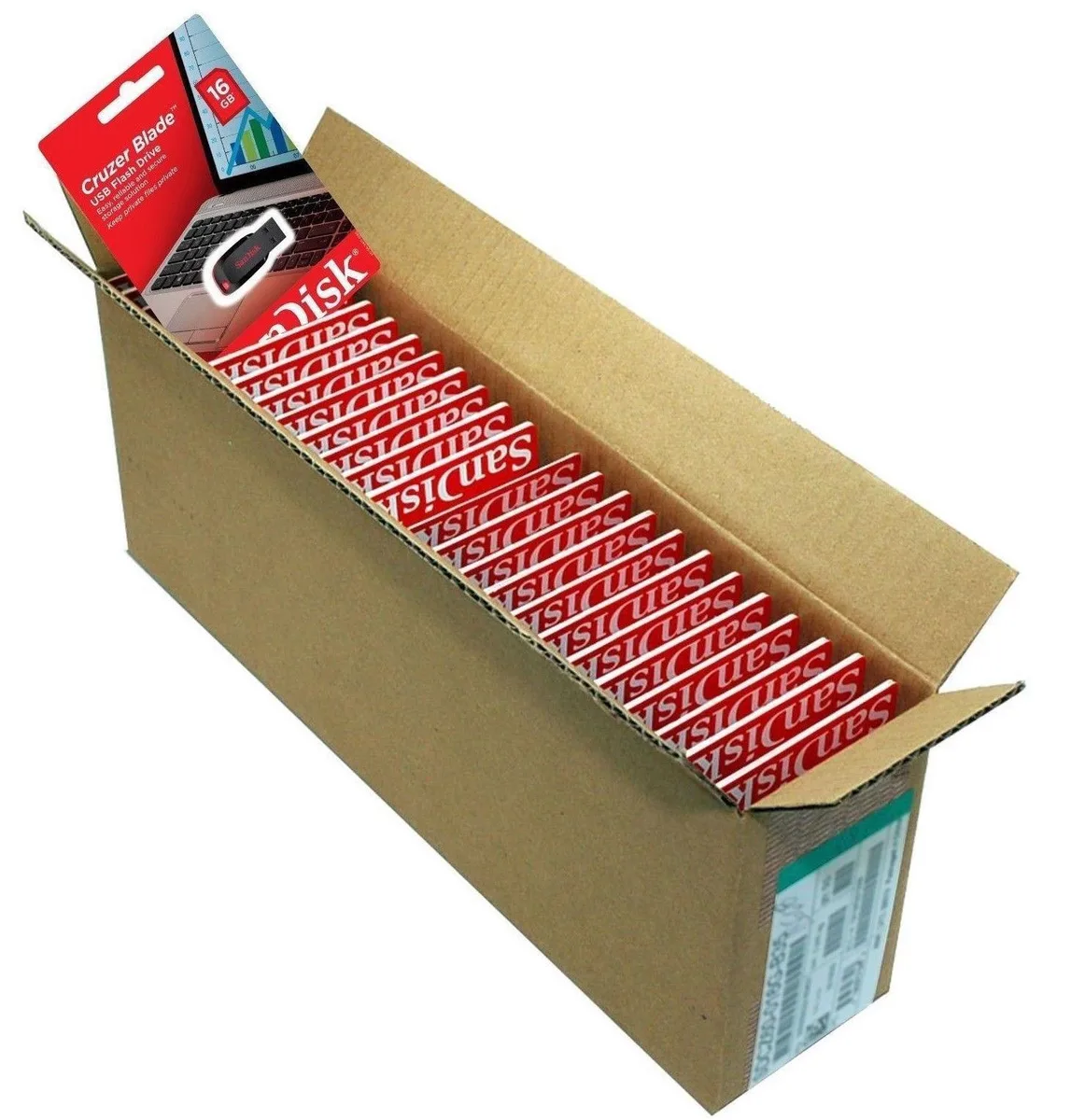
SanDisk Cruzer Blade 8 GB USB 2.0 USB flash drive Black SDCZ50-008G-B35
391,99 USD
0.00501651BTC
Til á lagerVið tökum við rafmynt — svo myntirnar sem þú átt geta keypt alvöru vélbúnað.Greiddu í rafmynt, eyddu henni í alvöru vélbúnað. Frí, tryggð sending um allan heim fyrir pantanir yfir 399 $. Hlutlausir pappakassar án merkinga, sendir frá Þýskalandi.Frí, tryggð sending yfir 399 $. Gengið þitt er læst í 30 mínútur um leið og greiðsluferlið hefst.Gengið læst í 30 mínútur. Hver vara er innsigluð, raðnúmer hennar yfirfarið, og hún nýtur 24 mánaða ábyrgðar.Innsiglað, með 24 mánaða ábyrgð.


LORDWORLD
IoT development board with dual-core RISC-V processor, 32MB PSRAM, 32MB Flash, MIPI camera and display interfaces, USB 2.0 OTG, SD card slot, audio headers, and 27 programmable GPIOs
This development board centres on a high-performance ESP32-P4 MCU that combines RISC-V 32-bit dual-core and single-core processors. It integrates 128 KB HP ROM, 16 KB LP ROM, 768 KB HP L2MEM, 32 KB LP SRAM and 8 KB TCM. The package includes 32MB PSRAM and onboard 32MB Nor Flash. Onboard peripherals cover MIPI-CSI, MIPI-DSI, USB 2.0 OTG, SDIO 3.0 TF card slot, microphone and speaker header.
The board suits engineers who need JPEG Codec, Pixel Processing Accelerator, Image Signal Processor and H.264 encoder hardware on a compact platform. Security features include Secure Boot, Flash Encryption, cryptographic accelerators, TRNG and hardware access protection for privilege separation. Developers requiring wireless radios, additional GPIO beyond the 27 programmable pins exposed on the 2*20 headers, or a different MCU architecture should evaluate other modules.
The 27 remaining programmable GPIOs connect sensors, displays or storage directly. Onboard MIPI-CSI and MIPI-DSI simplify camera and screen integration without extra level-shifters. USB 2.0 OTG provides host or device connectivity for data or power. The TF card slot adds removable storage for logs or model weights. This layout frees PCB space by keeping PSRAM, flash and core peripherals on the module.
| Brand | LORDWORLD |
|---|
Connect a USB 2.0 OTG cable to the onboard USB 2.0 OTG port to supply power and enable flashing.
The board exposes 27 programmable GPIOs on a 2×20 header; check your HAT's pin assignments against the ESP32-P4-Pico schematic before connecting.
Capture an image via the MIPI-CSI interface and verify the board outputs a compressed JPEG or H.264 stream over USB 2.0 OTG or the SDIO 3.0 TF card slot.
Einnig í þessum vöruflokki
Sama hilla, sama greiðsluferli — átta myntir og 30 mínútna gengislæsing.
Það sem þú greiðir í, og það sem þú sérð verð í.
Sent úr veskinu þínu í greiðsluferlinu
Aðeins til skýringar — verð í vörulistanum eru í Bandaríkjadölum
Enginn gjaldmiðill passar við það.
Veldu tungumálið sem síðan talar við þig á.
Ekkert tungumál fannst.
Fyrsta heimsókn?
Áttu þegar aðgang?
Það er engin sjálfvirk endurstilling: þessi verslun sendir engan tölvupóst, svo það er enginn einnota tengill til að biðja um. Skildu netfangið eftir á aðganginum og einhver sinnir því handvirkt.
Beiðni skráð
Ekkert er á leiðinni í pósthólfið þitt — þessi verslun sendir engan tölvupóst. Einhver sinnir þessu handvirkt.
Mundir þú það?