SanDisk
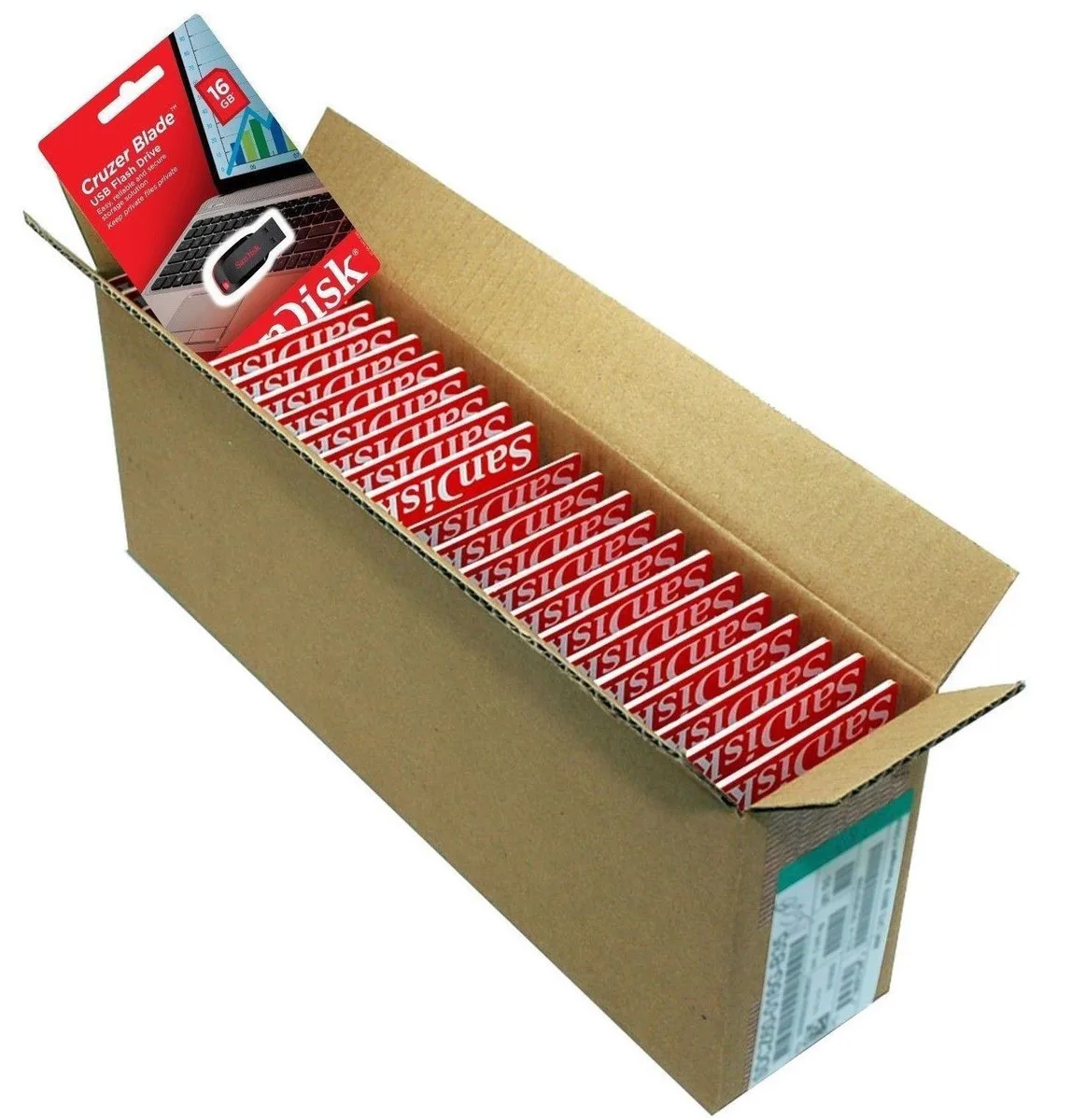
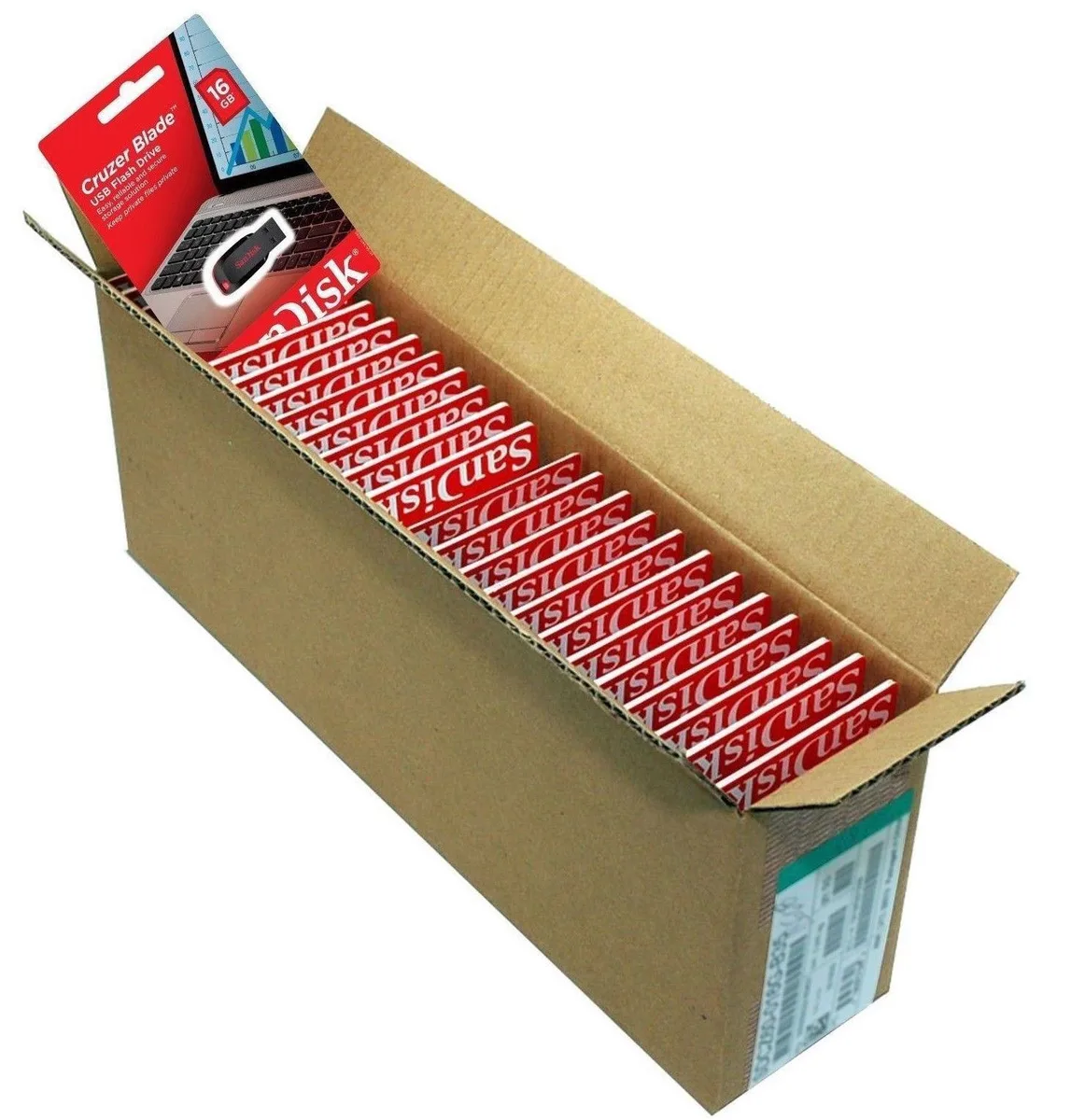
SanDisk Cruzer Blade 8 GB USB 2.0 USB flash drive Black SDCZ50-008G-B35
USD 391.99
0.00501972BTC
Ada stokKami menerima kripto — jadi koin yang anda simpan boleh membeli perkakasan sebenar.Bayar dengan kripto, belanjakannya untuk perkakasan sebenar. Penghantaran berinsurans percuma ke seluruh dunia untuk belian melebihi USD 399. Kotak biasa tanpa jenama, dihantar dari Jerman.Penghantaran berinsurans percuma untuk belian melebihi USD 399. Kadar anda dikunci selama 30 minit sebaik sahaja proses pesanan bermula.Kadar dikunci selama 30 minit. Setiap item disegel, nombor sirinya disemak, dan dilindungi waranti 24 bulan.Disegel, waranti 24 bulan.


LORDWORLD
Measures temperature, humidity, barometric pressure and gas via an onboard BME680 sensor with configurable I2C address, SPI support and 3.3 V/5 V logic compatibility
The LORDWORLD BME680 board integrates temperature, humidity, barometric pressure and gas detection into a single module. It communicates over I2C with a configurable address and supports bus cascading for multi-sensor setups. SPI mode is available via the chip-select pin. An onboard voltage translator allows direct connection to 3.3 V or 5 V logic.
This board suits developers building weather stations, indoor-air monitors or IoT nodes that need four environmental parameters from one footprint. Example code is provided for Raspberry Pi, Pico, Arduino and ESP32 platforms. Projects requiring particulate-matter counting, CO₂-specific sensing or radar-based presence detection will need different sensors.
The decisive feature is the combined I2C and SPI interface paired with a 3.3 V regulator and logic-level translator. It lets the same module work on 3.3 V and 5 V hosts without external shifting circuitry, and the configurable I2C address prevents bus conflicts when stacking multiple units.
| Brand | LORDWORLD |
|---|
The board uses I2C by default with a configurable address and supports cascading on the same bus; SPI is available when the CS pin is asserted.
It plugs into the standard 40-pin GPIO header; the onboard voltage translator lets it work with 3.3 V or 5 V logic without extra level-shifting.
Drive the CS pin low to enable SPI; the common mistake is leaving CS floating while expecting SPI traffic, which keeps the device in I2C mode.
Juga di rak ini
Rak yang sama, checkout yang sama — lapan koin kripto dan kunci kadar 30 minit.
Apa yang anda hantar untuk membayar, dan mata wang yang anda guna untuk membaca harga.
Dihantar daripada dompet anda semasa semak keluar
Untuk paparan sahaja — katalog diberi harga dalam USD
Tiada mata wang yang sepadan.
Pilih bahasa yang digunakan oleh laman web ini.
Tiada bahasa yang sepadan.
Pengguna baharu?
Sudah mempunyai akaun?
Tiada set semula automatik: kedai ini tidak menghantar sebarang e-mel, jadi tiada pautan sekali guna untuk diminta. Biarkan alamat pada akaun tersebut, ia akan diuruskan secara manual.
Permintaan direkodkan
Tiada apa-apa akan sampai ke peti masuk anda — kedai ini tidak menghantar sebarang e-mel. Seseorang akan menguruskannya secara manual.
Sudah teringat?