SanDisk
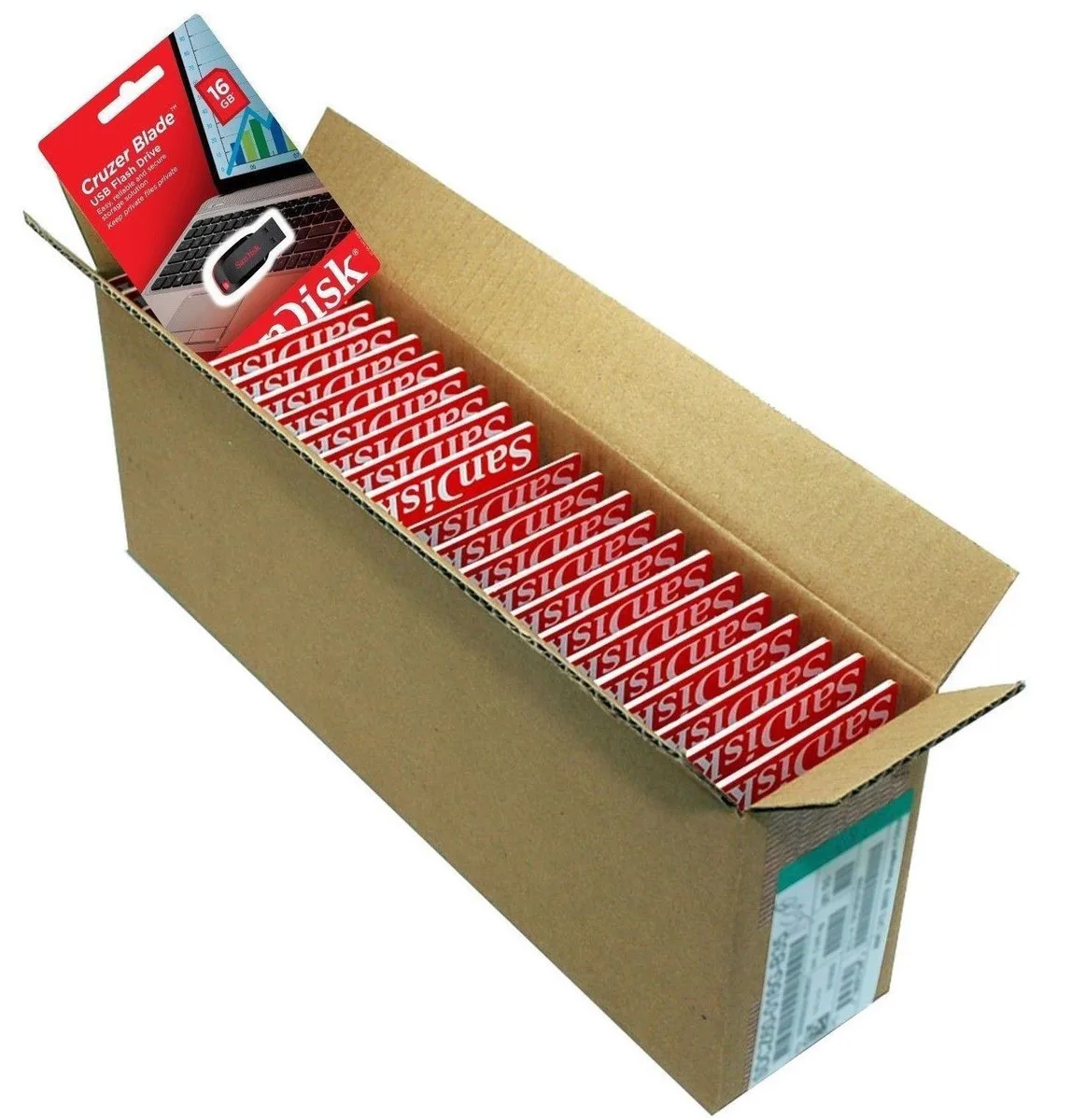
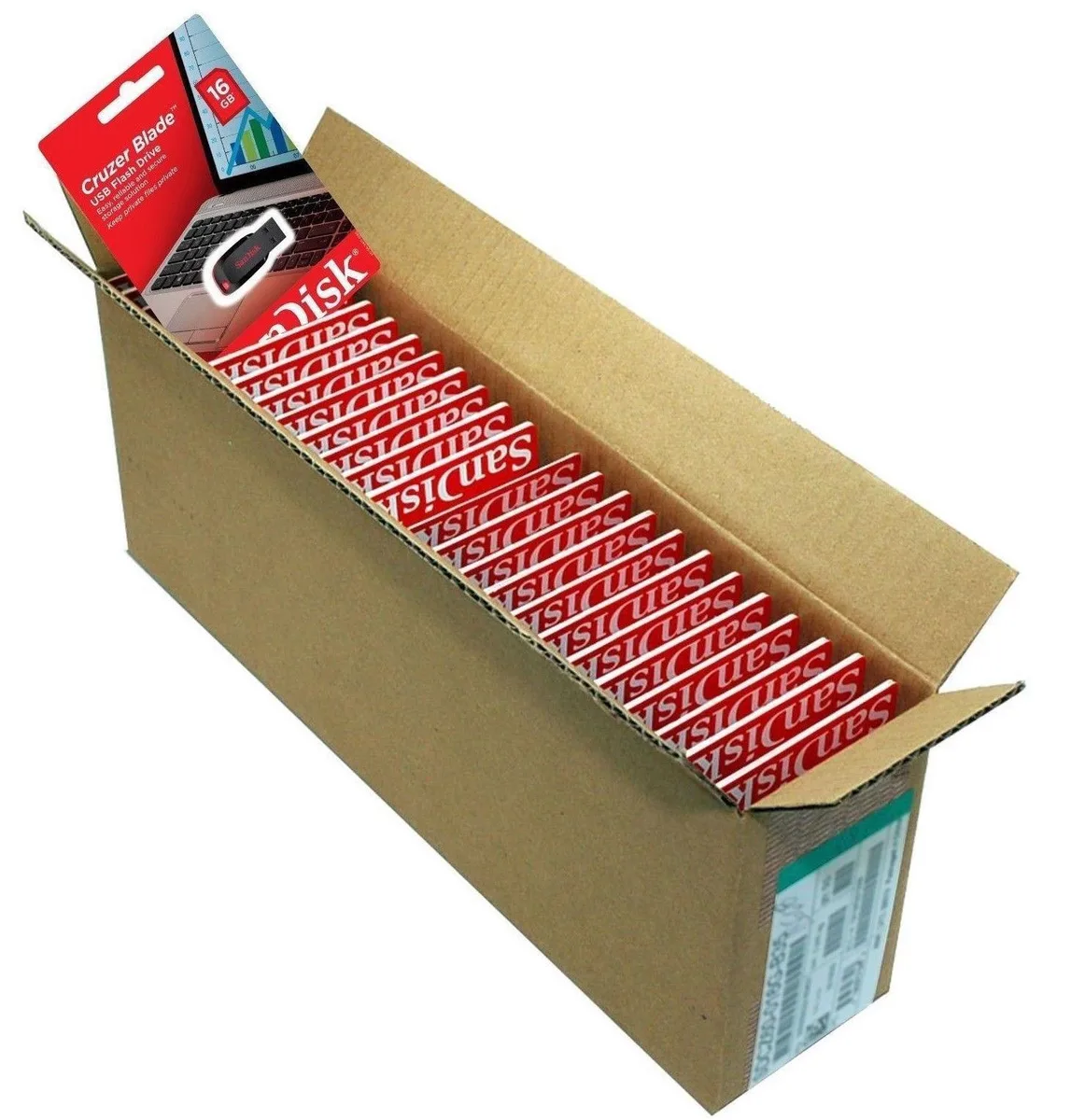
SanDisk Cruzer Blade 8 GB USB 2.0 USB flash drive Black SDCZ50-008G-B35
391.99 $
0.00501805BTC
במלאיאנחנו מקבלים תשלום בקריפטו — כך שמטבעות הקריפטו שברשותך יכולים לקנות ציוד אמיתי.שלם בקריפטו, קנה איתו ציוד אמיתי. משלוח חינם ומבוטח לכל העולם מעל 399 $. קרטונים ניטרליים וללא מיתוג, נשלחים מגרמניה.משלוח חינם ומבוטח מעל 399 $. השער שלך ננעל ל-30 דקות מרגע פתיחת הקופה.שער נעול ל-30 דקות. כל פריט אטום, המספר הסידורי שלו נבדק, והוא מכוסה באחריות ל-24 חודשים.אטום, באחריות ל-24 חודשים.


LORDWORLD
Measures temperature, humidity, barometric pressure and gas via an onboard BME680 sensor with configurable I2C address, SPI support and 3.3 V/5 V logic compatibility
The LORDWORLD BME680 board integrates temperature, humidity, barometric pressure and gas detection into a single module. It communicates over I2C with a configurable address and supports bus cascading for multi-sensor setups. SPI mode is available via the chip-select pin. An onboard voltage translator allows direct connection to 3.3 V or 5 V logic.
This board suits developers building weather stations, indoor-air monitors or IoT nodes that need four environmental parameters from one footprint. Example code is provided for Raspberry Pi, Pico, Arduino and ESP32 platforms. Projects requiring particulate-matter counting, CO₂-specific sensing or radar-based presence detection will need different sensors.
The decisive feature is the combined I2C and SPI interface paired with a 3.3 V regulator and logic-level translator. It lets the same module work on 3.3 V and 5 V hosts without external shifting circuitry, and the configurable I2C address prevents bus conflicts when stacking multiple units.
| Brand | LORDWORLD |
|---|
The board uses I2C by default with a configurable address and supports cascading on the same bus; SPI is available when the CS pin is asserted.
It plugs into the standard 40-pin GPIO header; the onboard voltage translator lets it work with 3.3 V or 5 V logic without extra level-shifting.
Drive the CS pin low to enable SPI; the common mistake is leaving CS floating while expecting SPI traffic, which keeps the device in I2C mode.
גם במדף הזה
אותו מדף, אותה קופה — שמונה מטבעות קריפטו ונעילת שער ל-30 דקות.
באיזה מטבע משלמים, ובאיזה מטבע מוצגים המחירים.
נשלח מהארנק שלך בקופה
לתצוגה בלבד — הקטלוג מתומחר בדולר ארה״ב
לא נמצא מטבע מתאים.
בחר את השפה שבה האתר פונה אליך.
אף שפה לא תואמת.
חדש כאן?
כבר יש לך חשבון?
אין כאן איפוס אוטומטי: החנות הזו לא שולחת אימייל, ולכן אין קישור חד-פעמי לבקש. השאר את הכתובת בחשבון, והיא תטופל ידנית.
הבקשה נקלטה
שום דבר לא בדרך לתיבת האימייל שלך — החנות הזו לא שולחת אימייל בכלל. מישהו אוסף את הבקשות האלה ידנית.
נזכרת בה?