EN-Labs
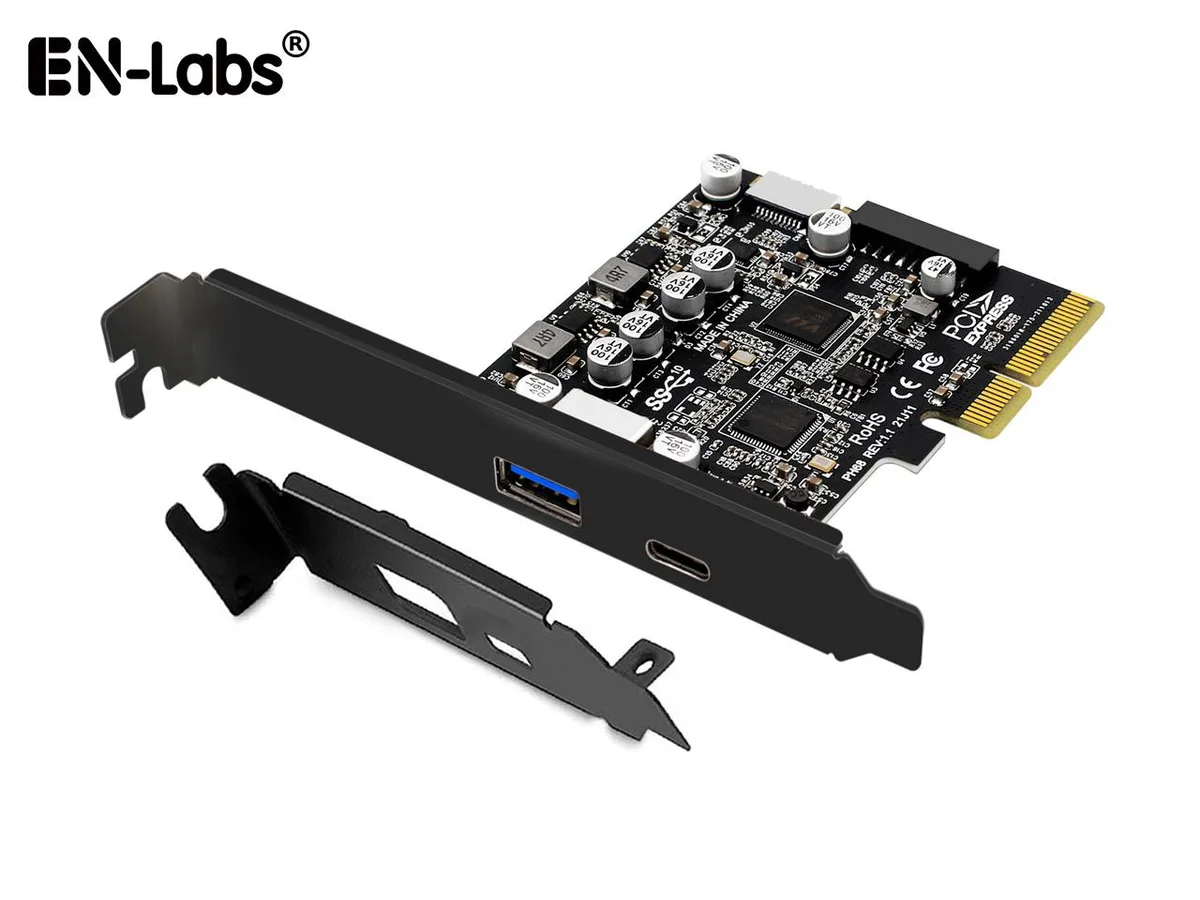
EN-Labs 11-001-366 PCIe x4 USB 3.2 10Gbps 5-port card
- no
- 12CM Case fan,screw…
$31.99
0.00041077BTC
在庫あり


LORDWORLD
Measures temperature, humidity, barometric pressure and gas via an onboard BME680 sensor with configurable I2C address, SPI support and 3.3 V/5 V logic compatibility
The LORDWORLD BME680 board integrates temperature, humidity, barometric pressure and gas detection into a single module. It communicates over I2C with a configurable address and supports bus cascading for multi-sensor setups. SPI mode is available via the chip-select pin. An onboard voltage translator allows direct connection to 3.3 V or 5 V logic.
This board suits developers building weather stations, indoor-air monitors or IoT nodes that need four environmental parameters from one footprint. Example code is provided for Raspberry Pi, Pico, Arduino and ESP32 platforms. Projects requiring particulate-matter counting, CO₂-specific sensing or radar-based presence detection will need different sensors.
The decisive feature is the combined I2C and SPI interface paired with a 3.3 V regulator and logic-level translator. It lets the same module work on 3.3 V and 5 V hosts without external shifting circuitry, and the configurable I2C address prevents bus conflicts when stacking multiple units.
| Brand | LORDWORLD |
|---|
The board uses I2C by default with a configurable address and supports cascading on the same bus; SPI is available when the CS pin is asserted.
It plugs into the standard 40-pin GPIO header; the onboard voltage translator lets it work with 3.3 V or 5 V logic without extra level-shifting.
Drive the CS pin low to enable SPI; the common mistake is leaving CS floating while expecting SPI traffic, which keeps the device in I2C mode.
同じ売り場の商品
同じ売り場、同じレジ — 8種類のコインと30分間のレートロック。
お支払いに使うコインと、価格表示に使う通貨です。
チェックアウト時にウォレットから送信されます。
表示のみ—カタログの価格は米ドル建てです。
該当する通貨がありません。
サイトの表示言語を選択してください。
一致する言語がありません。
初めてのご利用ですか?
すでにお持ちですか?
自動的な再設定はありません。当店はメールを送信しないため、ワンタイムリンクをお送りすることもできません。アカウントにメールアドレスを残しておいていただければ、担当者が手作業で確認いたします。
リクエストを受け付けました
受信箱に何かが届くことはありません — 当店はメールを一切送信していません。担当者が手作業で確認いたします。
思い出しましたか?