SanDisk
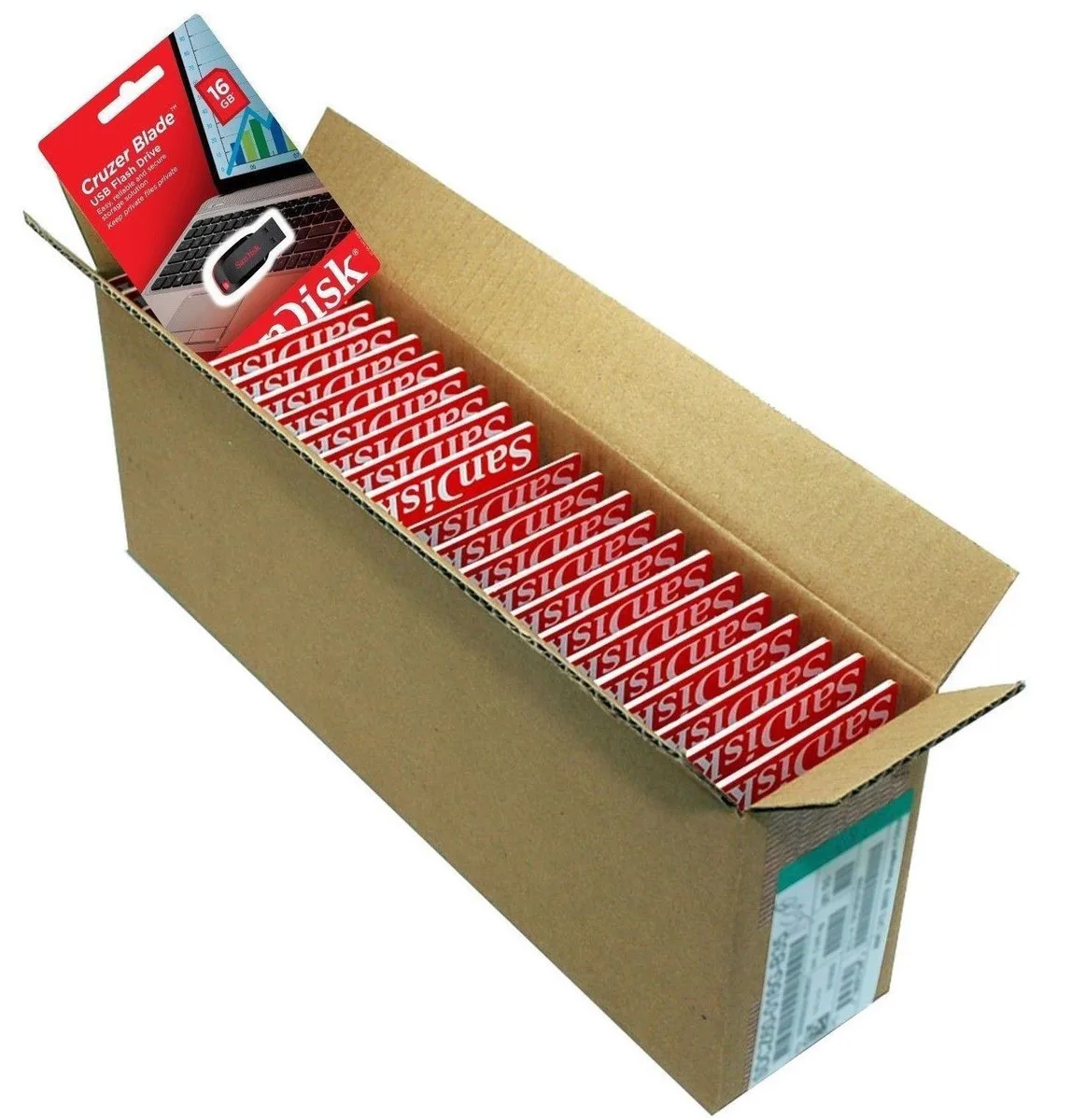
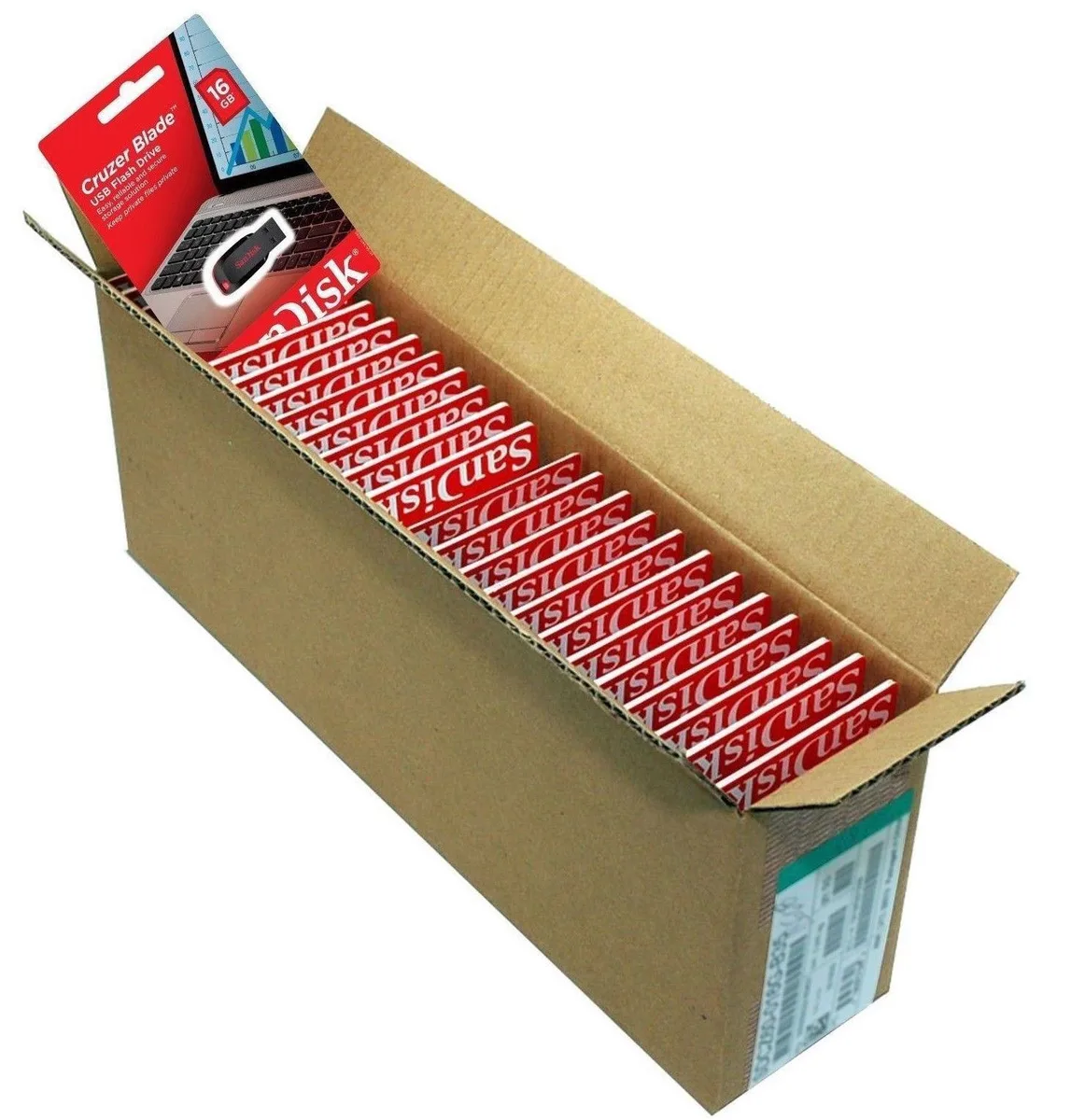
SanDisk Cruzer Blade 8 GB USB 2.0 USB flash drive Black SDCZ50-008G-B35
US$391.99
0.00501067BTC
現貨


LORDWORLD
Measures temperature, humidity, barometric pressure and gas via an onboard BME680 sensor with configurable I2C address, SPI support and 3.3 V/5 V logic compatibility
The LORDWORLD BME680 board integrates temperature, humidity, barometric pressure and gas detection into a single module. It communicates over I2C with a configurable address and supports bus cascading for multi-sensor setups. SPI mode is available via the chip-select pin. An onboard voltage translator allows direct connection to 3.3 V or 5 V logic.
This board suits developers building weather stations, indoor-air monitors or IoT nodes that need four environmental parameters from one footprint. Example code is provided for Raspberry Pi, Pico, Arduino and ESP32 platforms. Projects requiring particulate-matter counting, CO₂-specific sensing or radar-based presence detection will need different sensors.
The decisive feature is the combined I2C and SPI interface paired with a 3.3 V regulator and logic-level translator. It lets the same module work on 3.3 V and 5 V hosts without external shifting circuitry, and the configurable I2C address prevents bus conflicts when stacking multiple units.
| Brand | LORDWORLD |
|---|
The board uses I2C by default with a configurable address and supports cascading on the same bus; SPI is available when the CS pin is asserted.
It plugs into the standard 40-pin GPIO header; the onboard voltage translator lets it work with 3.3 V or 5 V logic without extra level-shifting.
Drive the CS pin low to enable SPI; the common mistake is leaving CS floating while expecting SPI traffic, which keeps the device in I2C mode.
同類商品
同一分類,同一套結帳流程 — 支援八種加密貨幣,匯率鎖定 30 分鐘。
您支付所用的幣種,以及查看價格所用的貨幣。
結帳時由您的錢包發送
僅供顯示 — 商品目錄以美元計價
查無符合的貨幣。
請選擇網站使用的語言。
查無符合的語言。
初次造訪?
已經有帳戶了嗎?
本店沒有自動重設密碼的機制:由於不寄送電子郵件,也就沒有一次性連結可供申請。只要將地址留在帳戶中,之後將由專人處理。
請求已收到
不會有任何郵件寄到您的信箱 — 本商店完全不寄送電子郵件。會有人親自處理這些申請。
想起來了嗎?