SanDisk
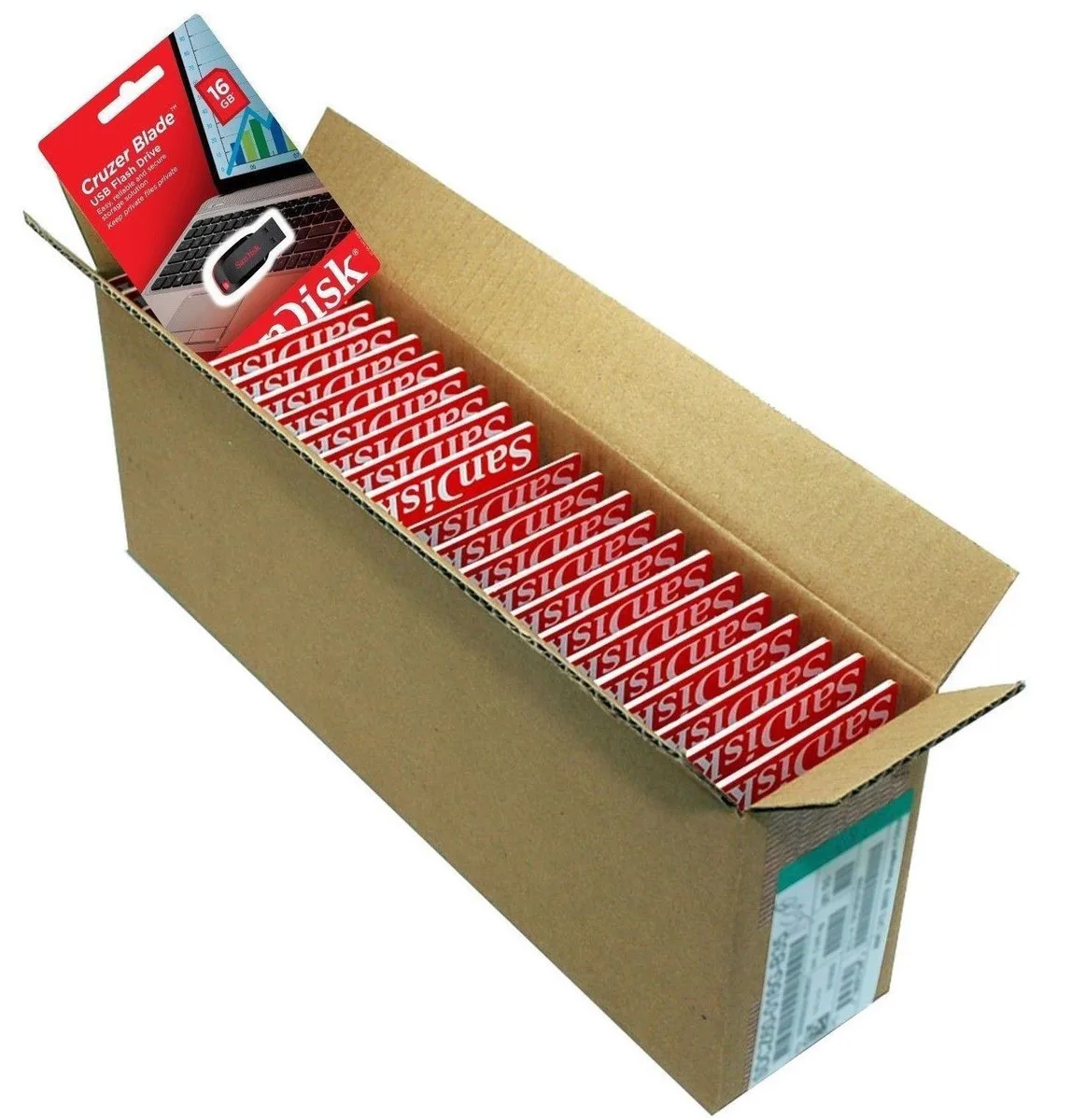
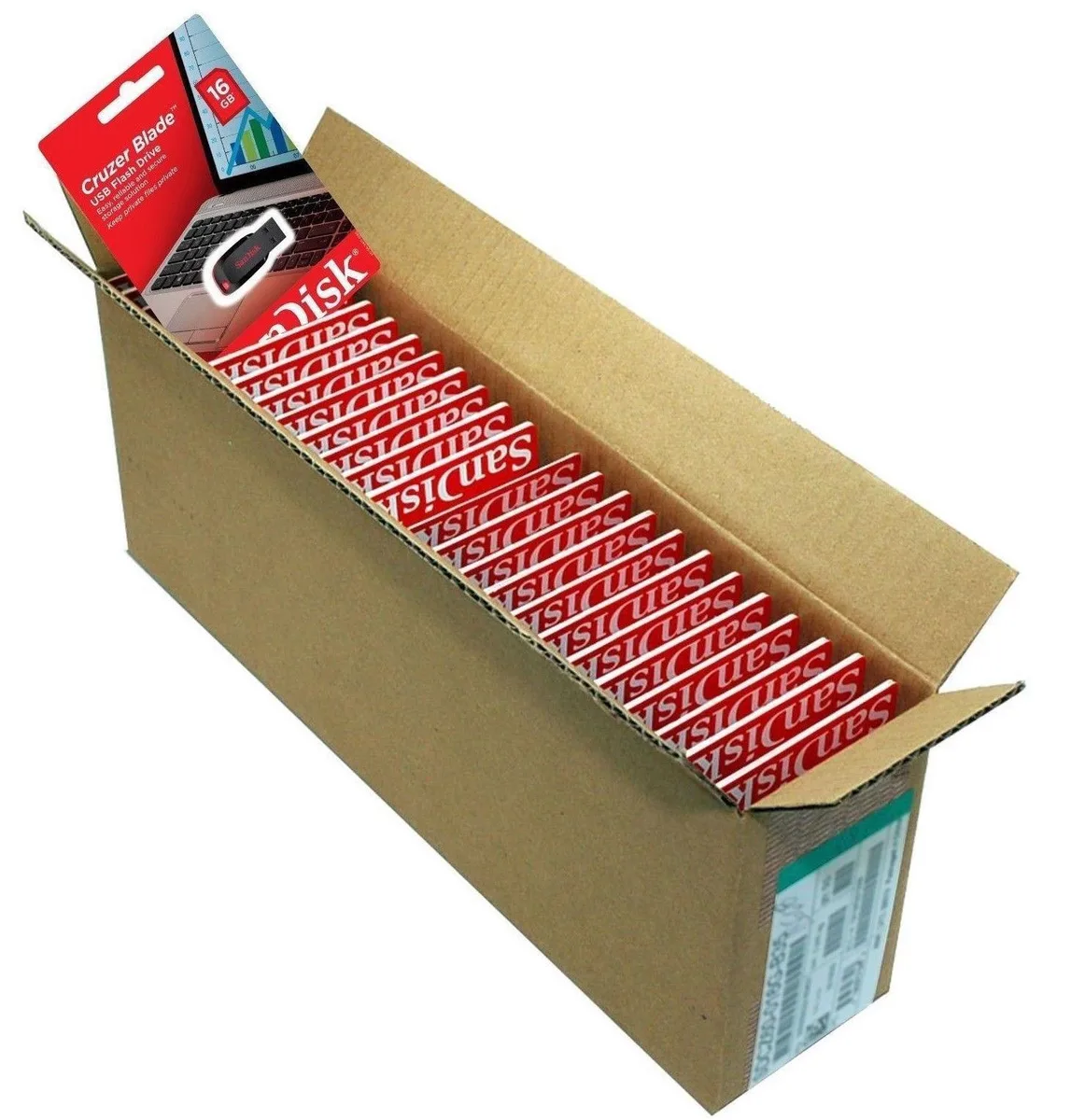
SanDisk Cruzer Blade 8 GB USB 2.0 USB flash drive Black SDCZ50-008G-B35
391,99 $
0.00500607BTC
KrājumāMēs pieņemam kriptovalūtu — lai tā, kas Jums pieder, varētu nopirkt īstu aparatūru.Maksājiet kriptovalūtā, iztērējiet to īstai aparatūrai. Bezmaksas apdrošināta piegāde visā pasaulē virs 399 $. Vienkāršas, nemarķētas kastes, sūtītas no Vācijas.Bezmaksas apdrošināta piegāde virs 399 $. Jūsu kurss tiek fiksēts uz 30 minūtēm, tiklīdz atveras kase.Kurss fiksēts uz 30 minūtēm. Katra prece ir aizzīmogota, tās sērijas numurs ir pārbaudīts, un uz to attiecas 24 mēnešu garantija.Aizzīmogots, 24 mēnešu garantija.


NuoTo
A PIC microcontroller programmer and in-circuit debugger with USB connection, supporting PIC16, PIC18, PIC24 and dsPIC series across a 1.8–5 V range
The NuoTo PICkit 3.5 is a USB-connected in-circuit debugger and flash programmer built for students and engineers working with Microchip PIC devices. It supports MPLAB X IDE on Windows and targets almost all PIC families including PIC16, PIC18, PIC24 and dsPIC series. The kit includes adapter boards to simplify wiring during development.
The debugger operates from 1.8 V up to 5 V, matching the supply range of most PIC microcontrollers. Built-in over-voltage and short-circuit monitors protect both the tool and the target board during programming sessions. If your design runs outside this window, a different programmer is required.
Connection uses a standard USB cable and the familiar 6-pin ICSP interface, so no external power supply is needed. Diagnostic LEDs show power, activity and status at a glance. The most common issue is a mismatched pin-out on custom boards — verify the ICSP header orientation before starting a debug session.
| CPU Type | Other |
|---|
It connects through a full-speed USB port and uses Windows standard drivers, so the PC running MPLAB X IDE controls debugging and programming at the target processor's maximum speed.
The USB link provides full-speed communication with the host PC; the programmer itself handles targets from 1.8 V to 5 V and supports PIC16, PIC18, PIC24 and dsPIC series.
It plugs into a USB port on the host computer and connects to the target PIC through an ICSP header, requiring only the supplied cables and a compatible pinout on the target board.
Arī šajā sadaļā
Tas pats plaukts, tā pati kase — astoņas kriptovalūtas un kursa fiksēšana uz 30 minūtēm.
Kriptovalūta, kurā maksājat, un valūta, kurā redzat cenas.
Nosūtīts no Jūsu maciņa, noformējot pasūtījumu
Tikai informatīvi — katalogā cenas norādītas ASV dolāros
Neviena valūta neatbilst.
Izvēlieties valodu, kurā vietne sarunājas ar Jums.
Neviena valoda neatbilst.
Pirmo reizi šeit?
Jau ir konts?
Automātiskas atiestatīšanas nav: šis veikals nesūta e-pastus, tāpēc nav arī vienreizējas saites, ko pieprasīt. Atstājiet adresi kontā, un tā tiks apstrādāta manuāli.
Pieprasījums saņemts
Uz Jūsu e-pastu nekas neatnāks — šis veikals vispār nesūta e-pastus. Kāds šos pieprasījumus apstrādā manuāli.
Atcerējāties?