SanDisk
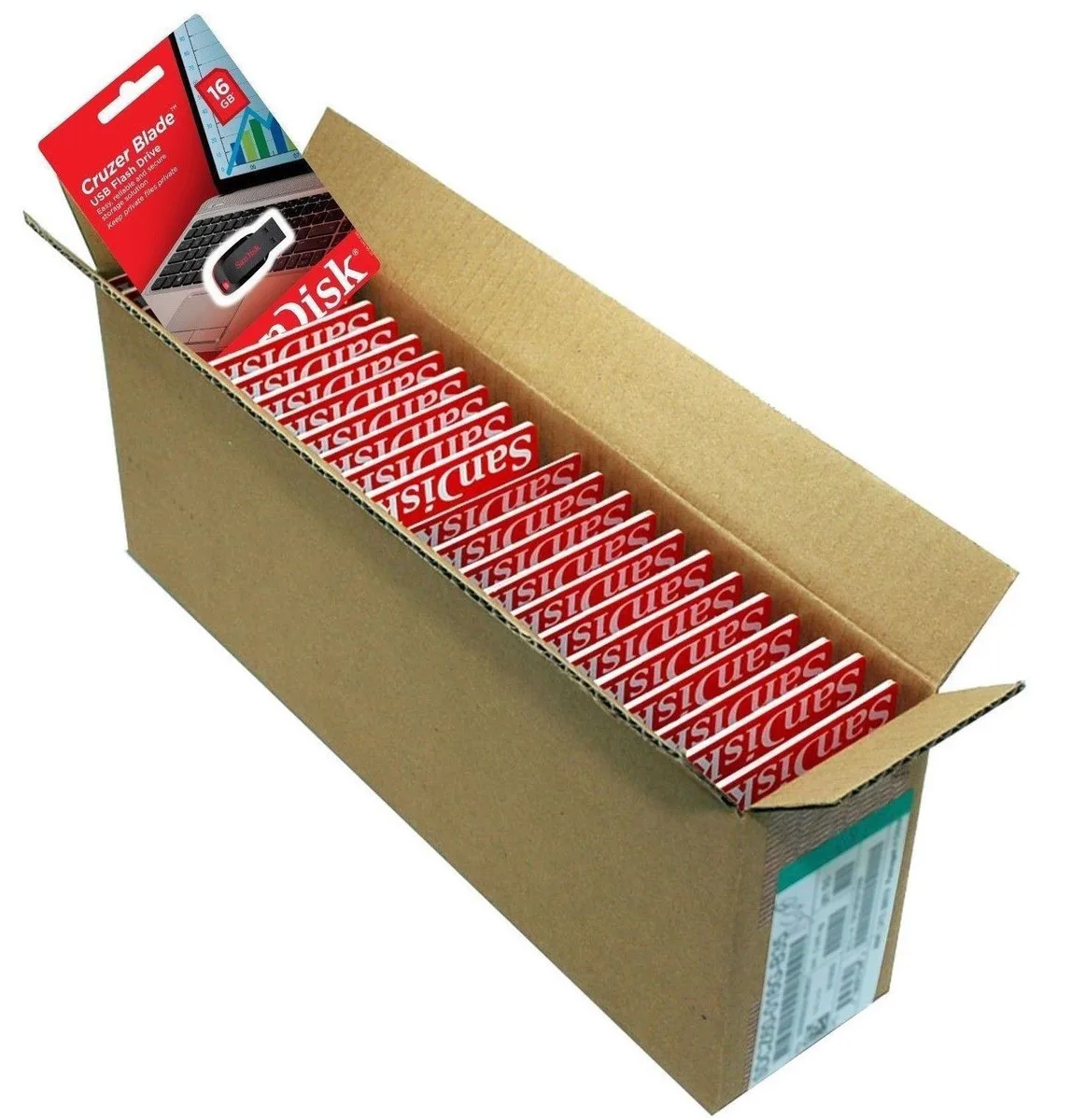
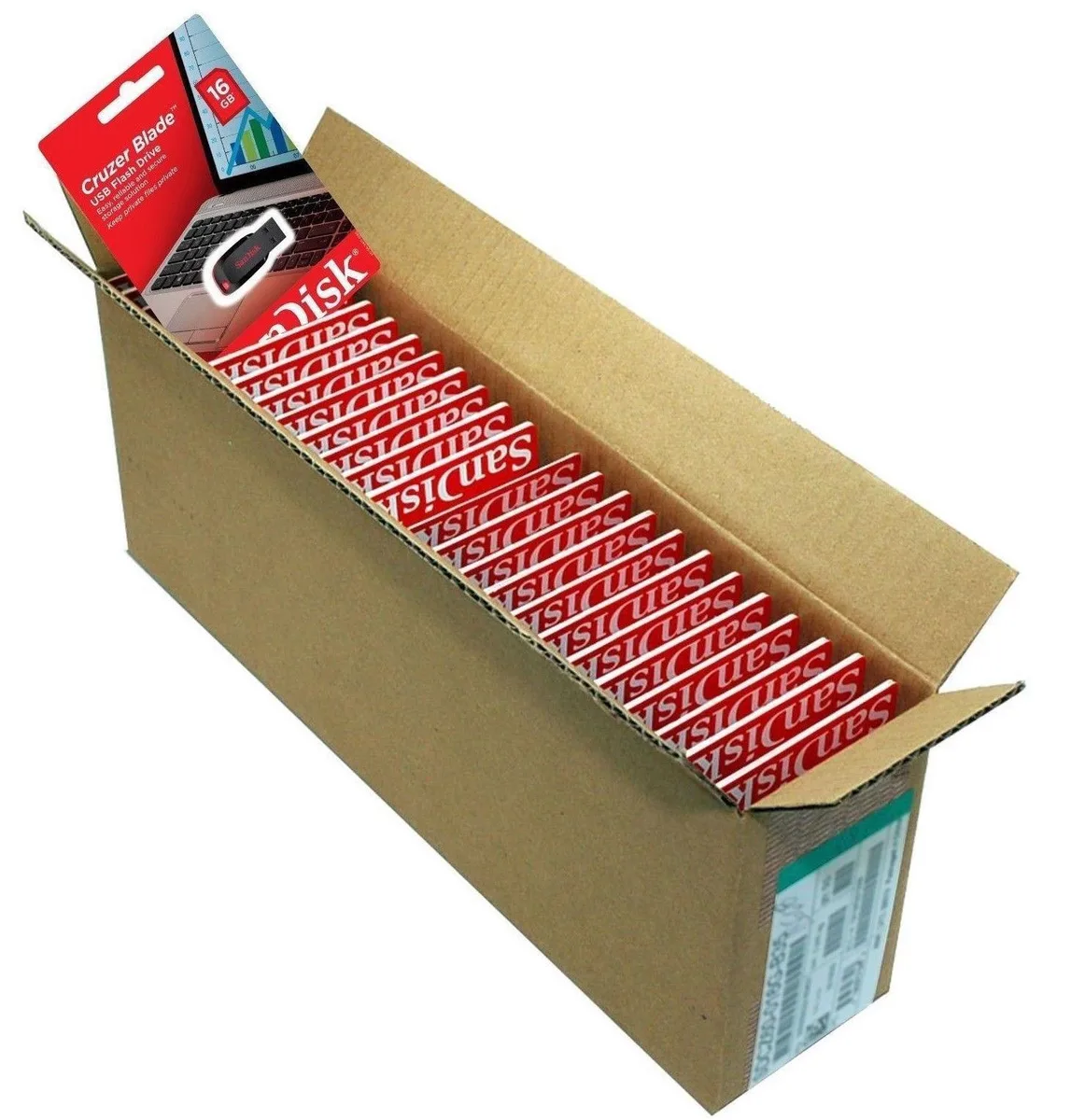
SanDisk Cruzer Blade 8 GB USB 2.0 USB flash drive Black SDCZ50-008G-B35
391,99 $
0.00501067BTC
Auf LagerWir akzeptieren Kryptowährungen — so können die Coins, die Sie besitzen, echte Hardware kaufen.Zahlen Sie mit Krypto, geben Sie sie für echte Hardware aus. Weltweit kostenloser versicherter Versand ab 399 $. Neutrale Kartons ohne Markenaufdruck, versendet aus Deutschland.Kostenloser versicherter Versand ab 399 $. Ihr Kurs wird 30 Minuten lang gesperrt, sobald die Kasse geöffnet wird.Kurs 30 Minuten gesperrt. Jeder Artikel ist versiegelt, die Seriennummer wird geprüft, und es gilt eine Garantie von 24 Monaten.Versiegelt, 24 Monate Garantie.


NuoTo
A PIC microcontroller programmer and in-circuit debugger with USB connection, supporting PIC16, PIC18, PIC24 and dsPIC series across a 1.8–5 V range
The NuoTo PICkit 3.5 is a USB-connected in-circuit debugger and flash programmer built for students and engineers working with Microchip PIC devices. It supports MPLAB X IDE on Windows and targets almost all PIC families including PIC16, PIC18, PIC24 and dsPIC series. The kit includes adapter boards to simplify wiring during development.
The debugger operates from 1.8 V up to 5 V, matching the supply range of most PIC microcontrollers. Built-in over-voltage and short-circuit monitors protect both the tool and the target board during programming sessions. If your design runs outside this window, a different programmer is required.
Connection uses a standard USB cable and the familiar 6-pin ICSP interface, so no external power supply is needed. Diagnostic LEDs show power, activity and status at a glance. The most common issue is a mismatched pin-out on custom boards — verify the ICSP header orientation before starting a debug session.
| CPU Type | Other |
|---|
It connects through a full-speed USB port and uses Windows standard drivers, so the PC running MPLAB X IDE controls debugging and programming at the target processor's maximum speed.
The USB link provides full-speed communication with the host PC; the programmer itself handles targets from 1.8 V to 5 V and supports PIC16, PIC18, PIC24 and dsPIC series.
It plugs into a USB port on the host computer and connects to the target PIC through an ICSP header, requiring only the supplied cables and a compatible pinout on the target board.
Ebenfalls in dieser Kategorie
Gleiche Abteilung, gleiche Kasse — acht Kryptowährungen und ein für 30 Minuten fixierter Kurs.
Womit Sie bezahlen und in welcher Währung Sie die Preise sehen.
Wird von Ihrem Wallet an der Kasse gesendet
Nur zur Anzeige — der Katalog ist in US-Dollar ausgezeichnet
Keine passende Währung gefunden.
Wählen Sie die Sprache, in der die Seite mit Ihnen spricht.
Keine passende Sprache gefunden.
Neu hier?
Haben Sie bereits eins?
Es gibt keine automatische Zurücksetzung: Dieser Shop versendet keine E-Mails, daher gibt es auch keinen Einmal-Link, den Sie anfordern könnten. Lassen Sie die im Konto hinterlegte Adresse stehen, sie wird von Hand bearbeitet.
Anfrage vermerkt
Es ist nichts auf dem Weg in Ihr Postfach — dieser Shop versendet grundsätzlich keine E-Mails. Jemand bearbeitet diese Anfragen von Hand.
Wieder eingefallen?