SanDisk
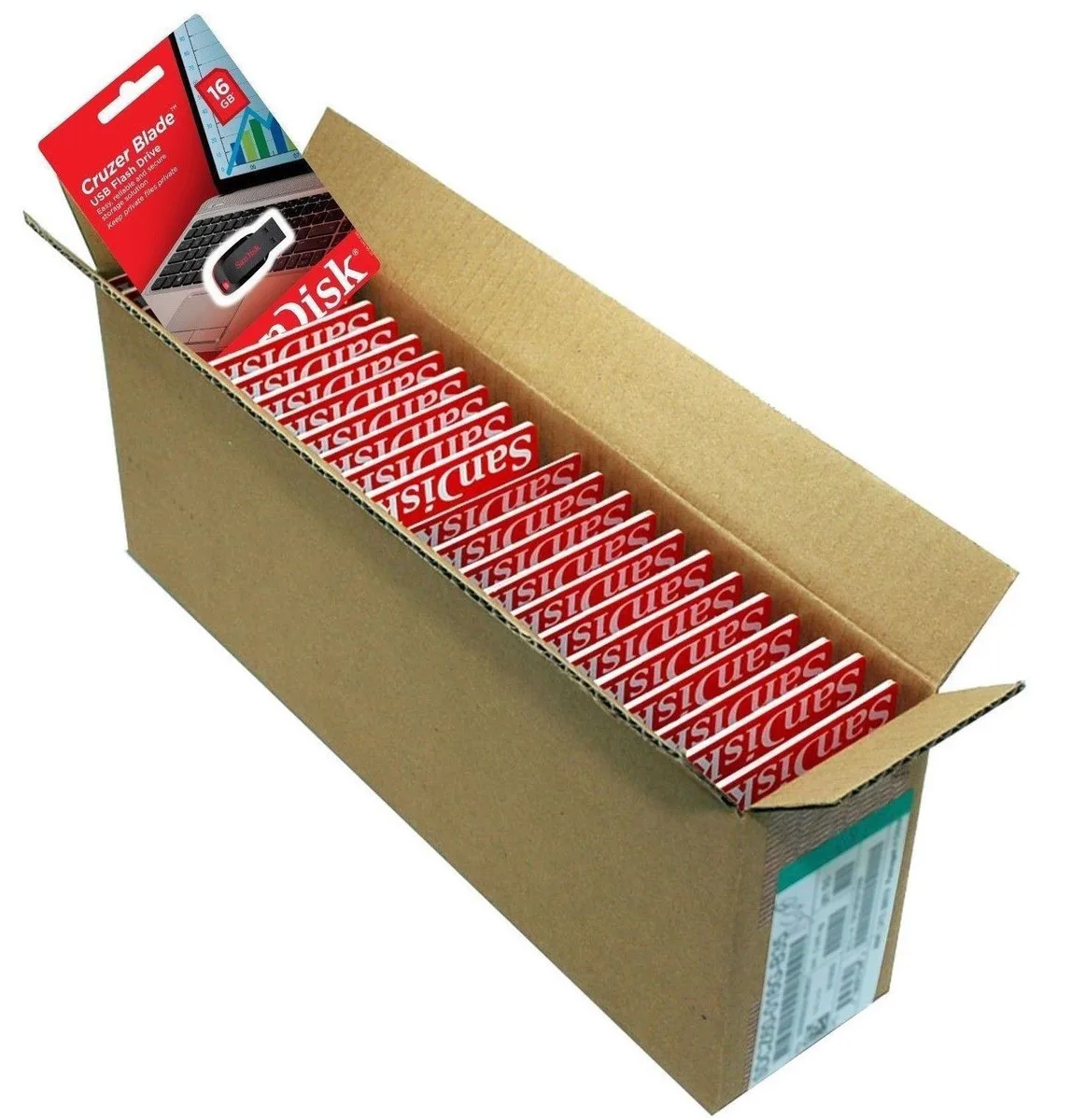
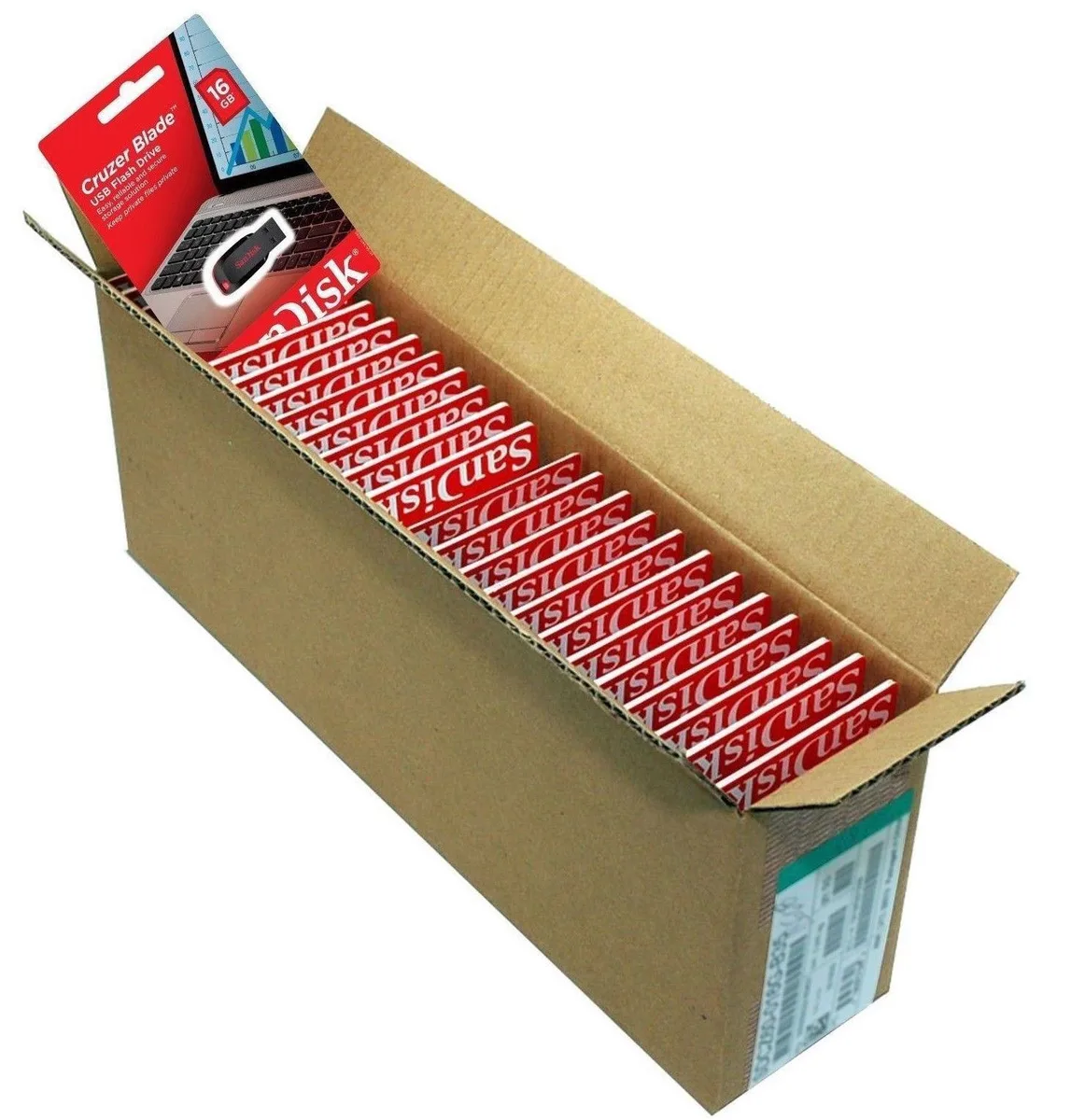
SanDisk Cruzer Blade 8 GB USB 2.0 USB flash drive Black SDCZ50-008G-B35
391,99 US$
0.00500607BTC
En stockAceptamos criptomonedas — así, las criptos que usted tiene pueden comprar hardware real.Pague en cripto y gástela en hardware real. Envío asegurado gratis a nivel mundial a partir de $399. Cajas neutras, sin marca, enviadas desde Alemania.Envío asegurado gratis a partir de $399. Su cotización queda bloqueada 30 minutos en cuanto se abre el pago.Cotización bloqueada 30 minutos. Todos los artículos vienen sellados, con el número de serie verificado y cubiertos por una garantía de 24 meses.Sellado, con 24 meses de garantía.


NuoTo
A PIC microcontroller programmer and in-circuit debugger with USB connection, supporting PIC16, PIC18, PIC24 and dsPIC series across a 1.8–5 V range
The NuoTo PICkit 3.5 is a USB-connected in-circuit debugger and flash programmer built for students and engineers working with Microchip PIC devices. It supports MPLAB X IDE on Windows and targets almost all PIC families including PIC16, PIC18, PIC24 and dsPIC series. The kit includes adapter boards to simplify wiring during development.
The debugger operates from 1.8 V up to 5 V, matching the supply range of most PIC microcontrollers. Built-in over-voltage and short-circuit monitors protect both the tool and the target board during programming sessions. If your design runs outside this window, a different programmer is required.
Connection uses a standard USB cable and the familiar 6-pin ICSP interface, so no external power supply is needed. Diagnostic LEDs show power, activity and status at a glance. The most common issue is a mismatched pin-out on custom boards — verify the ICSP header orientation before starting a debug session.
| CPU Type | Other |
|---|
It connects through a full-speed USB port and uses Windows standard drivers, so the PC running MPLAB X IDE controls debugging and programming at the target processor's maximum speed.
The USB link provides full-speed communication with the host PC; the programmer itself handles targets from 1.8 V to 5 V and supports PIC16, PIC18, PIC24 and dsPIC series.
It plugs into a USB port on the host computer and connects to the target PIC through an ICSP header, requiring only the supplied cables and a compatible pinout on the target board.
También en este pasillo
Mismo estante, mismo pago — ocho criptomonedas y un tipo de cambio fijado 30 minutos.
Lo que usted paga, y la moneda en la que lee los precios.
Se envía desde su billetera al finalizar la compra
Solo informativo — el catálogo está en dólares
Ninguna moneda coincide.
Elija el idioma en el que el sitio le habla.
Ningún idioma coincide.
¿Es nuevo aquí?
¿Ya tiene una?
No existe ningún restablecimiento automático: esta tienda no envía correos electrónicos, así que no hay ningún enlace de un solo uso que solicitar. Deje la dirección asociada a la cuenta y se atenderá de forma manual.
Solicitud registrada
No hay nada de camino a su bandeja de entrada: esta tienda no envía correos en absoluto. Alguien se encarga de esto manualmente.
¿La recordó?