SanDisk
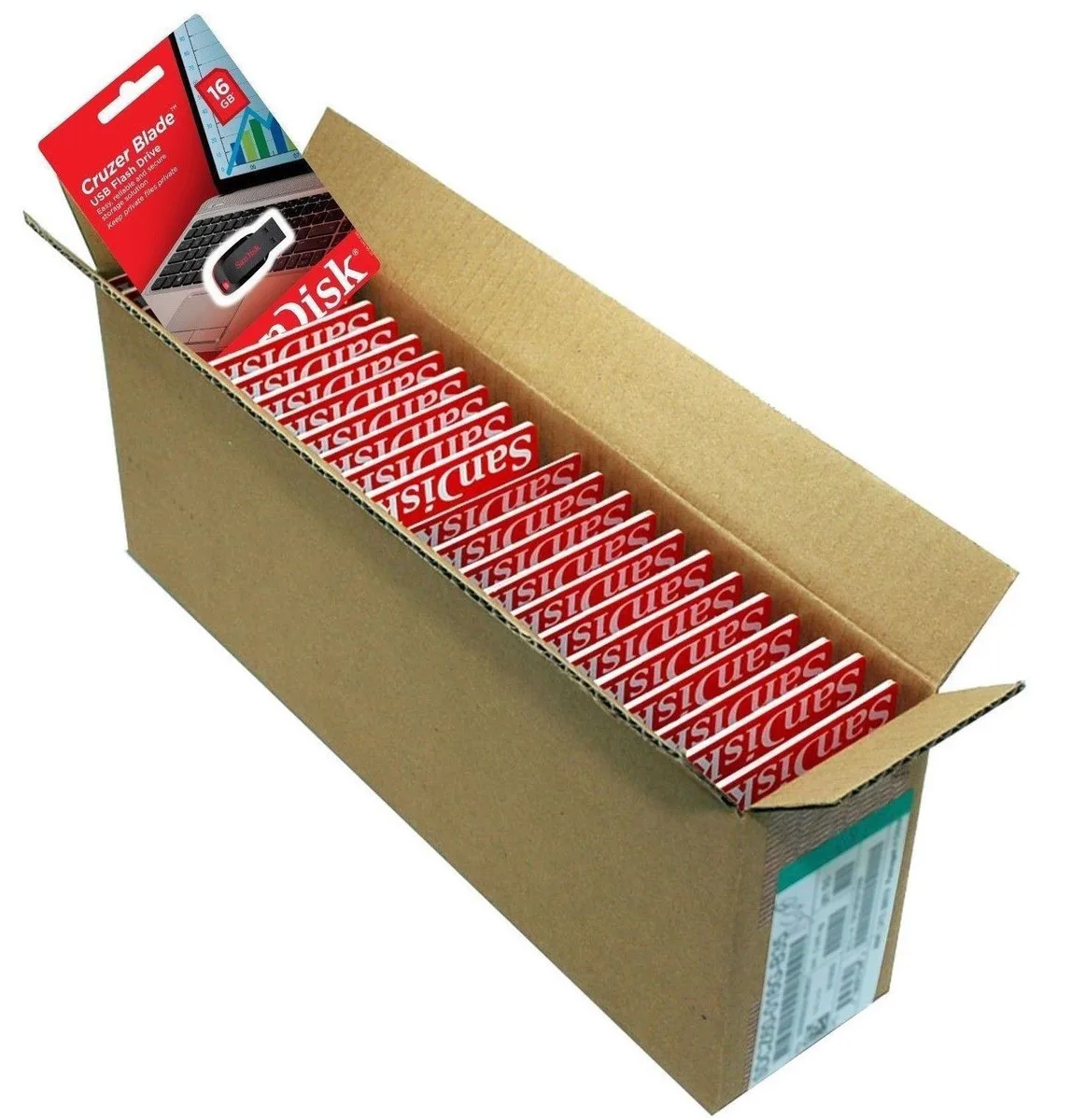
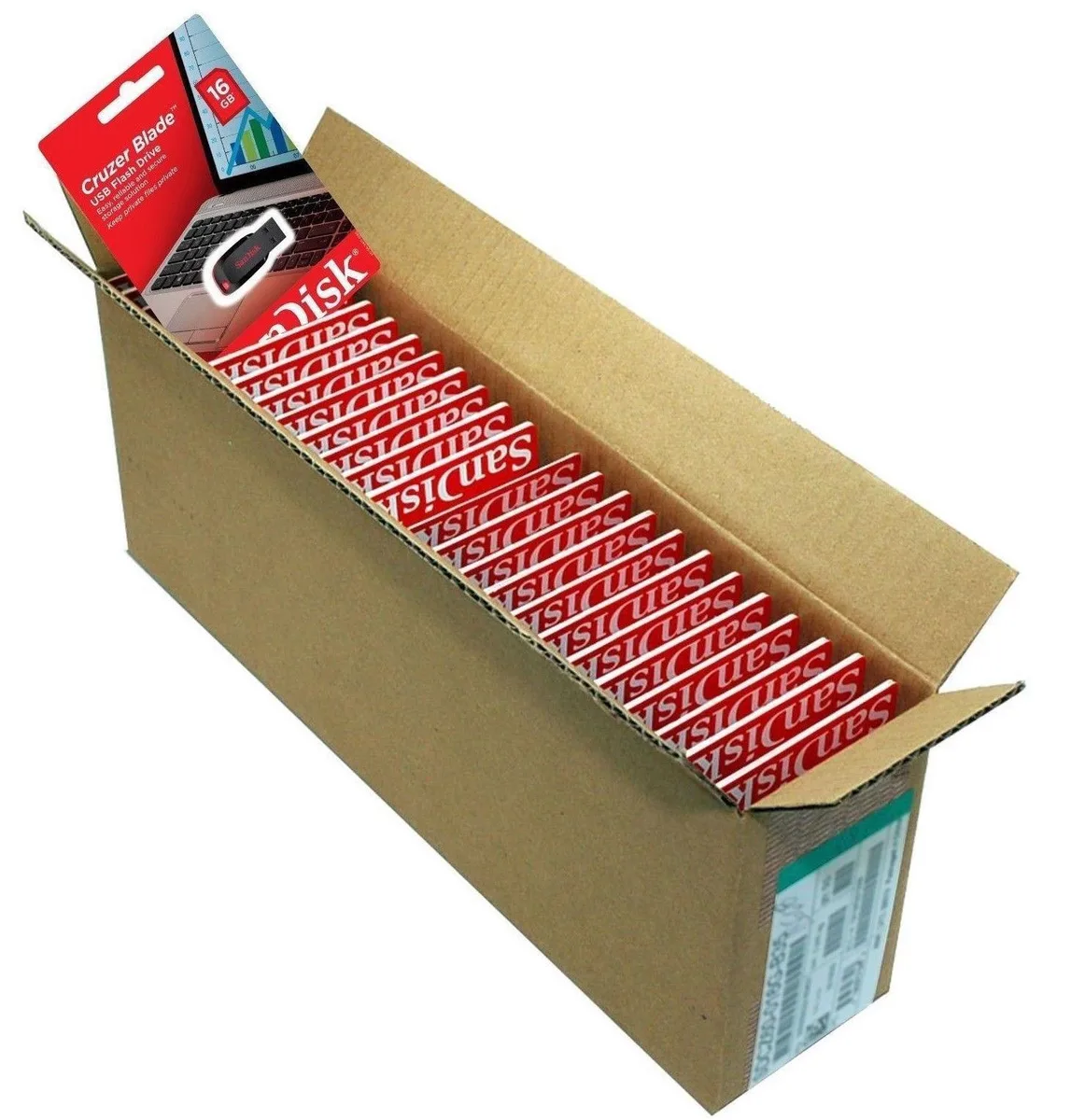
SanDisk Cruzer Blade 8 GB USB 2.0 USB flash drive Black SDCZ50-008G-B35
391,99 USD
0.00500607BTC
În stocAcceptăm criptomonede — astfel, criptomonedele pe care le dețineți pot cumpăra echipamente reale.Plătiți în cripto, cheltuiți-o pe echipamente reale. Livrare asigurată gratuită oriunde în lume peste 399 $. Cartoane neutre, fără marcă, expediate din Germania.Livrare asigurată gratuită peste 399 $. Cursul dumneavoastră este blocat timp de 30 de minute de la deschiderea paginii de plată.Curs blocat 30 de minute. Fiecare articol este sigilat, numărul de serie este verificat, iar produsul este acoperit de o garanție de 24 de luni.Sigilat, garantat 24 de luni.


NuoTo
A PIC microcontroller programmer and in-circuit debugger with USB connection, supporting PIC16, PIC18, PIC24 and dsPIC series across a 1.8–5 V range
The NuoTo PICkit 3.5 is a USB-connected in-circuit debugger and flash programmer built for students and engineers working with Microchip PIC devices. It supports MPLAB X IDE on Windows and targets almost all PIC families including PIC16, PIC18, PIC24 and dsPIC series. The kit includes adapter boards to simplify wiring during development.
The debugger operates from 1.8 V up to 5 V, matching the supply range of most PIC microcontrollers. Built-in over-voltage and short-circuit monitors protect both the tool and the target board during programming sessions. If your design runs outside this window, a different programmer is required.
Connection uses a standard USB cable and the familiar 6-pin ICSP interface, so no external power supply is needed. Diagnostic LEDs show power, activity and status at a glance. The most common issue is a mismatched pin-out on custom boards — verify the ICSP header orientation before starting a debug session.
| CPU Type | Other |
|---|
It connects through a full-speed USB port and uses Windows standard drivers, so the PC running MPLAB X IDE controls debugging and programming at the target processor's maximum speed.
The USB link provides full-speed communication with the host PC; the programmer itself handles targets from 1.8 V to 5 V and supports PIC16, PIC18, PIC24 and dsPIC series.
It plugs into a USB port on the host computer and connects to the target PIC through an ICSP header, requiring only the supplied cables and a compatible pinout on the target board.
Tot din acest raion
Același raion, aceeași finalizare a comenzii — opt monede și un curs blocat 30 de minute.
În ce monedă plătiți și în ce monedă citiți prețurile.
Trimis din portofelul dumneavoastră la finalizarea comenzii
Doar pentru afișare — catalogul este exprimat în dolari
Nicio monedă nu corespunde.
Alegeți limba în care vă vorbește site-ul.
Nicio limbă nu corespunde.
Prima vizită?
Aveți deja un cont?
Nu există o resetare automată: acest magazin nu trimite niciun e-mail, deci nu există niciun link de unică folosință de solicitat. Lăsați adresa în cont. Va fi tratată manual.
Cerere înregistrată
Nu veți primi nimic în căsuța de e-mail — acest magazin nu trimite niciun e-mail. Cineva se ocupă de asta manual.
V-ați amintit-o?