SanDisk
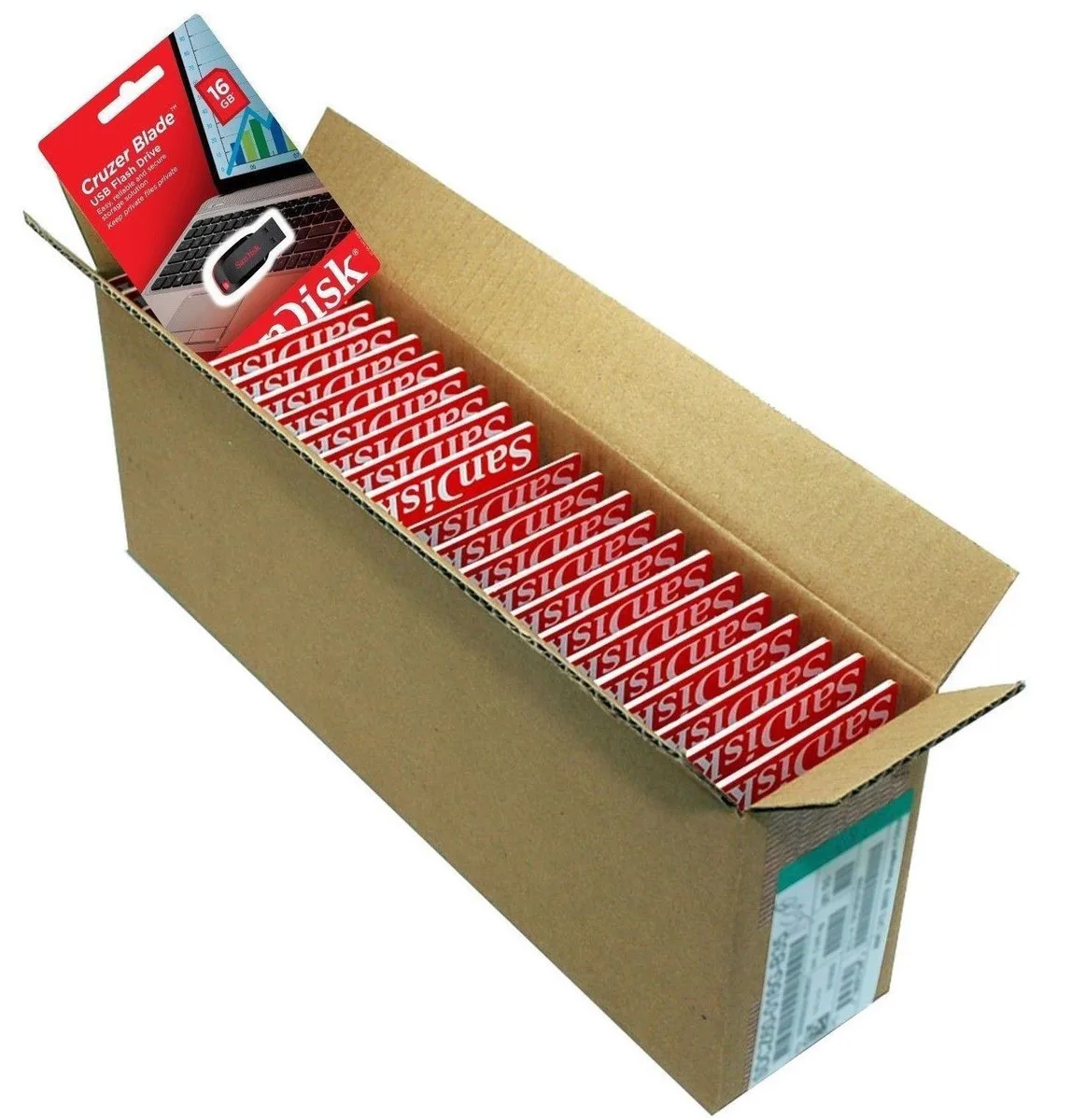
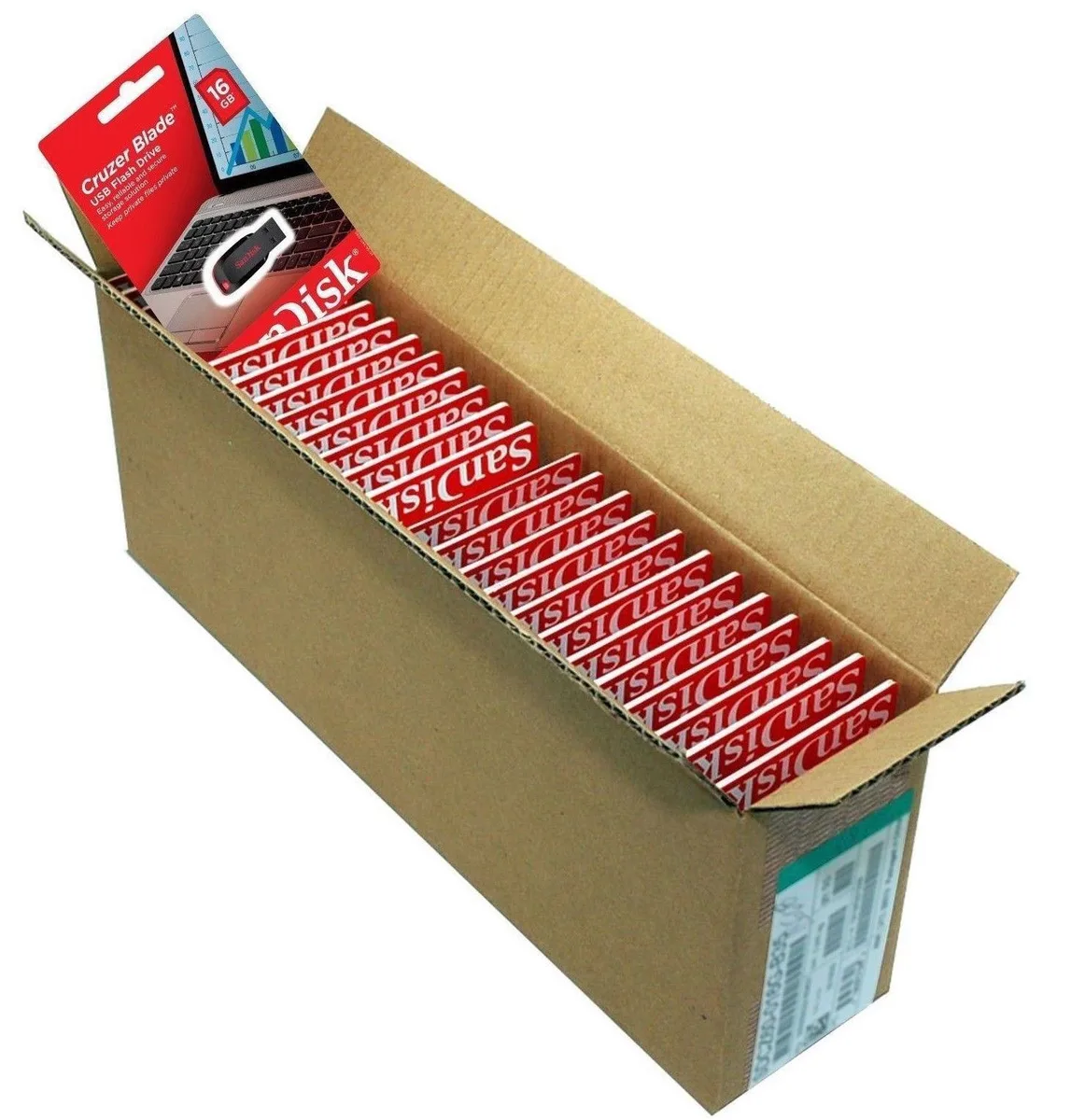
SanDisk Cruzer Blade 8 GB USB 2.0 USB flash drive Black SDCZ50-008G-B35
391,99 $US
0.00500607BTC
En stockNous acceptons la cryptomonnaie — les cryptos que vous détenez peuvent ainsi acheter du matériel réel.Payez en crypto, dépensez-la en matériel réel. Livraison assurée offerte partout dans le monde au-delà de 399 $. Cartons neutres, sans marque, expédiés depuis l’Allemagne.Livraison assurée offerte au-delà de 399 $. Votre taux est bloqué pendant 30 minutes dès l’ouverture de la caisse.Taux bloqué 30 minutes. Chaque article est scellé, son numéro de série est vérifié, et il est couvert par une garantie de 24 mois.Scellé, garanti 24 mois.


NuoTo
A PIC microcontroller programmer and in-circuit debugger with USB connection, supporting PIC16, PIC18, PIC24 and dsPIC series across a 1.8–5 V range
The NuoTo PICkit 3.5 is a USB-connected in-circuit debugger and flash programmer built for students and engineers working with Microchip PIC devices. It supports MPLAB X IDE on Windows and targets almost all PIC families including PIC16, PIC18, PIC24 and dsPIC series. The kit includes adapter boards to simplify wiring during development.
The debugger operates from 1.8 V up to 5 V, matching the supply range of most PIC microcontrollers. Built-in over-voltage and short-circuit monitors protect both the tool and the target board during programming sessions. If your design runs outside this window, a different programmer is required.
Connection uses a standard USB cable and the familiar 6-pin ICSP interface, so no external power supply is needed. Diagnostic LEDs show power, activity and status at a glance. The most common issue is a mismatched pin-out on custom boards — verify the ICSP header orientation before starting a debug session.
| CPU Type | Other |
|---|
It connects through a full-speed USB port and uses Windows standard drivers, so the PC running MPLAB X IDE controls debugging and programming at the target processor's maximum speed.
The USB link provides full-speed communication with the host PC; the programmer itself handles targets from 1.8 V to 5 V and supports PIC16, PIC18, PIC24 and dsPIC series.
It plugs into a USB port on the host computer and connects to the target PIC through an ICSP header, requiring only the supplied cables and a compatible pinout on the target board.
Également dans ce rayon
Même rayon, même caisse — huit monnaies et un taux bloqué 30 minutes.
Ce que vous envoyez, et ce dans quoi vous lisez les prix.
Envoyé depuis votre portefeuille à la caisse
Affichage seul — le catalogue est libellé en dollars
Aucune monnaie ne correspond.
Choisissez la langue dans laquelle le site vous parle.
Aucune langue ne correspond.
Première visite ?
Vous avez déjà un compte ?
Il n’y a pas de réinitialisation automatique : cette boutique n’envoie aucun e-mail, il n’existe donc aucun lien à usage unique à demander. Laissez l’adresse sur le compte, elle sera traitée à la main.
Demande enregistrée
Rien n’arrivera dans votre boîte de réception — cette boutique n’envoie aucun e-mail. Quelqu’un s’en occupe à la main.
Vous l’avez retrouvé ?