SanDisk
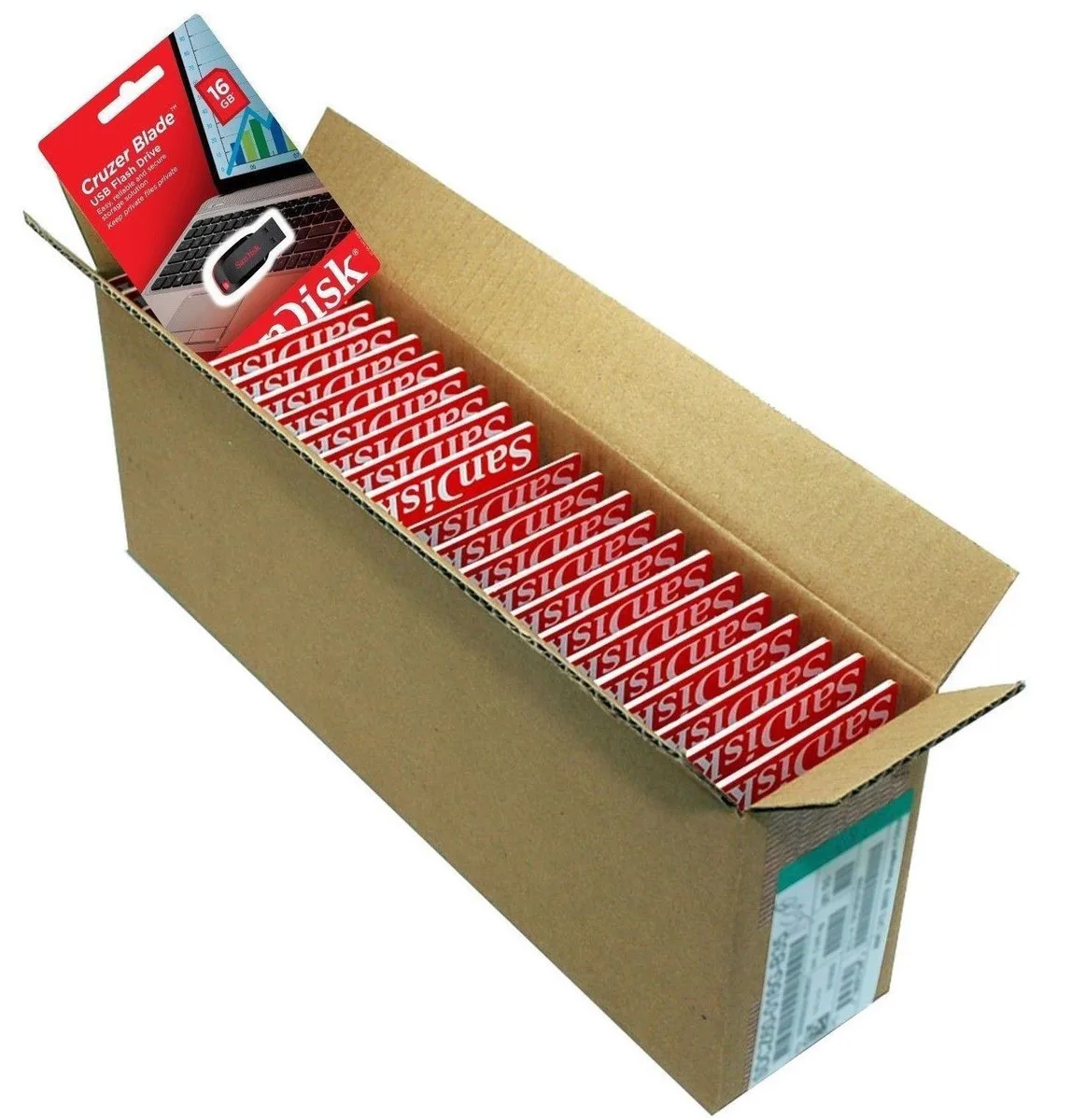
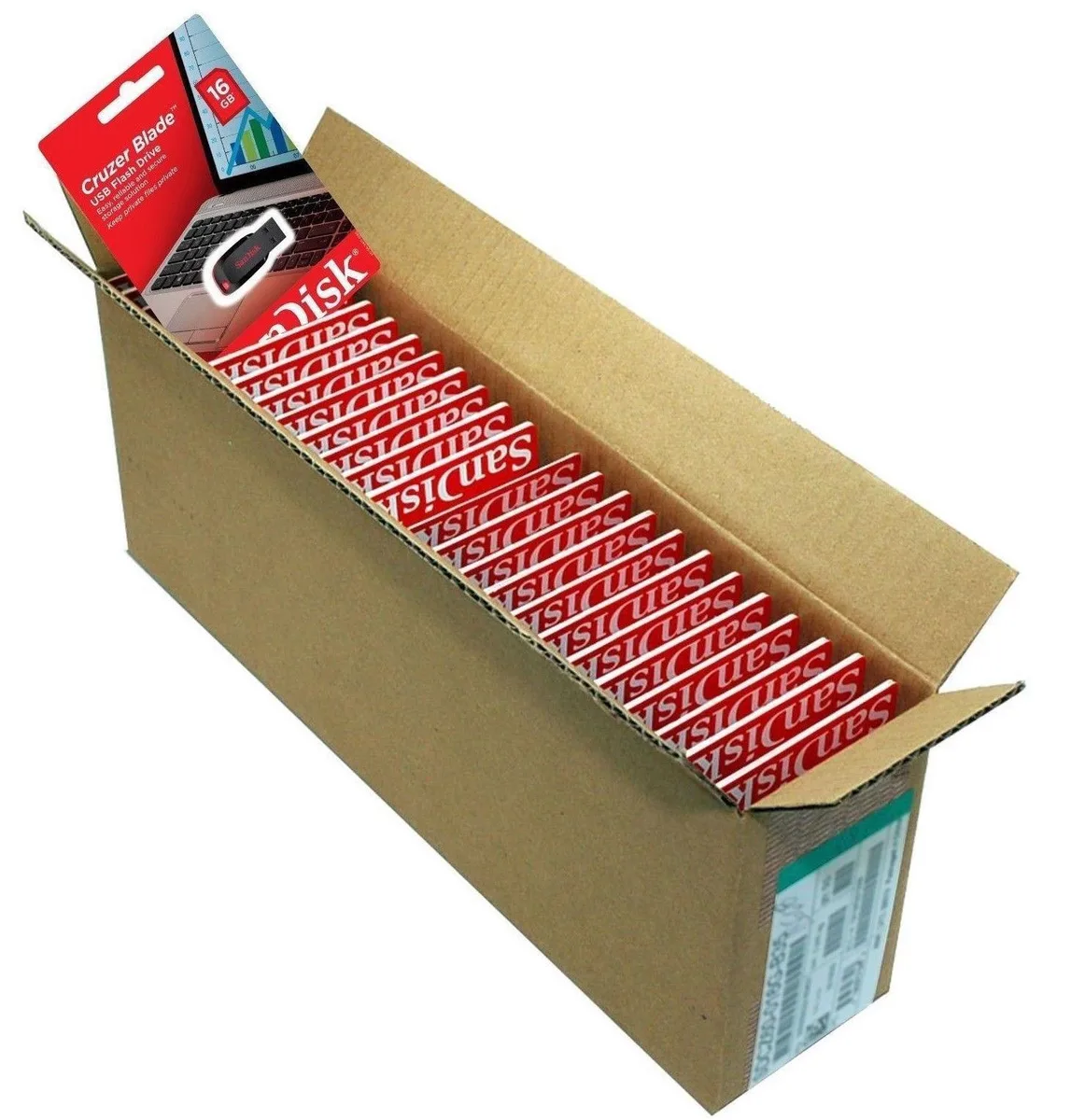
SanDisk Cruzer Blade 8 GB USB 2.0 USB flash drive Black SDCZ50-008G-B35
US$391.99
0.0050194BTC
มีสินค้าเรารับชำระด้วยคริปโต — เหรียญที่คุณถืออยู่จึงนำมาซื้อฮาร์ดแวร์ของจริงได้จ่ายด้วยคริปโต แล้วนำไปซื้อฮาร์ดแวร์ของจริง จัดส่งฟรีพร้อมประกันภัยทั่วโลก เมื่อสั่งซื้อเกิน US$399 กล่องพัสดุเรียบไม่มีตราสินค้า จัดส่งจากประเทศเยอรมนีจัดส่งฟรีพร้อมประกันภัย เมื่อสั่งซื้อเกิน US$399 อัตราแลกเปลี่ยนของคุณจะถูกล็อกไว้ 30 นาที ทันทีที่เปิดหน้าชำระเงินล็อกอัตราแลกเปลี่ยน 30 นาที สินค้าทุกชิ้นปิดผนึกจากโรงงาน ตรวจสอบหมายเลขซีเรียล และรับประกัน 24 เดือนปิดผนึกจากโรงงาน รับประกัน 24 เดือน


MSI
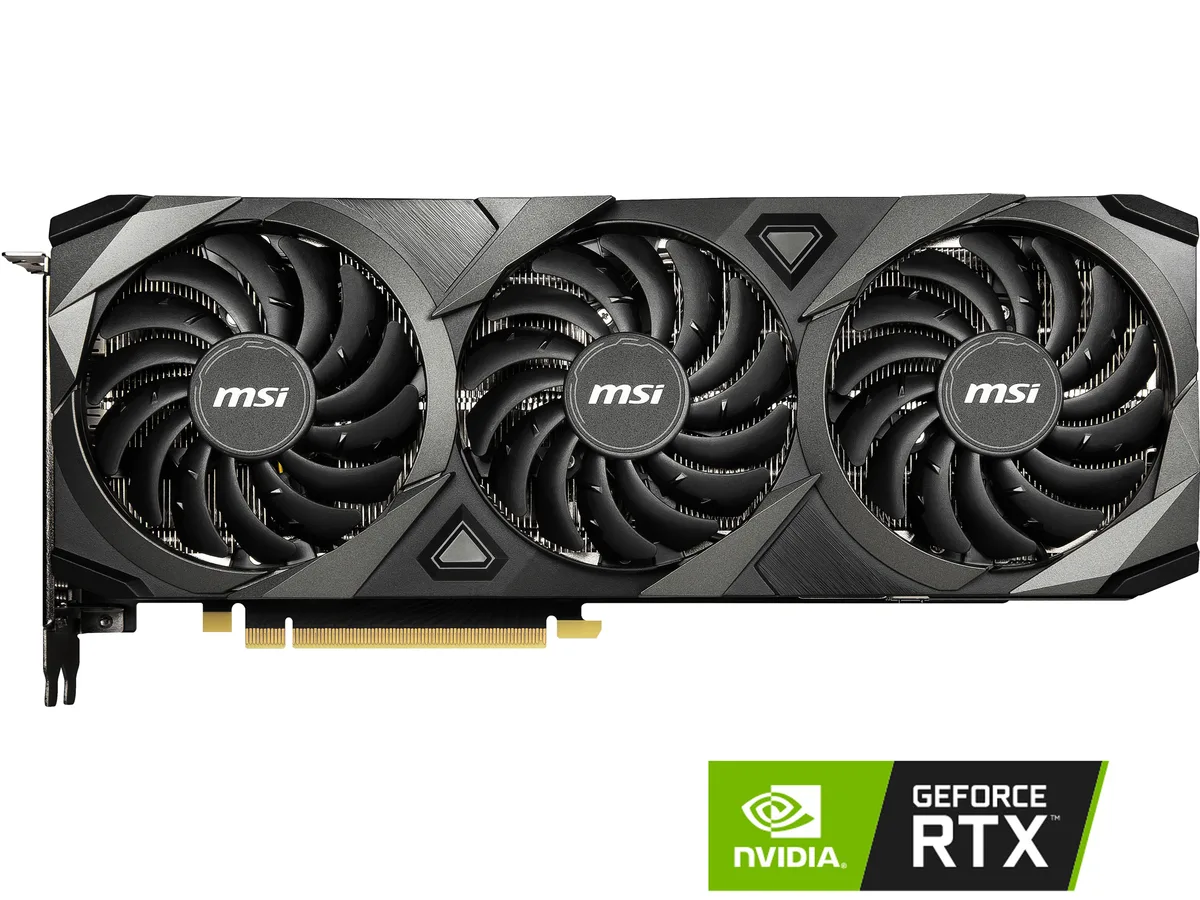
A refurbished GeForce RTX 3080 with 10GB GDDR6X memory, 8704 CUDA cores and a 1740 MHz boost clock, cooled by triple TORX Fan 3.0 units and a graphene backplate
This refurbished GeForce RTX 3080 Ventus card targets enthusiasts who want 10 GB of GDDR6X memory on a 320-bit bus. The GPU ships with a 1740 MHz boost clock and 8704 CUDA cores. It connects through a PCI Express 4.0 x16 slot and drives up to four displays via one HDMI 2.1 and three DisplayPort 1.4a outputs.
The Lite Hash Rate firmware caps Ethereum performance at roughly 43 MH/s, making this model a direct replacement for earlier non-LHR RTX 3080 cards when mining efficiency is not the goal. The jump is worth it if you need guaranteed gaming availability and the same 10 GB frame buffer for high-resolution textures.
Under continuous load the TORX Fan 3.0 array and core heat pipes move heat across the full heatsink length while a graphene backplate adds passive conduction. The board draws up to 320 W and requires a 750 W supply with two 8-pin connectors, so thermal headroom scales with case airflow rather than throttling after a short burst.
| Brand | MSI |
|---|---|
| Series | Ventus |
| Model | RTX 3080 VENTUS 3X 10G OC LHR |
| Interface | PCI Express 4.0 |
| Chipset Manufacturer | NVIDIA |
| GPU Series | NVIDIA GeForce RTX 30 Series |
| GPU | GeForce RTX 3080 |
| Boost Clock | 1740 MHz |
| CUDA Cores | 8704 |
| Effective Memory Clock | 19 Gbps |
| Memory Size | 10GB |
| Memory Interface | 320-Bit |
| Memory Type | GDDR6X |
| DirectX | DirectX 12 Ultimate |
| OpenGL | OpenGL 4.6 |
| Multi-Monitor Support | 4 |
| HDMI | 1 x HDMI 2.1 |
| DisplayPort | 3 x DisplayPort 1.4a |
| Color | Black |
| Max Resolution | 7680 x 4320 |
| Virtual Reality Ready | Yes |
| Cooler | Triple Fans |
| Thermal Design Power | 320W |
| Recommended PSU Wattage | 750W |
| Power Connector | 2 x 8-Pin |
| HDCP Ready | Yes |
| Features | Graphene Backplate: A composite Graphene backplate reinforces the graphics card while providing passive thermal conduction properties. Core Pipe: Precision-crafted heat pipes ensure max contact to the GPU and spread heat along the full length of the heatsink. Triple Fan Thermal Design: TORX Fan 3.0: The award-winning MSI TORX Fan 3.0 design creates high static pressure and pushes the limits of thermal performance. Zero Frozr: Calm before the storm, keeping fans still and maintaining silence until cooling is needed. Thermal Padding: An abundance of thermal pads use any chance for addi |
| Max GPU Length | 305 mm |
| Card Dimensions (L x H) | 12.01" x 4.72" |
| น้ำหนักในการจัดส่ง | 1.95 kg |
| ขนาดบรรจุภัณฑ์ | 406 × 229 × 89 mm |
The card uses a triple-fan thermal design with TORX Fan 3.0 and a composite graphene backplate; measure your case clearance against the full card length before ordering.
Connect two separate 8-pin PCIe cables from a 750 W or larger PSU; using a single daisy-chained cable can cause instability under load.
Re-paste every two to three years or if temperatures rise noticeably; the precision core pipes rely on good contact to spread heat across the heatsink.
อื่น ๆ ในหมวดนี้
หมวดเดียวกัน การชำระเงินแบบเดียวกัน — แปดสกุลเงินคริปโตและอัตราแลกเปลี่ยนที่ล็อกไว้ 30 นาที
สิ่งที่คุณใช้ชำระ และสิ่งที่คุณใช้อ่านราคา
ส่งจากกระเป๋าเงินของคุณเมื่อชำระเงิน
แสดงผลเท่านั้น — แคตตาล็อกสินค้าตั้งราคาเป็นดอลลาร์สหรัฐ
ไม่พบสกุลเงินที่ตรงกัน
เลือกภาษาที่ต้องการให้เว็บไซต์แสดงผล
ไม่พบภาษาที่ตรงกัน
ยังไม่เคยใช้งานใช่ไหม
มีบัญชีอยู่แล้วใช่ไหม
ไม่มีการรีเซ็ตแบบอัตโนมัติ ร้านนี้ไม่ส่งอีเมลใด ๆ จึงไม่มีลิงก์ใช้ครั้งเดียวให้ขอ ปล่อยที่อยู่อีเมลนี้ไว้ในบัญชี แล้วเจ้าหน้าที่จะดำเนินการให้ด้วยตนเอง
รับคำขอแล้ว
ไม่มีอะไรถูกส่งไปยังกล่องจดหมายของคุณ — ร้านนี้ไม่ส่งอีเมลใด ๆ เลย มีคนดำเนินการเรื่องนี้ให้ด้วยมือ
นึกออกแล้วใช่ไหม