SanDisk
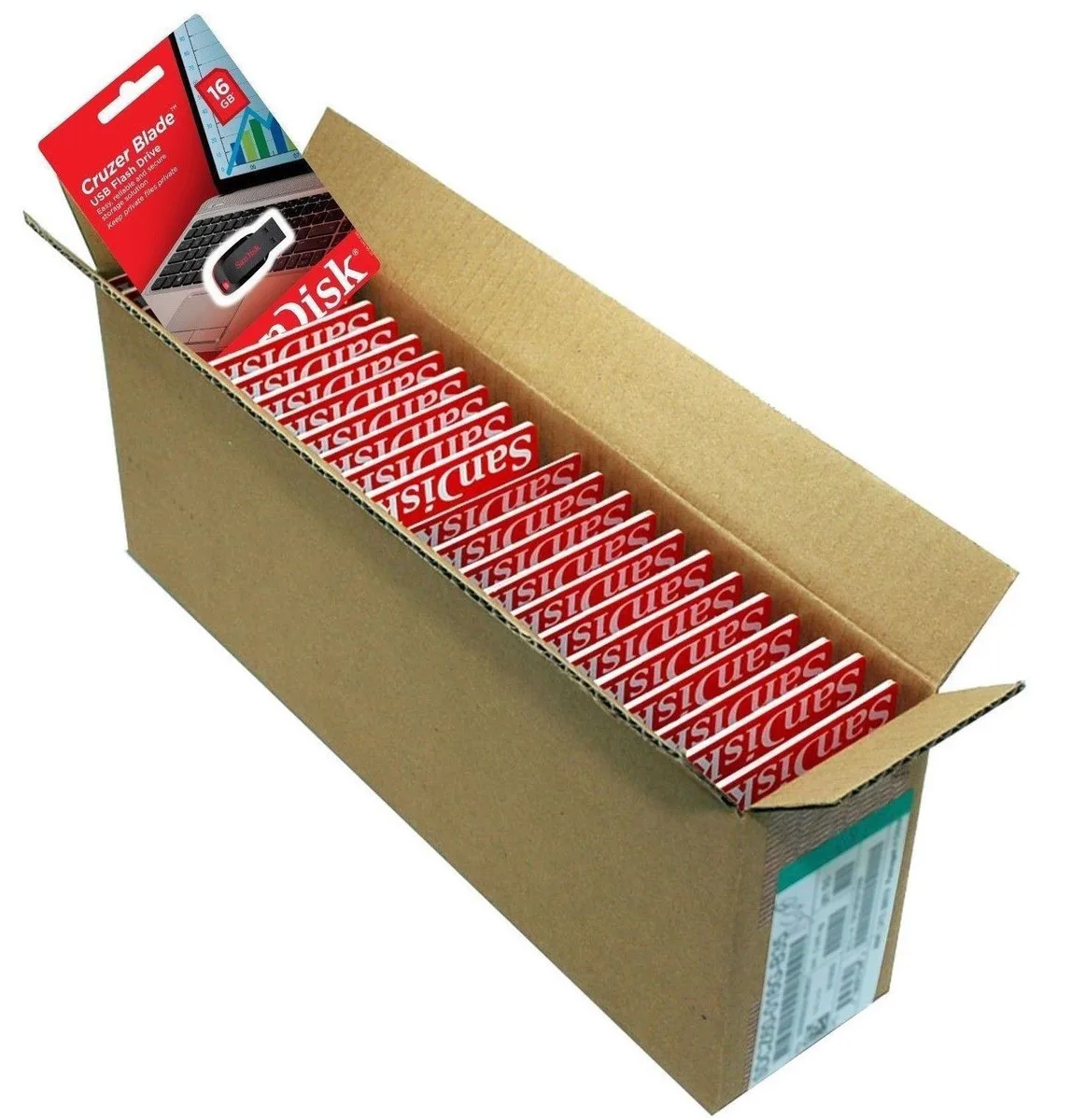
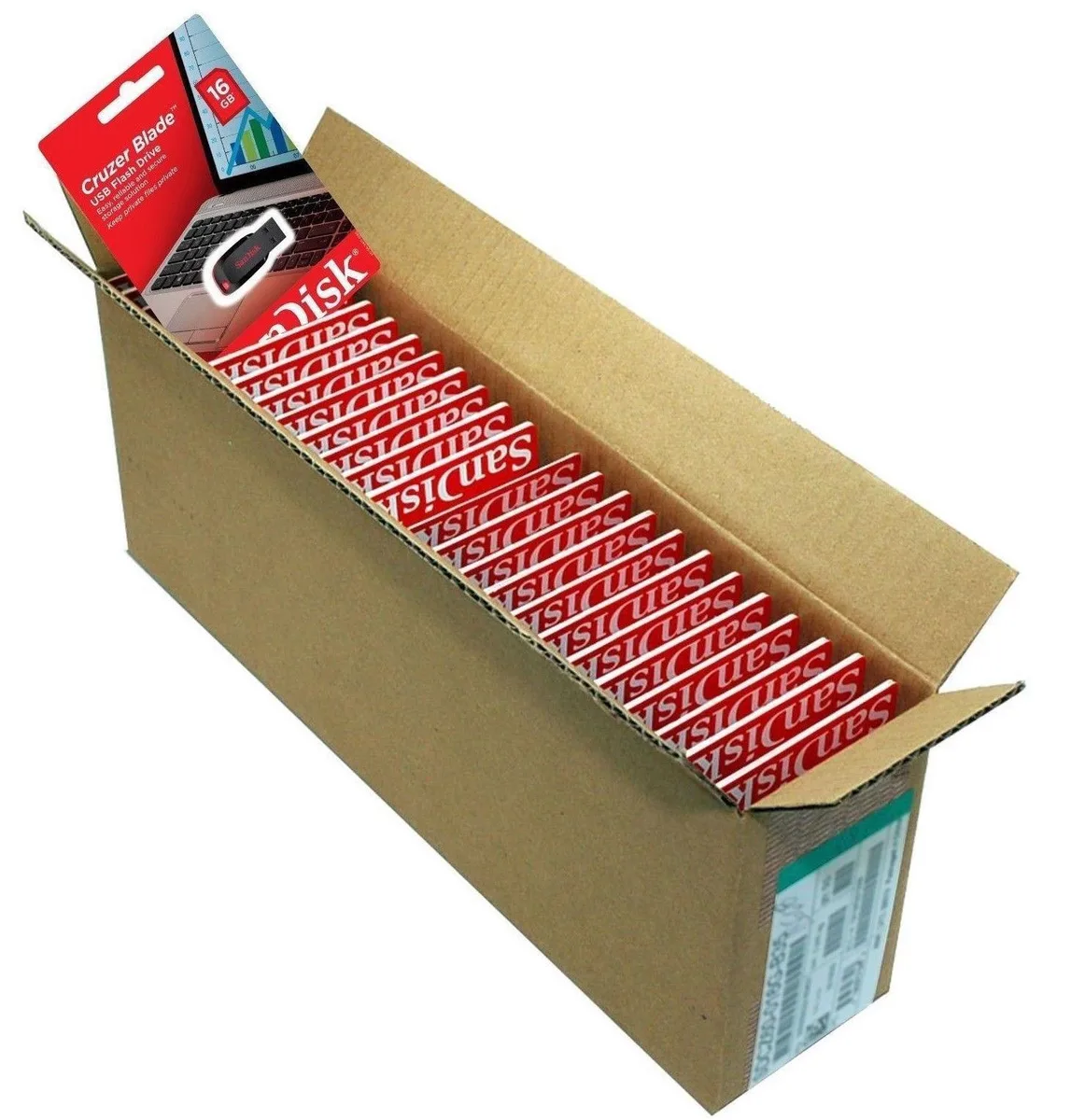
SanDisk Cruzer Blade 8 GB USB 2.0 USB flash drive Black SDCZ50-008G-B35
391,99 щ.д.
0.00501587BTC
В наличностПриемаме криптовалута — така монетите, които притежавате, могат да купят истински хардуер.Платете с крипто, похарчете го за истински хардуер. Безплатна застрахована доставка по целия свят над 399 $. Неутрални кашони без марка, изпратени от Германия.Безплатна застрахована доставка над 399 $. Курсът Ви е заключен за 30 минути веднага след отварянето на касата.Курс, заключен за 30 минути. Всеки артикул е запечатан, серийният му номер е проверен, и е покрит с 24-месечна гаранция.Запечатан, 24-месечна гаранция.


Pimoroni
A 5x5 RGB LED matrix breakout with 25 individually addressable pixels controlled via I2C at addresses 0x74 or 0x77, compatible with Raspberry Pi and Arduino
The Pimoroni PIM435 is a compact development board that carries a 5x5 grid of RGB LEDs driven by an IS31FL3731 chip. It connects through I2C at address 0x74, with a cuttable trace to shift to 0x77. The board works at 3.3 V or 5 V and includes reverse polarity protection. A Python library and examples are supplied for Raspberry Pi and Arduino.
This board suits hobbyists who want a small, addressable display for environmental readings such as temperature or pressure from compatible sensors. It plugs directly onto the bottom-left GPIO pins of any Raspberry Pi model once the included right-angle female header is soldered. Builders needing higher resolution graphics, video output, or wireless connectivity should consider other display options.
The single specification that decides fit is the selectable I2C address: the default 0x74 can be changed to 0x77 by cutting a trace on the board. This allows two matrices to share the same bus without conflict. If your project requires only one matrix or uses a different address scheme, the feature is optional but does not prevent use.
Все още няма публикувани спецификации за този артикул.
The 5x5 grid provides 25 individually addressable RGB LEDs in a 15x15mm active area with 3.5mm pitch, suitable for simple graphics, sensor readouts or scrolling text.
The IS31FL3731 driver uses I2C at 0x74 by default; cutting the onboard trace changes it to 0x77 so two matrices can share the same bus without address conflict.
Solder the supplied right-angle female header to the breakout, then press it onto the bottom-left five GPIO pins (1, 3, 5, 7, 9) for a direct, solderless Pi connection.
Още от този рафт
Същият рафт, същата каса — осем монети и заключване на курса за 30 минути.
Това, което изпращате, и това, в което четете цените.
Изпратено от Вашия портфейл при поръчката
Само за визуализация — каталогът е в долари
Никоя валута не съответства.
Изберете езика, на който сайтът да Ви говори.
Няма съвпадащ език.
Нови сте тук?
Вече имате профил?
Няма автоматично нулиране: този магазин не изпраща имейли, така че няма еднократна връзка, която да поискате. Оставете адреса в профила си и той ще бъде обработен ръчно.
Заявката е приета
Нищо няма да пристигне във Вашата пощенска кутия — този магазин изобщо не изпраща имейли. Заявките се обработват ръчно.
Спомнихте си я?